
Metabolic Health and Cancer Risk: The Hidden Connection Most People Miss

Most people think of cancer risk as something driven by genetics, bad luck, or environmental exposure.

But from a longevity perspective, cancer risk is also deeply shaped by something far more common — and far more modifiable:

Metabolic health.

At Torre Prime, we see the same pattern repeatedly:
people whose labs are labeled “normal,” yet whose metabolic terrain quietly increases cancer risk for years or decades before a diagnosis ever appears.

This article explains why metabolic health matters for cancer, what actually drives risk beneath the surface, and how a longevity-focused approach changes the conversation.

Most people think of cancer risk as something driven by genetics, bad luck, or environmental exposure.

But from a longevity perspective, cancer risk is also deeply shaped by something far more common — and far more modifiable:

Metabolic health.

At Torre Prime, we see the same pattern repeatedly:
people whose labs are labeled “normal,” yet whose metabolic terrain quietly increases cancer risk for years or decades before a diagnosis ever appears.

This article explains why metabolic health matters for cancer, what actually drives risk beneath the surface, and how a longevity-focused approach changes the conversation.

Cancer Is Not Just a Genetic Event — It’s a Metabolic Environment

Cancer cells don’t arise in isolation.

They emerge — and thrive — in specific biological conditions:

  • Chronic inflammation

  • Excess circulating glucose and insulin

  • Mitochondrial dysfunction

  • Hormonal dysregulation

  • Impaired immune surveillance

These conditions are hallmarks of poor metabolic health, even in people who are not overweight and who appear “healthy” on routine screening.

In other words:

Genes may load the gun, but metabolism often pulls the trigger.

Insulin Resistance: A Growth Signal Cancer Loves

One of the strongest links between metabolic dysfunction and cancer is insulin resistance.

When insulin levels remain chronically elevated:

  • Insulin acts as a growth factor, stimulating cell proliferation

  • IGF-1 signaling increases, promoting tumor growth and survival

  • Apoptosis (programmed cell death) is suppressed

  • DNA repair mechanisms become less effective

This creates an environment where abnormal cells are more likely to survive — and expand.

Importantly, this can happen years before blood sugar becomes abnormal.

You don’t need diabetes to be metabolically unhealthy.

Visceral Fat Is Not Passive Storage — It’s an Endocrine Organ

Visceral fat — the fat stored around organs — is biologically active.

It releases:

  • Pro-inflammatory cytokines

  • Estrogen (in both men and women)

  • Free fatty acids that impair insulin sensitivity

This contributes to increased risk of multiple cancers, including:

  • Breast

  • Colon

  • Prostate

  • Pancreatic

  • Liver

Waist circumference and body composition often tell us more about cancer risk than BMI ever will.

Chronic Inflammation: The Silent Accelerator

Inflammation is a necessary immune process — but when it becomes chronic, it becomes dangerous.

Low-grade inflammation:

  • Increases oxidative stress

  • Damages DNA

  • Alters the tumor microenvironment

  • Impairs immune detection of abnormal cells

Many people live for decades with inflammatory markers that are technically “within range” but far from optimal.

Longevity medicine looks at patterns and trajectories, not just cutoffs.

Mitochondria, Energy, and Cancer Biology

Healthy cells rely on efficient mitochondrial function to regulate growth, repair, and apoptosis.

Metabolic dysfunction disrupts this system:

  • Energy production becomes inefficient

  • Cells shift toward glycolytic metabolism

  • Reactive oxygen species increase

  • Cellular signaling becomes distorted

This metabolic shift is a recognized feature of cancer biology — long before a tumor is detectable.

Why “Normal” Labs Miss the Risk

Traditional medicine often focuses on late markers:

  • Fasting glucose

  • Hemoglobin A1c

  • Total cholesterol

From a longevity perspective, these are rear-view indicators.

We look earlier:

  • Insulin trends

  • Triglyceride-to-HDL ratio

  • Waist circumference

  • Body composition

  • Inflammatory markers

  • Lipoprotein quality (not just quantity)

Cancer risk accumulates quietly, long before disease appears.

The Longevity Approach to Cancer Risk Reduction

This is not about fear — it’s about agency.

At Torre Prime, cancer prevention is not a single test or supplement. It’s a metabolic strategy, integrated across pillars:

  • The Sentinel: Risk mapping across metabolic, cardiovascular, and cancer domains

  • The Forge: Improving insulin sensitivity, mitochondrial function, and metabolic flexibility

  • The Temple: Strength training and VO₂ max to improve glucose disposal and immune health

  • The Compass: Turning data into daily action

  • The Summit: Advanced screening and long-range planning

When metabolic health improves, the internal environment becomes less permissive to cancer.

The Bottom Line

Cancer risk is not only about what happens to your DNA.

It’s about the biological terrain your cells live in every day.

Metabolic health shapes that terrain — silently, powerfully, and over time.

Longevity medicine doesn’t wait for disease.
It reduces risk decades earlier — when change still matters.

Want to Understand Your Personal Risk?

Torre Prime specializes in early risk mapping and metabolic optimization, long before disease appears.

If you’re ready to move beyond “normal labs” and toward intentional longevity, we’re here.

Read More

How Does My Device Measure Stress — And What Does It Really Mean?

How Does My Device Measure Stress — And What Does It Really Mean?

Why your Apple Watch, Oura Ring, WHOOP, Garmin, Samsung Galaxy Watch, or Fitbit may say you’re “stressed” — even when you don’t feel it.

Most people think stress is something you feel: anxiety, tension, overwhelm.

Your wearable thinks stress is something your nervous system is doing.

At Torre Prime, we teach clients to understand this distinction — because it’s the key to using wearables correctly instead of being confused or alarmed by them.

Why your Apple Watch, Oura Ring, WHOOP, Garmin, Samsung Galaxy Watch, or Fitbit may say you’re “stressed” — even when you don’t feel it.

Most people think stress is something you feel: anxiety, tension, overwhelm.

Your wearable thinks stress is something your nervous system is doing.

At Torre Prime, we teach clients to understand this distinction — because it’s the key to using wearables correctly instead of being confused or alarmed by them.

First: What “Stress” Actually Means in Wearables

Important: Your device is not measuring emotions.

It is estimating physiological stress, based on signals like:

  • Heart Rate Variability (HRV)

  • Resting heart rate

  • Breathing rate

  • Skin temperature

  • Activity and recovery patterns

  • Sleep quality

From a longevity perspective, this matters because chronic physiological stress accelerates aging, even when life feels “fine.”

The Core Metric Behind Almost All Stress Scores: HRV

Heart Rate Variability reflects how well your autonomic nervous system adapts.

  • Higher HRV → flexible, resilient nervous system

  • Lower HRV → sympathetic (fight-or-flight) dominance

Low HRV does not mean something is wrong — but persistent downward trends are an early warning sign we take seriously in longevity medicine.

How Each Major Device Measures Stress (And What It’s Best For)

Apple Watch

How it measures stress

  • HRV (intermittent)

  • Resting heart rate

  • Breathing rate

  • Activity load

  • Optional ECG events

What it does well

  • Detects cardiovascular strain

  • Flags abnormal heart rhythm patterns

  • Integrates stress with movement and sleep

Limitations

  • HRV measured sporadically

  • No single “stress score”

  • Requires interpretation

Torre Prime perspective:
Apple Watch is best for Sentinel-level awareness — identifying early cardiovascular and nervous system signals that warrant deeper evaluation.

Samsung Galaxy Watch

How it measures stress

  • Continuous heart rate

  • HRV-derived stress index

  • Breathing rate

  • Sleep patterns

What it does well

  • Real-time stress visualization

  • Guided breathing interventions

  • Android-friendly ecosystem

Limitations

  • Stress algorithms less transparent

  • Less validated medical data

Torre Prime perspective:
Useful for behavioral awareness, especially for clients who benefit from real-time prompts to downshift.

Ōura Ring

How it measures stress

  • Continuous overnight HRV

  • Resting heart rate

  • Body temperature deviation

  • Sleep architecture

What it does well

  • Best-in-class sleep-based stress insight

  • Detects early illness, overtraining, burnout

  • Clean trend visualization

Limitations

  • No daytime display

  • Subscription required

Torre Prime perspective:
Oura is our Lighthouse pillar favorite — ideal for understanding how stress is affecting recovery, immunity, and sleep quality over time.

WHOOP

How it measures stress

  • Continuous HRV

  • Resting heart rate

  • Respiratory rate

  • Strain vs recovery modeling

What it does well

  • Excellent nervous system modeling

  • Clear recovery readiness signals

  • No screen = fewer compulsive checks

Limitations

  • Subscription-only

  • No ECG or medical alerts

Torre Prime perspective:
WHOOP excels in Forge-phase metabolic and autonomic resilience, especially for clients training hard or recovering from burnout.

Garmin

How it measures stress

  • Continuous HRV

  • Activity-adjusted stress score

  • “Body Battery” energy modeling

  • Training load integration

What it does well

  • Links stress to physical performance

  • Excellent VO₂ max and endurance insights

  • Long battery life

Limitations

  • Interface can feel data-heavy

  • Less emotional framing

Torre Prime perspective:
Garmin is ideal for Temple-phase performance optimization, where stress is understood through physical output and recovery capacity.

Fitbit

How it measures stress

  • HRV

  • Resting heart rate

  • Sleep quality

  • Daily Stress Management Score

What it does well

  • Simple stress summaries

  • Accessible pricing

  • Easy onboarding

Limitations

  • Less granular data

  • Fewer advanced physiological insights

Torre Prime perspective:
Fitbit works well for early-stage awareness, especially for clients new to physiological self-monitoring.

What Your Device Is Not Telling You

Your wearable cannot tell:

  • Why you’re stressed

  • Whether stress is emotional, metabolic, inflammatory, or hormonal

  • If stress is adaptive or damaging

That’s where clinical context matters.

At Torre Prime, we correlate wearable data with:

  • Labs (glucose, inflammation, hormones)

  • Sleep architecture

  • Nutrition and training load

  • Life stressors and recovery capacity

How to Use Stress Data the Right Way

Think trends, not moments.

Red flags we watch for:

  • HRV steadily declining over weeks

  • Elevated resting heart rate without illness

  • Poor recovery despite “doing everything right”

  • Sleep fragmentation with daytime fatigue

These are often early warning signs — long before disease appears.

The Longevity Takeaway

Stress scores aren’t judgments.
They’re early signals.

Your device is asking:

“Is your nervous system adapting — or just enduring?”

Understanding that question is one of the most powerful tools in modern longevity medicine.

Read More

Why Your Bloodwork Might Be “Normal” — But You Still Feel Off

Why Your Bloodwork Might Be “Normal” — But You Still Feel Off

Most people are told the same thing after routine lab work:

“Everything looks normal.”

And yet they still feel off.

Low energy. Brain fog. Poor sleep. Weight that won’t budge. Mood changes. Diminished libido. Slower recovery. A vague sense that something isn’t right — even though nothing is “wrong enough” to diagnose.

At Torre Prime, we see this every week.

The problem isn’t that you’re imagining symptoms.
The problem is that “normal” bloodwork was never designed to optimize human performance or longevity.

It was designed to detect late-stage disease.

Most people are told the same thing after routine lab work:

“Everything looks normal.”

And yet they still feel off.

Low energy. Brain fog. Poor sleep. Weight that won’t budge. Mood changes. Diminished libido. Slower recovery. A vague sense that something isn’t right — even though nothing is “wrong enough” to diagnose.

At Torre Prime, we see this every week.

The problem isn’t that you’re imagining symptoms.
The problem is that “normal” bloodwork was never designed to optimize human performance or longevity.

It was designed to detect late-stage disease.

“Normal” Is a Statistical Concept — Not a Health Goal

Most lab reference ranges are created by sampling the general population.

That population includes:

  • Sedentary individuals

  • Insulin resistance

  • Poor sleep

  • Chronic inflammation

  • Early cardiometabolic disease

So when your results come back “within range,” what that really means is:

You’re statistically similar to the average person — not biologically optimized.

Longevity medicine asks a different question:

Are your labs supporting long-term cardiovascular health, brain health, metabolic resilience, and vitality — or quietly eroding them?

The Gap Between Disease Detection and Longevity Optimization

Traditional medicine focuses on thresholds:

  • Diabetes vs. no diabetes

  • Heart disease vs. no heart disease

  • Kidney failure vs. normal kidneys

Longevity medicine focuses on trajectories:

  • Where is your metabolism heading?

  • How much vascular damage is accumulating quietly?

  • Are your mitochondria efficient or stressed?

  • Are your labs drifting toward disease — years before symptoms appear?

This is where people feel “off” long before anything flags red.

ApoB: The Number Most Panels Don’t Emphasize (But Should)

One of the biggest blind spots in standard bloodwork is Apolipoprotein B (apoB).

ApoB represents the number of atherogenic particles circulating in your bloodstream — the particles that actually enter artery walls and drive plaque formation.

Why apoB matters more than LDL cholesterol

  • LDL-C measures cholesterol content

  • ApoB measures particle count

  • More particles = more opportunities for arterial damage

You can have:

  • “Normal” LDL

  • “Normal” total cholesterol

  • Elevated apoB and rising cardiovascular risk

From a longevity perspective, apoB is one of the strongest modifiable predictors of heart disease, which remains the leading cause of death worldwide.

At Torre Prime, we don’t ask:

“Is this lab technically normal?”

We ask:

“Is this lab aligned with decades of vascular health?”

Sugar Metabolism: You Can Be “Normal” and Still Insulin Resistant

Fasting glucose and A1c often appear normal — even as metabolic dysfunction is developing underneath.

This happens because:

  • Your pancreas can compensate for years

  • Insulin levels rise before glucose does

  • Blood sugar stays “normal” at the cost of metabolic strain

Early insulin resistance contributes to:

  • Fatigue

  • Brain fog

  • Inflammation

  • Weight gain

  • Hormonal disruption

  • Cardiovascular risk

From a longevity lens, we care deeply about:

  • Insulin sensitivity

  • Metabolic flexibility

  • How efficiently your cells use fuel

Because poor sugar handling ages every organ system simultaneously.

Cholesterol Metabolism Is More Than “Good” and “Bad”

The outdated HDL/LDL framing misses critical nuance.

Longevity medicine looks at:

  • Particle number and size

  • ApoB burden

  • Triglyceride dynamics

  • Insulin-cholesterol interaction

  • Inflammation and oxidative stress

Why?

Because cholesterol transport is tightly linked to:

  • Liver health

  • Muscle insulin sensitivity

  • Mitochondrial energy production

  • Hormone synthesis

When metabolism is stressed, cholesterol becomes a signal of dysfunction, not just a cardiovascular metric.

Why You Feel Off Before Labs Turn Red

Symptoms often precede diagnoses by years or decades.

You might feel:

  • Tired despite “normal” labs

  • Mentally foggy despite “normal” labs

  • Less resilient, less driven, less sharp

That’s because:

  • Your biology is adapting — not thriving

  • Compensation is occurring quietly

  • Systems are strained, not broken

Longevity medicine exists in this gray zone — before damage becomes irreversible.

The Torre Prime Approach: Data Into Direction

At Torre Prime, we don’t chase diagnoses.

We map risk.

We look at:

  • Cardiometabolic load

  • ApoB-driven vascular risk

  • Sugar and lipid metabolism together

  • Energy systems, not isolated numbers

Then we translate data into:

  • Training strategies

  • Nutrition strategies

  • Sleep optimization

  • Recovery protocols

  • Targeted interventions

This is Medicine 3.0 — proactive, preventive, personalized.

The Bottom Line

If your labs are “normal” but you feel off, that doesn’t mean nothing is wrong.

It means:

  • The right questions haven’t been asked

  • The right markers haven’t been interpreted

  • The right time horizon hasn’t been considered

Longevity isn’t about avoiding disease this year.

It’s about protecting the next 20, 30, or 40 years of your life — while feeling strong, clear, and alive along the way.

Read More

The Silent Decades Where Dementia Is Decided

Dementia Doesn’t Begin With Memory Loss

By the time someone forgets names, misplaces words, or struggles with daily tasks, the disease process has often been unfolding for 20 to 30 years.

Dementia does not arrive suddenly.
It develops quietly—during the decades when people feel functional, busy, and “mostly fine.”

Those years are where outcomes are decided.

At Torre Prime, we treat cognitive decline not as a late-life event, but as the long-term consequence of metabolic, vascular, physical, and lifestyle patterns established in midlife and earlier. - Gabriel Felsen MD
Dementia Doesn’t Begin With Memory Loss

By the time someone forgets names, misplaces words, or struggles with daily tasks, the disease process has often been unfolding for 20 to 30 years.

Dementia does not arrive suddenly.
It develops quietly—during the decades when people feel functional, busy, and “mostly fine.”

Those years are where outcomes are decided.

At Torre Prime, we treat cognitive decline not as a late-life event, but as the long-term consequence of metabolic, vascular, physical, and lifestyle patterns established in midlife and earlier.

Dementia Is a Systems Failure, Not a Single Disease

Alzheimer’s disease and related dementias are best understood as the downstream result of multiple interacting systems under chronic stress:

  • Impaired glucose regulation and insulin resistance

  • Vascular injury and reduced cerebral blood flow

  • Chronic inflammation

  • Loss of muscle mass and physical capacity

  • Poor sleep and circadian disruption

  • Sensory deprivation, especially hearing loss

  • Chronic stress, isolation, and reduced meaning

This is why no pill, supplement, or puzzle can “solve” dementia.

The brain reflects the health of the body that supports it.

The Longevity Methods That Shape Cognitive Outcomes Early

Metabolic Stability Comes First

One of the earliest and most overlooked drivers of cognitive decline is chronic glucose instability.

Long before diabetes appears, repeated glucose spikes and insulin resistance:

  • Damage small cerebral blood vessels

  • Increase neuroinflammation

  • Impair neuronal energy metabolism

This is why Alzheimer’s is sometimes referred to as type 3 diabetes.

At Torre Prime, we often use continuous glucose monitoring (CGM) preventively—not to label disease, but to reveal patterns that quietly erode brain resilience over time.

A stable brain requires a stable metabolic environment.

Vascular Health Is Brain Health

Your brain consumes roughly 20% of your body’s oxygen and energy.
It is exquisitely dependent on healthy blood flow.

Over decades, elevated blood pressure, atherogenic lipoproteins, and endothelial dysfunction create:

  • Microinfarcts

  • White matter disease

  • Reduced cognitive reserve

Protecting the brain means protecting:

  • Blood pressure

  • ApoB-driven lipid risk

  • Aerobic capacity

  • Endothelial function

Dementia prevention and cardiovascular prevention are inseparable.

Muscle Is Cognitive Insurance

Skeletal muscle is not cosmetic tissue.
It is a metabolic and endocrine organ that protects the brain.

Loss of muscle mass is associated with:

  • Higher dementia risk

  • Faster cognitive decline

  • Increased vulnerability to neurologic injury

Resistance training and adequate protein intake improve:

  • Insulin sensitivity

  • Inflammatory balance

  • Neurotrophic signaling

This is why Torre Prime places strength training within THE TEMPLE: Physical Power & Performance phase—not for aesthetics, but for long-term neurologic resilience.

Sleep Is Active Brain Maintenance

During deep sleep, the brain clears metabolic waste through the glymphatic system, including beta-amyloid.

Chronic sleep fragmentation leads to:

  • Accelerated amyloid accumulation

  • Impaired memory consolidation

  • Increased neurodegeneration

Longevity-focused sleep optimization includes:

  • Consistent sleep and wake times

  • Morning light exposure

  • Evening light and stimulant control

  • Early identification of sleep apnea

Sleep is not passive rest.
It is scheduled brain maintenance.

Hearing Loss Quietly Accelerates Cognitive Decline

Untreated hearing loss is one of the strongest modifiable risk factors for dementia.

When auditory input is reduced:

  • Cognitive load increases

  • Social engagement declines

  • Neural networks receive less stimulation

At Torre Prime, hearing evaluation is a standard component of cognitive and longevity assessments.

A brain deprived of input adapts—by shrinking its capacity.

Balance and Stability Reflect Brain Health

Balance is not just musculoskeletal—it is neurologic.

Stability training:

  • Strengthens cerebellar pathways

  • Improves proprioceptive feedback

  • Preserves reaction time and coordination

Falls are often the first outward sign of declining neurologic integration.
Training balance early helps preserve neural connectivity later.

Chronic Stress and Isolation Reshape the Brain

Long-term stress elevates cortisol, accelerates hippocampal atrophy, and suppresses neurogenesis.

Longevity-based cognitive protection includes:

  • Nervous system regulation

  • Meaningful social connection

  • Purpose-driven identity alignment

This work lives within THE LIGHTHOUSE and THE HORIZON phases of Torre Prime—because cognition is inseparable from emotional and existential health.

Dementia Prevention Happens Quietly—or Not at All

There is no dramatic moment where dementia prevention begins.

It happens through:

  • How you eat

  • How you train

  • How you sleep

  • How you recover

  • How you stay connected

At Torre Prime, we structure this work through:

  • THE SENTINEL — early risk mapping

  • THE COMPASS — translating data into direction

  • THE FORGE & TEMPLE — metabolic and physical resilience

  • THE LIGHTHOUSE — sleep, stress, and cognition

  • THE SUMMIT — integration and long-term refinement

By the time memory fails, the silent decades have already spoken.

The Bottom Line

Dementia is not inevitable.
But prevention is not passive.

If you want your mind to last, you must build the conditions that allow it to thrive—long before decline announces itself.

Longevity is not about living longer.
It is about staying yourself while you do.

Read More
Gabriel Felsen Gabriel Felsen

The Hidden Signal: Why Continuous Glucose Monitoring (CGM) Matters — Even If You “Look Healthy”

If you were taught that glucose problems only matter once someone is “diabetic,” you were taught Medicine 2.0.

In modern longevity medicine, glucose is not a diagnosis — it’s a signal. And like most important signals in the body, it often changes long before symptoms appear.

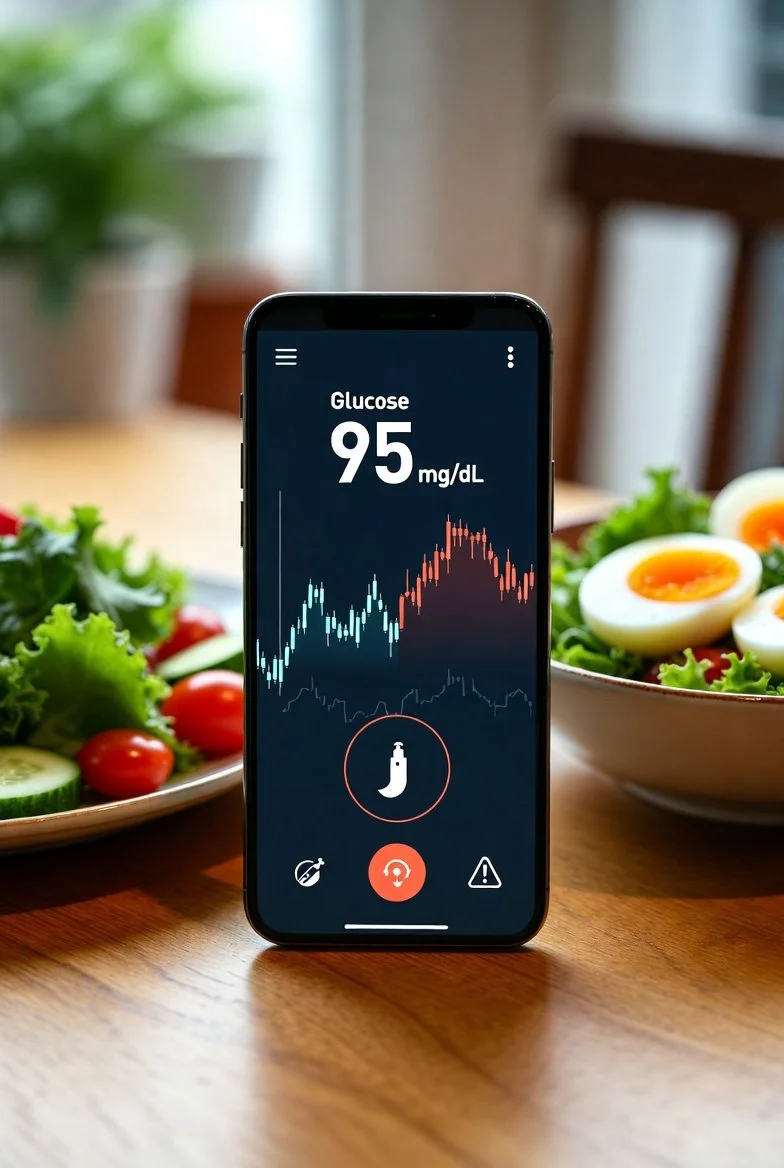
This is where Continuous Glucose Monitoring (CGM) becomes one of the most powerful awareness tools we have.

At Torre Prime, we use CGM not to label people — but to reveal patterns, identify early risk, and guide smarter decisions long before disease develops.
If you were taught that glucose problems only matter once someone is “diabetic,” you were taught Medicine 2.0.

In modern longevity medicine, glucose is not a diagnosis — it’s a signal. And like most important signals in the body, it often changes long before symptoms appear.

This is where Continuous Glucose Monitoring (CGM) becomes one of the most powerful awareness tools we have.

At Torre Prime, we use CGM not to label people — but to reveal patterns, identify early risk, and guide smarter decisions long before disease develops.

What Is a CGM — and Why It’s Different From a Blood Test

A Continuous Glucose Monitor is a small wearable sensor that tracks glucose levels 24 hours a day, typically every 5–15 minutes, for 10–14 days at a time.

Unlike a single fasting glucose or A1c, CGM shows:

  • How your glucose responds to real meals

  • What happens after exercise

  • The impact of sleep, stress, alcohol, and timing

  • Nighttime glucose patterns you never see on labs

In other words, it captures how your metabolism actually behaves in real life.

This makes CGM an awareness tool, not just a diagnostic one.

Why “Normal Labs” Can Still Miss Metabolic Risk

Many people come to us with:

  • Normal fasting glucose

  • “Acceptable” A1c

  • Good cholesterol numbers

  • A fit or lean appearance

And yet, when we place a CGM, we see:

  • Large glucose spikes after common meals

  • Prolonged elevations after eating

  • Poor overnight glucose stability

  • Stress-related glucose surges

  • Late-night eating that disrupts metabolic recovery

None of this shows up on a single lab draw.

You can look healthy and still be metabolically strained.

The Metabolically Invisible: A Special Consideration for women and Gay Men

This matters especially in populations where appearance, fitness, or leanness is often over-valued as a proxy for health — especially many women and gay men.

In our clinical experience, it is not uncommon to see:

  • Lean or muscular men with significant glucose variability

  • Highly active individuals compensating for poor metabolic recovery

  • Chronic stress, sleep disruption, or alcohol use masking metabolic strain

  • Body composition that looks “fit” while internal signaling is not resilient

There is also a cultural factor: many women and gay men have learned to optimize appearance before health, sometimes unconsciously.

CGM can gently but clearly show when the internal physiology does not match the external image — without shame, blame, or diagnosis.

It simply answers the question:

“How is my body actually handling energy?”

What CGM Teaches That Nothing Else Does

A CGM doesn’t tell you what to eat — it shows you how your body responds.

Common insights include:

  • Two people eating the same meal can have wildly different glucose responses

  • “Healthy” foods may spike one person and stabilize another

  • Protein timing can dramatically blunt glucose spikes

  • Walking after meals often matters more than what you ate

  • Late-night eating can impair overnight metabolic recovery

  • Poor sleep raises glucose even without food

This moves nutrition from ideology to personal physiology.

CGM Is Not About Perfection — It’s About Awareness

At Torre Prime, we do not use CGM to chase flat lines or create food anxiety.

We use it to:

  • Identify early metabolic stress

  • Improve energy and focus

  • Guide smarter meal timing

  • Support training and recovery

  • Reduce long-term cardiometabolic risk

  • Build metabolic flexibility, not rigidity

CGM is a short-term window that creates long-term insight.

Most people only need it once or twice to fundamentally change how they understand their body.

How CGM Fits Into the Torre Prime Model

At Torre Prime, CGM is primarily a Forge-phase tool.

While basic glucose labs help with awareness, CGM goes a step further — it shows how your metabolism performs in real time, under real-world conditions.

That places it squarely in The Forge: Metabolic Strength & Cellular Energy.

  • Forge:
    Build metabolic resilience by understanding glucose dynamics, insulin signaling, meal timing, recovery, and energy utilization — then using that data to improve flexibility, stability, and long-term performance.

CGM helps answer questions like:

  • How efficiently do you clear glucose?

  • How resilient is your metabolism under stress?

  • Are you fueling in a way that supports training, recovery, and energy?

  • Is your body flexible — or fragile — when conditions change?

For many patients, CGM is the moment metabolism stops being theoretical and becomes trainable.

“I finally understand how my body handles energy — and what to do about it.”

The Takeaway

You don’t need to be diabetic to benefit from glucose awareness.
You don’t need abnormal labs to have metabolic strain.
And you don’t need to look “unhealthy” to deserve deeper insight.

CGM helps close the gap between how you look and how you function.

And for many people — especially those who’ve been told they’re “fine” — it becomes the most clarifying tool they’ve ever used.

Want to Explore CGM as Part of Your Longevity Strategy?

CGM is available as part of Torre Prime’s Forge evaluation, with guided interpretation and practical coaching — not raw data dumps.

Awareness first. Alignment next.

Start Strong. Rise Higher.

Read More

The Ultimate Guide to Longevity Medicine in 2026

What Longevity Medicine Actually Is, Why It’s Different, and How to Do It Right

Longevity medicine has officially crossed a threshold.

In 2026, it’s no longer fringe, futuristic, or reserved for Silicon Valley biohackers. It’s becoming a legitimate, evidence-informed medical discipline—one that asks a radically different question than traditional healthcare:

Not “How do we treat disease?” but “How do we preserve function, vitality, and meaning for decades to come?”

This guide explains what longevity medicine really is, how it differs from conventional care and anti-aging marketing, what actually matters in 2026, and how to know whether you’re doing it—or just buying expensive noise.

What Longevity Medicine Actually Is, Why It’s Different, and How to Do It Right

Longevity medicine has officially crossed a threshold.

In 2026, it’s no longer fringe, futuristic, or reserved for Silicon Valley biohackers. It’s becoming a legitimate, evidence-informed medical discipline—one that asks a radically different question than traditional healthcare:

Not “How do we treat disease?” but “How do we preserve function, vitality, and meaning for decades to come?”

This guide explains what longevity medicine really is, how it differs from conventional care and anti-aging marketing, what actually matters in 2026, and how to know whether you’re doing it—or just buying expensive noise.

What Is Longevity Medicine?

Longevity medicine is a preventive, proactive, data-driven approach to extending healthspan—the number of years you live with strength, cognition, independence, and vitality.

It focuses on:

  • Reducing risk before disease appears

  • Preserving physical, metabolic, cognitive, and sexual function

  • Aligning medical strategy with how you actually want to live

Unlike traditional medicine, it does not wait for:

  • A heart attack

  • A diabetes diagnosis

  • A cancer staging report

  • Cognitive decline that’s already underway

And unlike anti-aging marketing, it’s not about:

  • “Reversing aging”

  • Cosmetic fixes

  • Supplement stacks without strategy

Longevity medicine is structured prevention, not wishful thinking.

Medicine 2.0 vs Medicine 3.0 (Why This Shift Matters)

Most healthcare today still operates in what many call Medicine 2.0:

  • Reactive

  • Disease-based

  • Short visits

  • Fragmented specialists

  • Lab “normal ranges” that ignore long-term risk

Medicine 3.0, the foundation of modern longevity medicine, shifts the paradigm:

  • Proactive and preventive

  • Risk-stratified and personalized

  • Focused on trajectories, not snapshots

  • Built around function, not just survival

In 2026, this distinction matters more than ever—because people are living longer, but not better.

The Core Pillars of Longevity Medicine in 2026

Longevity medicine has matured. The signal has separated from the noise. In 2026, effective programs consistently address eight interconnected domains:

1. Cardiovascular Risk — The Silent Driver

Heart disease remains the #1 cause of death, and risk often begins decades before symptoms.

Modern longevity care looks beyond cholesterol alone and evaluates:

  • ApoB and particle burden

  • Lipoprotein(a)

  • Blood pressure patterns

  • Inflammation markers

  • Imaging (CAC, CT angiography when appropriate)

Waiting for symptoms is no longer acceptable.

2. Metabolic Health — The Root System

Insulin resistance, visceral fat, and poor metabolic flexibility quietly fuel:

  • Heart disease

  • Cancer risk

  • Cognitive decline

  • Low energy and fatigue

Longevity medicine prioritizes:

  • Body composition over weight alone

  • Glucose regulation

  • Protein adequacy

  • Muscle preservation

Metabolic health is not cosmetic—it’s foundational.

3. Strength, Muscle, and Physical Capacity

After age 40, muscle loss accelerates unless actively resisted.

In 2026, longevity medicine treats strength like a vital sign:

  • Resistance training

  • Stability and balance

  • VO₂ max and aerobic capacity

  • Mobility and joint integrity

If you can’t lift, carry, balance, and recover, longevity becomes theoretical.

4. Cognitive Health — Before Symptoms

Dementia prevention does not begin with memory loss.

Longevity care assesses:

  • Sleep quality

  • Hearing

  • Vascular health

  • Mood and stress

  • Cognitive load and recovery

The goal is preserving clarity, not reacting to decline.

5. Sleep and Circadian Health

Sleep is no longer considered “lifestyle”—it’s medical infrastructure.

Longevity medicine evaluates:

  • Sleep duration and efficiency

  • Circadian alignment

  • Sleep-disrupting medications

  • Hormonal and stress contributors

You cannot out-supplement poor sleep.

6. Sexual Health and Vitality

Libido, erectile function, and sexual energy are early warning signals, not indulgences.

In 2026, longevity medicine recognizes sexual health as:

  • A cardiovascular marker

  • A hormonal signal

  • A quality-of-life pillar

  • A motivator for engagement and behavior change

Vitality matters.

7. Emotional Health and Stress Physiology

Chronic stress silently erodes:

  • Sleep

  • Metabolism

  • Blood pressure

  • Immune function

  • Relationships

Longevity medicine integrates:

  • Nervous system regulation

  • Emotional resilience

  • Recovery capacity

Not as therapy replacement—but as medical reality.

8. Purpose and Alignment

Longevity without meaning fails.

In 2026, the best programs acknowledge that:

  • Purpose affects physiology

  • Identity shapes behavior

  • Disconnection accelerates decline

Longevity is not just adding years—it’s ensuring you want to live them.

What Longevity Medicine Is Not

Clarity matters.

Longevity medicine is not:

  • A supplement subscription

  • A hormone mill

  • A cosmetic clinic with labs

  • A one-time “executive physical”

  • A guarantee of outcomes

Any program promising certainty should raise concern.

Longevity medicine manages risk, probability, and trajectory—not destiny.

How Torre Prime Approaches Longevity Medicine

At Torre Prime, longevity is structured into clear phases, not vague promises:

  • The Sentinel — Awareness & Risk Mapping

  • The Compass — Turning data into direction

  • The Forge — Metabolic and cellular resilience

  • The Temple — Strength, VO₂ max, stability, and performance

  • The Lighthouse — Cognitive, stress, and sleep alignment

  • The Flame — Vitality, intimacy, and hormonal health

  • The Horizon — Purpose and internal architecture

  • The Summit — Integration and yearly recalibration

Each phase builds on the last. No shortcuts. No overwhelm.

And full transparency:

At Torre Prime, we believe in 100% transparency of medical care and patient ownership of your own health. The documents we provide you are the same documents and reports going into your files, and you have access to them anytime you choose — because it's your health, and they're your records.

Who Longevity Medicine Is For (and Who It Isn’t)

Longevity medicine is ideal if you:

  • Are healthy but want to stay that way

  • Feel “off” despite normal labs

  • Want to be strong, clear, and capable decades from now

  • Prefer prevention over reaction

  • Value data and meaning

It may not be right if you:

  • Want quick cosmetic fixes only

  • Prefer minimal involvement

  • Aren’t ready to engage with your own health

Longevity is participatory.

The Bottom Line for 2026

Longevity medicine is no longer about living forever.

It’s about:

  • Fewer medical surprises

  • More physical capability

  • Clearer thinking

  • Sustained vitality

  • A body that supports the life you want to live

Done correctly, it’s not extreme—it’s intentional.

Ready to Begin?

If you want to understand your personal risk map and where to intervene first, the starting point is The Sentinel.

Start with awareness. Then build forward.

Read More

Why Most Doctors Don’t Have a Longevity Plan — And Why That Means Risk for You

The uncomfortable truth: most doctors do not practice longevity medicine.

If you’ve ever wondered why your annual physical feels brief, reactive, or disconnected from your long-term goals, there’s a reason.
Most doctors don’t have a structured longevity plan for themselves — and therefore can’t build one for you.

This isn’t about intelligence. It isn’t about caring. Physicians care deeply.
It’s about the system they’re trained in.

And the consequences for patients are real: delayed diagnoses, missed risk signals, preventable disease, fragmented guidance, and the quiet erosion of healthspan.

Let’s break down why this happens — and how choosing a practice built on a true longevity framework radically changes your outcomes. - Gabriel Felsen MD

The uncomfortable truth: most doctors do not practice longevity medicine.

If you’ve ever wondered why your annual physical feels brief, reactive, or disconnected from your long-term goals, there’s a reason.
Most doctors don’t have a structured longevity plan for themselves — and therefore can’t build one for you.

This isn’t about intelligence. It isn’t about caring. Physicians care deeply.
It’s about the system they’re trained in.

And the consequences for patients are real: delayed diagnoses, missed risk signals, preventable disease, fragmented guidance, and the quiet erosion of healthspan.

Let’s break down why this happens — and how choosing a practice built on a true longevity framework radically changes your outcomes.

Physicians are trained in crisis medicine, not prevention.

Medical school is extraordinary at teaching how to diagnose a heart attack.
It is not designed to teach how to avoid one 20 years before it happens.

The system rewards:

  • Treating disease, not preventing it

  • Speed, not depth

  • Reimbursement codes, not root-cause analysis

  • “Normal range” thinking, not optimal thinking

A typical primary care visit simply isn’t built for advanced risk prevention.
Longevity medicine is.

Attia’s Outlive describes this well — crisis medicine saves lives, but it was never meant to build healthspan. That requires a different skillset, different tools, and a different framework.

Most doctors don’t have time for their own health, let alone a personalized plan.

Doctors are some of the most overworked professionals in the world. Burnout rates are at historic highs. And when a physician’s schedule allows almost no time for their own structured health plan, they cannot authentically guide one for someone else.

A longevity plan requires:

  • Baseline diagnostics

  • Deep metabolic assessment

  • Cognitive risk mapping

  • Fitness and mobility testing

  • Sleep analysis

  • Nutrition strategy aligned with biochemistry

  • Follow-through

Traditional training simply doesn’t provide the infrastructure for this.

At Torre Prime, we built that infrastructure first — then built the patient experience on top of it.

Medical culture often accepts decline as “normal.”

This is one of the most damaging assumptions in modern healthcare.

Fatigue? “Getting older.”
Weight gain? “Slowing metabolism.”
Brain fog? “Stress probably.”
Low libido? “Happens with age.”
ApoB of 130? “Probably fine.”

None of this is actually normal — it’s just common.

Longevity medicine rejects the idea that decline is inevitable. It asks:

How do we create the best possible health, performance, and clarity for the longest possible time?

This is where mitochondrial health, muscle-centric longevity, and nervous system and sleep regulation integrate into one consistent system.

Doctors rarely get trained in metabolic health, strength training, or VO₂max optimization.

Your lifespan is closely linked to your muscle mass, functional strength, metabolic flexibility, and cardiovascular capacity — the “centenarian decathlon” principles.

Most physicians do not receive training in:

  • Strength periodization

  • Zone 2 conditioning

  • VO₂max development

  • HRV and autonomic balance

  • DNS-style stability and mobility

  • Sarcopenia prevention

  • Nutrition for mitochondrial efficiency

These are not fringe strategies — they are survival strategies.
And they are not covered in traditional medical education.

This leaves patients with vague advice like “exercise more” instead of the precision needed to bend the aging curve.

The medical system is not built to keep you well — it’s built to keep you alive.

These are very different goals.

Traditional care focuses on:

  • Managing blood pressure

  • Preventing hospitalizations

  • Controlling symptoms

Longevity care focuses on:

  • Adding decades of high-quality living

  • Preventing the Four Horsemen of chronic disease

  • Expanding cognitive, physical, and emotional capacity

  • Personalizing strategies to your genetics, labs, sleep, metabolism, and lifestyle

  • Building a healthier baseline every year

If traditional medicine is the fire department, longevity medicine is architecture — designing the structure so the fire never starts.

When your doctor doesn’t have a longevity plan, you end up reacting instead of leading.

Without a roadmap, you get:

  • Annual physicals that feel generic

  • “Normal” labs that miss early disease signals

  • Unclear advice about diet, supplements, and exercise

  • No strategy for metabolic health or cognitive aging

  • Fragmented recommendations from specialists who don’t talk to each other

  • The creeping feeling that something’s “off,” but no one is connecting the dots

A longevity plan eliminates all of this.

At Torre Prime, every patient receives:

  • Sentinel: advanced risk mapping

  • Compass: personalized 90-day execution plan

  • Forge: metabolic optimization

  • Temple: strength, VO₂max, and mobility

  • A single physician who knows every layer of your data, story, and goals

This is not concierge medicine.
This is structured, evidence-based healthspan engineering.

So why does this gap matter for you?

Because most age-related disease starts quietly, slowly, and decades before symptoms.
Without a longevity plan, you’re navigating blind.

A structured longevity framework means:

  • You understand your risk long before it becomes disease

  • You train your body for the next decade, not the last one

  • You protect your brain and cognitive future

  • You build metabolic resilience instead of waiting for a diagnosis

  • You sleep better, recover better, and age slower

  • You gain clarity, purpose, and direction

Longevity is not a trend — it is the evolution of modern medicine.
And it only works when it is intentional.

The takeaway

Most doctors don’t have a longevity plan because the system wasn’t designed to create one.

But your life is long enough, valuable enough, and meaningful enough to deserve more than “reactive healthcare.”

You deserve a roadmap — tailored, precise, and built for the long game.

If you’re ready to know where you stand and what to do next, start with The Sentinel.
It’s the foundation of every transformation we create at Torre Prime.

Read More

Tired All the Time? It Might Not Be Age — It Might Be Metabolic Dysfunction

Persistent fatigue is not a normal part of aging. Learn how metabolic dysfunction, insulin resistance, low muscle mass, inflammation, and poor sleep architecture drain your energy — and how Torre Prime’s longevity approach can help men, women, and LGBTQ+ patients reclaim their energy. - Gabriel Felsen MD

Most people assume that feeling tired all the time is “just getting older.”
At Torre Prime, we see something very different — and we see it in men, women, and LGBTQ+ patients across every age and background.

Fatigue is information, not an inevitability.
And in the majority of adults — especially between ages 30 and 70 — persistent low energy has a clear, measurable cause:

Metabolic dysfunction.

This is the hidden driver behind afternoon crashes, dependence on caffeine, evening exhaustion, and that sense of “I feel older than I should.”

When we correct it, energy often comes back rapidly — sometimes within weeks.

Let’s break down how this works.

Low Energy Isn’t About Age — It’s About Metabolic Load

Your metabolism isn’t just about weight. It’s the sum of:

  • Mitochondrial efficiency

  • Insulin sensitivity

  • Muscle mass

  • Inflammation

  • Hormonal rhythms

  • Sleep architecture

  • Nervous system balance

When any of these wobble, your energy falls long before your lab numbers look abnormal.

The pathway is predictable:

  1. Blood sugar swings

  2. Mitochondrial stress

  3. Cortisol activation

  4. Sleep disruption

  5. Morning exhaustion

  6. Afternoon crash

  7. Evening cravings

  8. Weight gain

  9. Repeat

This cycle ages the body faster than time alone — and as the Peter Attia book Outlive describes, metabolic dysfunction is one of the earliest warning signs of long-term health decline.

The Most Common Causes of “Unexplained” Fatigue We See

Insulin resistance

One of the most common and overlooked drivers of low energy.

Low muscle mass (“sarcopenia-lite”)

Muscle health is central to metabolic resilience for men, women, and LGBTQ+ patients alike.

High cortisol and disrupted sleep architecture

Chronic stress flattens natural circadian rhythms.

Mitochondrial inefficiency

If your cellular engines are underperforming, fatigue follows.

Why So Many People Miss the Signs

Most traditional labs track disease, not dysfunction.

You can have normal numbers and still have profoundly impaired energy production.

Longevity medicine looks for yellow flags — the early markers that predict the red flags.

The Torre Prime Framework: Fixing Fatigue at the Root

Your energy is shaped by multiple systems, not just blood sugar or sleep.
At Torre Prime, we use an integrated 8-pillar longevity architecture to identify and reverse the causes of persistent fatigue.

The Sentinel — Awareness & Risk Mapping

We uncover the metabolic, hormonal, cardiovascular, inflammatory, and lifestyle drivers behind your low energy through advanced screening and personalized risk mapping.

The Compass — Data Into Direction

Once we understand your terrain, we translate your labs, imaging, Oura metrics, and assessments into a personalized, step-by-step blueprint that guides your nutrition, training, recovery, and daily practices.

The Forge — Metabolic Strength & Cellular Energy

Here we rebuild energy production from the ground up using:

  • protein-first nutrition

  • blood sugar stabilization

  • mitochondrial support

  • fasting and fueling strategies

  • body composition optimization

This restores stable, clean metabolic energy.

The Temple — Physical Power & Performance

Fatigue improves dramatically when your physical systems are trained effectively.
We use:

  • Zone 2 conditioning

  • VO₂ max development

  • strength training

  • mobility and stability programming

to increase energy production and resilience.

The Lighthouse — Mind, Stress & Clarity

Chronic stress disrupts sleep, cortisol, and focus.
We realign your nervous system and circadian rhythm through:

  • stress physiology repair

  • sleep optimization

  • HRV improvement

  • emotional resilience training

This restores mental clarity and consistent daytime energy.

The Flame — Vitality, Intimacy & Drive

Hormones, sexual health, and emotional connection play a powerful role in vitality.
When libido, hormones, or intimacy are suppressed, fatigue often follows.
We treat the physiology and psychology of vitality so you feel alive in your body again.

The Horizon — Purpose & Spiritual Alignment

Purpose affects physiology.
When your life direction aligns with your values, your energy becomes more stable, grounded, and self-directed.

We help you clarify what truly motivates you so your lifestyle supports your long-term vitality.

The Summit — Integration & Renewal

Once we rebuild your systems, we bring everything together into a yearly synthesis — refining your plan, celebrating progress, and setting new goals so your energy continues to expand year after year.

What It Feels Like When Metabolism Starts Working Again

Patients commonly report:

  • “I wake up rested.”

  • “No more afternoon slump.”

  • “My mood and focus are better.”

  • “I’m not chasing caffeine or sugar.”

  • “My workouts feel smooth and strong.”

This is not aging backward — it’s physiology functioning properly.

Fatigue Is Fixable — And You Don’t Have to Age Into It

Feeling tired all the time is not normal.
It’s not aging.
It’s not “just life.”

It’s a signal that your metabolic systems need attention.

And whether you're a man, a woman, or part of our LGBTQ+ community, your individual physiology deserves a long, energetic, fully-lived life.

This is what longevity medicine is for:
More life in your years, not just more years in your life.

Call-to-Action for Torre Prime

If you’re ready to understand why you feel tired — and fix it at the root — schedule a Sentinel Evaluation with Torre Prime.

We work with men, women, and LGBTQ+ patients who want one thing:
to feel alive again.

Energy is a vital sign.
Let’s rebuild it.

Read More

Longevity Medicine vs. Anti-Aging Aesthetics: What’s the Real Difference?

Most people who “want to look younger” aren’t actually chasing youth—they’re chasing vitality, confidence, and a sense of control over their health. But in today’s wellness landscape, two very different industries often get blended together: Longevity Medicine and Anti-Aging Aesthetics. - Gabriel Felsen MD

Why the Distinction Matters—for Everyone, and Especially for Gay, Bisexual & Queer Men

Most people who “want to look younger” aren’t actually chasing youth—they’re chasing vitality, confidence, and a sense of control over their health. But in today’s wellness landscape, two very different industries often get blended together: Longevity Medicine and Anti-Aging Aesthetics.

At Torre Prime, we work with all adults who want to live longer, stronger, and more connected lives—and we offer a dedicated space for gay, bisexual, and queer men who often face unique physiological and social stressors that mainstream healthcare rarely accounts for.
Understanding this difference isn’t just semantic—it changes what’s possible for your life, your healthspan, and your sense of agency.

Part 1: What Is Longevity Medicine?

Longevity medicine is evidence-based, preventive, deeply individualized medical care designed to:
• expand healthspan (the years lived disease-free)
• prevent the chronic diseases that drive most suffering
• preserve physical and cognitive function over decades
• optimize metabolic, hormonal, emotional, and social wellbeing
• add quality to your life—not just years

It follows a structured, physician-guided model similar to the Torre Prime approach:
Sentinel → Compass → Forge → Temple → Lighthouse → Mirror → Flame.
The focus is on assessment, precision diagnostics, and long-game planning.

Longevity medicine includes:
• Advanced labs and biomarker mapping
• Cancer-screening risk stratification
• ApoB-first lipid strategy and cardiovascular prevention
• Cognitive decline protection and Downstate recovery strategies
• Zone 2 and VO2max training
• Strength, power, and stability training (Centenarian Decathlon)
• Sleep architecture optimization
• Nutrition personalized by metabolic response
• Emotional health, relationships, and stress-load mapping
• Social connection design
• Hormone assessment and optimization only when appropriate

It’s built on measurable science and clear goals—not the fear of aging.

Part 2: What Is Anti-Aging Aesthetics?

Anti-aging aesthetics aims to modify appearance, not biology.
This includes:
• Botox, fillers, neuromodulators
• Laser treatments
• Peels, microneedling
• Surgical procedures
• Hair-removal or hair-restoration treatments
• Skin tightening and smoothing

These treatments can be confidence-enhancing, useful, and safe when done well. But they don’t address:
• metabolic dysfunction
• cardiovascular risk
• inflammatory pathways
• mitochondrial aging
• muscle loss
• cognitive decline
• sleep fragmentation
• social disconnection
• emotional burnout
• longevity-relevant hormone patterns

They treat surface phenotype, not root-cause physiology.

Part 3: Why the Confusion Happens

Most people know what Botox does.
Few people know their apoB, their zone 2 threshold, or what a CAC score actually predicts.

The aesthetic world is visible and immediate; longevity medicine is slower, quieter, and more transformative.
Both matter—but they serve different human needs.

At Torre Prime, we’re not anti-aesthetics. Aesthetic treatments make sense for many people. But they’re not a substitute for medical longevity.

Part 4: Why This Difference Matters Especially for Gay, Bisexual & Queer Men

This community often lives with:
• higher minority stress load
• elevated cortisol and autonomic imbalance
• higher rates of sleep fragmentation
• higher risk for metabolic and cardiovascular issues
• unique sexual-health patterns
• culturally driven body-image pressures
• high social emphasis on youthfulness
• community-driven appearance norms

Anti-aging aesthetics often becomes the first stop, when what’s truly needed is a deeper medical foundation.
Longevity medicine provides:
• metabolic resilience
• strength and joint protection
• heart-attack and stroke prevention
• cognitive and emotional stability
• sexual vitality over decades
• hormone pattern optimization when appropriate
• sustainable energy
• extended quality years

This is not about chasing youth—it’s about protecting the body you want to live in.

Part 5: How to Decide Which You Need

You might be a good fit for longevity medicine if you want to:
• feel stronger, clearer, more energetic
• prevent disease long before symptoms appear
• improve sleep, metabolic health, sexual vitality
• reduce inflammation and injury risk
• build a decades-long physical foundation
• enhance confidence from the inside out

You might be a good fit for aesthetic care if you want to:
• soften lines
• improve skin texture
• reshape or enhance specific features
• address visible signs of aging
• boost self-image through appearance-based change

Many people benefit from both, but the order matters:
Aesthetics layered on top of a healthy foundation looks better, lasts longer, and reduces risk.

Part 6: Why Torre Prime Focuses on Longevity First

Because no aesthetic treatment can compete with:
• well-regulated inflammation
• healthy mitochondria
• stable blood sugar
• strong muscle and powerful joints
• a resilient cardiovascular system
• deep structured sleep
• a nervous system not living in threat mode
• a life filled with connection and meaning

That’s why Torre Prime exists for everyone—with specialized expertise for gay, bi, and queer men who’ve historically been underserved in preventive medicine.

We don’t sell youth.
We teach you how to build a durable, vital, connected life.

Closing Message

Aesthetic medicine can enhance confidence.
Longevity medicine changes your life.

When these two worlds are understood clearly, you can choose the path—or the combination—that aligns with your long-term wellbeing.

If you want to explore where you fit, Torre Prime offers a welcoming, inclusive consultation space for anyone ready to build a healthier future.

Read More
Gabriel Felsen Gabriel Felsen

The Most Common Regrets Gay Men Have About Their Health in Their 50s

Many gay men reach their 50s wishing they had started caring for their metabolism, strength, sexual vitality, and emotional health sooner. In this article, Dr. Gabriel Felsen breaks down the most common regrets—and how modern longevity medicine can help you change your trajectory starting today.

When I meet gay men in their 50s—whether at my clinic, at community events, or in a telemedicine visit—there’s a pattern that appears so consistently it’s almost predictable.
A sense of “I wish I had started sooner.”

Not because they’ve done anything wrong, but because no one ever taught them how their body really works, what longevity actually means, or how gay men’s health differs from the general population.

Based on my clinical work, decades of lived community experience, longevity research, and many of the stories shared directly with me, here are the seven most common health regrets gay men express in their 50s—and more importantly, what you can do about them now.

1. “I wish I had taken my metabolism seriously earlier.”

Many gay men arrive in midlife feeling like their metabolism changed “overnight.”
It didn’t.
It was slowly drifting for decades.

The regret:
Not paying attention to abdominal fat, rising waist size, creeping blood sugar, or declining muscle mass until they suddenly mattered.

What this really reflects:

  • Untreated insulin resistance

  • Chronically elevated glucose swings

  • Loss of metabolic flexibility

  • Inconsistent protein intake

  • Lack of intentional strength training

What to do now:
A metabolic reset is absolutely possible in your 50s.
The tools are:

  • Continuous glucose monitoring (CGM)

  • Strength training 3–4 days/week

  • High-protein, low-sugar nutrition

  • Tracking waist circumference, not just weight

2. “I should have protected my brain earlier.”

Gay men disproportionately face chronic minority stress, sleep disruption, burnout, and cortisol dysregulation.

By the 50s, this shows up as:

  • Brain fog

  • Forgetfulness

  • Poor focus

  • Emotional reactivity

  • Decreased sleep quality

The regret:
Not treating the brain as a long-term investment.

The truth from modern longevity science:
Brain aging begins in our 40s.
APOE4 risk, sleep quality, metabolic health, and stress load all shape cognitive aging.

What to do now:

  • Prioritize sleep as a biological training zone

  • Reduce alcohol (and other things)

  • Train VO2 max, not just muscles

  • Optimize vitamin D, B12, Omega-3

  • Address loneliness and social isolation (huge for gay men)

3. “I wish I had kept my strength.”

By 50, most men have lost over 30% of their peak muscle mass unless they actively trained strength.

For gay men specifically:

  • Aesthetics often overshadow function in youth

  • Cardio is overemphasized

  • True strength training is often delayed until too late

The regret:
Not building the “muscle reserve” that determines how well you age after 60.

Medicine 3.0 reality:
Muscle is the most important organ of longevity.

What to do now:

  • Heavy strength training 2–3×/week

  • Grip, carry, squat, hinge, and pull

  • Track your centenarian decathlon movements

  • Protein target: 1g per lb of ideal body weight

4. “I wish I had protected my sexual vitality.”

Many gay men in their 50s tell me:
“I thought erectile changes were just part of aging.”

They’re not.

The regret:
Waiting until their 50s to address:

  • Erections

  • Testosterone changes

  • Performance anxiety

  • Dopamine-driven exhaustion

  • Porn desensitization

  • Partner misalignment

  • Shame-based avoidance of sexual healthcare

Gay sexual health is both physical and emotional.
Men often suffer silently, believing something is “wrong” with them.

What to do now:

  • Assess hormones (don’t guess)

  • Address metabolic health (huge for erections)

  • Manage performance anxiety and sleep

  • Consider Trimix, PDE5 inhibitors, or combination protocols

  • Treat sex as part of overall vitality—not a separate topic

5. “I wish I had addressed sleep decades ago.”

Gay men have higher rates of insomnia, inconsistent schedules, nightlife habits, and cortisol shifts related to chronic stress.

By your 50s, poor sleep accelerates:

  • Weight gain

  • Brain aging

  • Hypertension

  • Mood instability

  • Erectile dysfunction

The regret:
Not understanding that sleep is the most powerful longevity drug we have.

What to do now:

  • A consistent bedtime (10 PM is ideal)

  • Reduce blue light 2 hours before bed

  • Target 90 minutes of slow-wave sleep

  • Reduce alcohol and late-night eating

  • Prioritize parasympathetic recovery (Downstate)

6. “I wish I had gotten my screenings earlier.”

This one is huge.

Gay men often avoid—or are not guided toward—early screening for:

  • Colorectal cancer

  • Prostate cancer

  • Coronary calcium scores

  • ApoB and advanced lipid panels

  • Sleep apnea

  • Liver health

  • STI screening

  • HIV PrEP management

  • Bone density

The regret:
Assuming that “normal labs” mean optimal health.

What to do now:
Medicine 3.0 means testing early, testing deeply, and acting proactively—not reactively.

7. “I wish I hadn’t waited to build a support system.”

By age 50, many gay men discover an unexpected truth:

Longevity requires other people.

Yet:

  • Many lived portions of life in secrecy or shame

  • Many avoided forming deep community

  • Many lost friends to HIV

  • Many struggle with midlife dating or partnership

  • Many fear being alone as they age

The regret:
Not investing in emotional well-being and community sooner.

The truth:
Loneliness is as dangerous as smoking 15 cigarettes a day.

What to do now:

  • Rebuild chosen family

  • Create routine contact—weekly dinners, group chats, meet-ups

  • Practice vulnerability

  • Build friendships around shared health goals

  • Work with a longevity physician trained in mental and emotional health

Why These Regrets Matter—And Why They’re Not Fixed Destiny

Here’s the message I give every man who walks into Torre Prime:

Regret is information.
Not punishment.
Not fate.
Just information.

And when you use regret as data, not shame, you gain something incredibly rare in healthcare:

Control.

You can rewrite your 50s.
You can change your trajectory for your 60s.
And your 70s, 80s, and beyond can look radically different than your parents’ generation.

That’s the entire purpose of longevity medicine.

What Torre Prime Does for Gay Men in Their 40s and 50s

At Torre Prime, we treat gay men’s longevity as its own specialty.

Our framework includes:

  • Deep-dive metabolic testing

  • CGM-guided nutrition

  • Hormone and sexual vitality medicine

  • Sleep architecture optimization

  • The Centenarian Decathlon

  • Advanced labs (apoB, Lp(a), insulin, inflammatory markers)

  • Early cancer screening

  • Stress load analysis

  • Cognitive preservation

  • Emotional and relational health

  • Community-building strategies

Because gay men deserve health care that gets us—not just “tolerates” us.

You don’t have to wait until you’re 60 to start over.


You can start today.

Read More