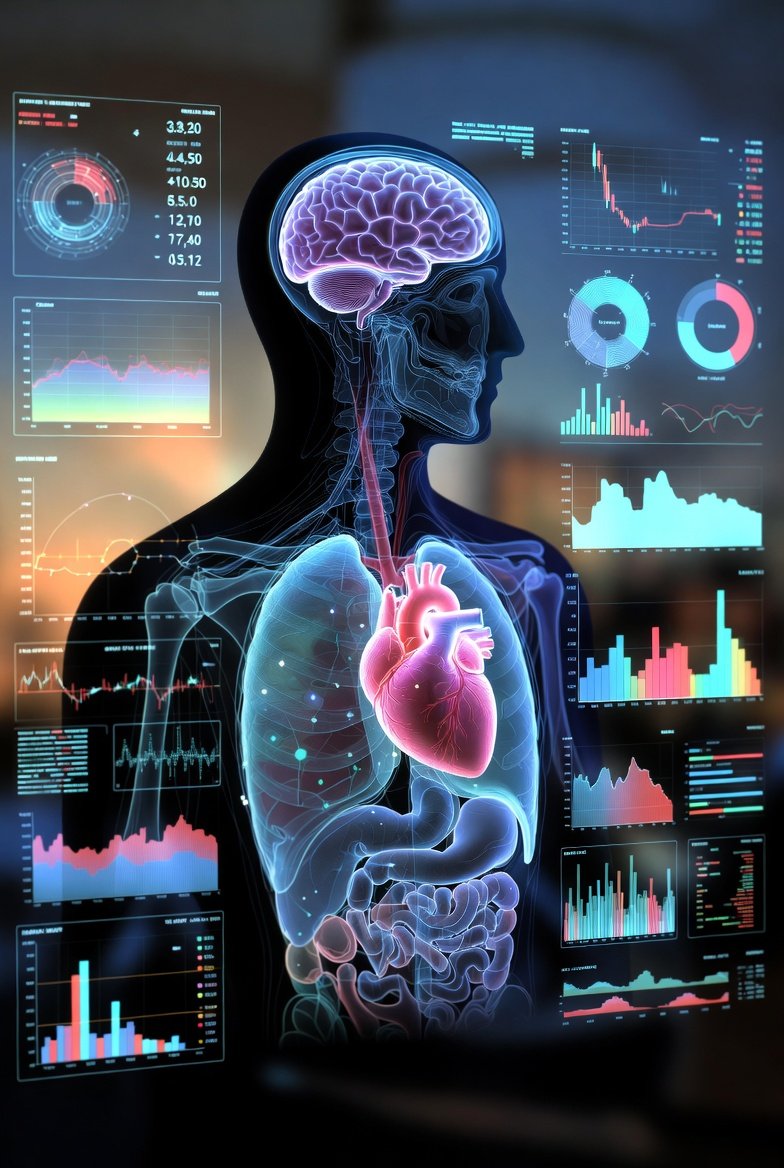
How Does My Device Measure Stress — And What Does It Really Mean?

How Does My Device Measure Stress — And What Does It Really Mean?

Why your Apple Watch, Oura Ring, WHOOP, Garmin, Samsung Galaxy Watch, or Fitbit may say you’re “stressed” — even when you don’t feel it.

Most people think stress is something you feel: anxiety, tension, overwhelm.

Your wearable thinks stress is something your nervous system is doing.

At Torre Prime, we teach clients to understand this distinction — because it’s the key to using wearables correctly instead of being confused or alarmed by them.
Why your Apple Watch, Oura Ring, WHOOP, Garmin, Samsung Galaxy Watch, or Fitbit may say you’re “stressed” — even when you don’t feel it.

Most people think stress is something you feel: anxiety, tension, overwhelm.

Your wearable thinks stress is something your nervous system is doing.

At Torre Prime, we teach clients to understand this distinction — because it’s the key to using wearables correctly instead of being confused or alarmed by them.

First: What “Stress” Actually Means in Wearables

Important: Your device is not measuring emotions.

It is estimating physiological stress, based on signals like:

  • Heart Rate Variability (HRV)

  • Resting heart rate

  • Breathing rate

  • Skin temperature

  • Activity and recovery patterns

  • Sleep quality

From a longevity perspective, this matters because chronic physiological stress accelerates aging, even when life feels “fine.”

The Core Metric Behind Almost All Stress Scores: HRV

Heart Rate Variability reflects how well your autonomic nervous system adapts.

  • Higher HRV → flexible, resilient nervous system

  • Lower HRV → sympathetic (fight-or-flight) dominance

Low HRV does not mean something is wrong — but persistent downward trends are an early warning sign we take seriously in longevity medicine.

How Each Major Device Measures Stress (And What It’s Best For)

Apple Watch

How it measures stress

  • HRV (intermittent)

  • Resting heart rate

  • Breathing rate

  • Activity load

  • Optional ECG events

What it does well

  • Detects cardiovascular strain

  • Flags abnormal heart rhythm patterns

  • Integrates stress with movement and sleep

Limitations

  • HRV measured sporadically

  • No single “stress score”

  • Requires interpretation

Torre Prime perspective:
Apple Watch is best for Sentinel-level awareness — identifying early cardiovascular and nervous system signals that warrant deeper evaluation.

Samsung Galaxy Watch

How it measures stress

  • Continuous heart rate

  • HRV-derived stress index

  • Breathing rate

  • Sleep patterns

What it does well

  • Real-time stress visualization

  • Guided breathing interventions

  • Android-friendly ecosystem

Limitations

  • Stress algorithms less transparent

  • Less validated medical data

Torre Prime perspective:
Useful for behavioral awareness, especially for clients who benefit from real-time prompts to downshift.

Ōura Ring

How it measures stress

  • Continuous overnight HRV

  • Resting heart rate

  • Body temperature deviation

  • Sleep architecture

What it does well

  • Best-in-class sleep-based stress insight

  • Detects early illness, overtraining, burnout

  • Clean trend visualization

Limitations

  • No daytime display

  • Subscription required

Torre Prime perspective:
Oura is our Lighthouse pillar favorite — ideal for understanding how stress is affecting recovery, immunity, and sleep quality over time.

WHOOP

How it measures stress

  • Continuous HRV

  • Resting heart rate

  • Respiratory rate

  • Strain vs recovery modeling

What it does well

  • Excellent nervous system modeling

  • Clear recovery readiness signals

  • No screen = fewer compulsive checks

Limitations

  • Subscription-only

  • No ECG or medical alerts

Torre Prime perspective:
WHOOP excels in Forge-phase metabolic and autonomic resilience, especially for clients training hard or recovering from burnout.

Garmin

How it measures stress

  • Continuous HRV

  • Activity-adjusted stress score

  • “Body Battery” energy modeling

  • Training load integration

What it does well

  • Links stress to physical performance

  • Excellent VO₂ max and endurance insights

  • Long battery life

Limitations

  • Interface can feel data-heavy

  • Less emotional framing

Torre Prime perspective:
Garmin is ideal for Temple-phase performance optimization, where stress is understood through physical output and recovery capacity.

Fitbit

How it measures stress

  • HRV

  • Resting heart rate

  • Sleep quality

  • Daily Stress Management Score

What it does well

  • Simple stress summaries

  • Accessible pricing

  • Easy onboarding

Limitations

  • Less granular data

  • Fewer advanced physiological insights

Torre Prime perspective:
Fitbit works well for early-stage awareness, especially for clients new to physiological self-monitoring.

What Your Device Is Not Telling You

Your wearable cannot tell:

  • Why you’re stressed

  • Whether stress is emotional, metabolic, inflammatory, or hormonal

  • If stress is adaptive or damaging

That’s where clinical context matters.

At Torre Prime, we correlate wearable data with:

  • Labs (glucose, inflammation, hormones)

  • Sleep architecture

  • Nutrition and training load

  • Life stressors and recovery capacity

How to Use Stress Data the Right Way

Think trends, not moments.

Red flags we watch for:

  • HRV steadily declining over weeks

  • Elevated resting heart rate without illness

  • Poor recovery despite “doing everything right”

  • Sleep fragmentation with daytime fatigue

These are often early warning signs — long before disease appears.

The Longevity Takeaway

Stress scores aren’t judgments.
They’re early signals.

Your device is asking:

“Is your nervous system adapting — or just enduring?”

Understanding that question is one of the most powerful tools in modern longevity medicine.

Read More
longevity medicine, movement, performance Gabriel Felsen longevity medicine, movement, performance Gabriel Felsen

The Foundation of Longevity Most People Skip

The Part of Longevity Training No One Talks About

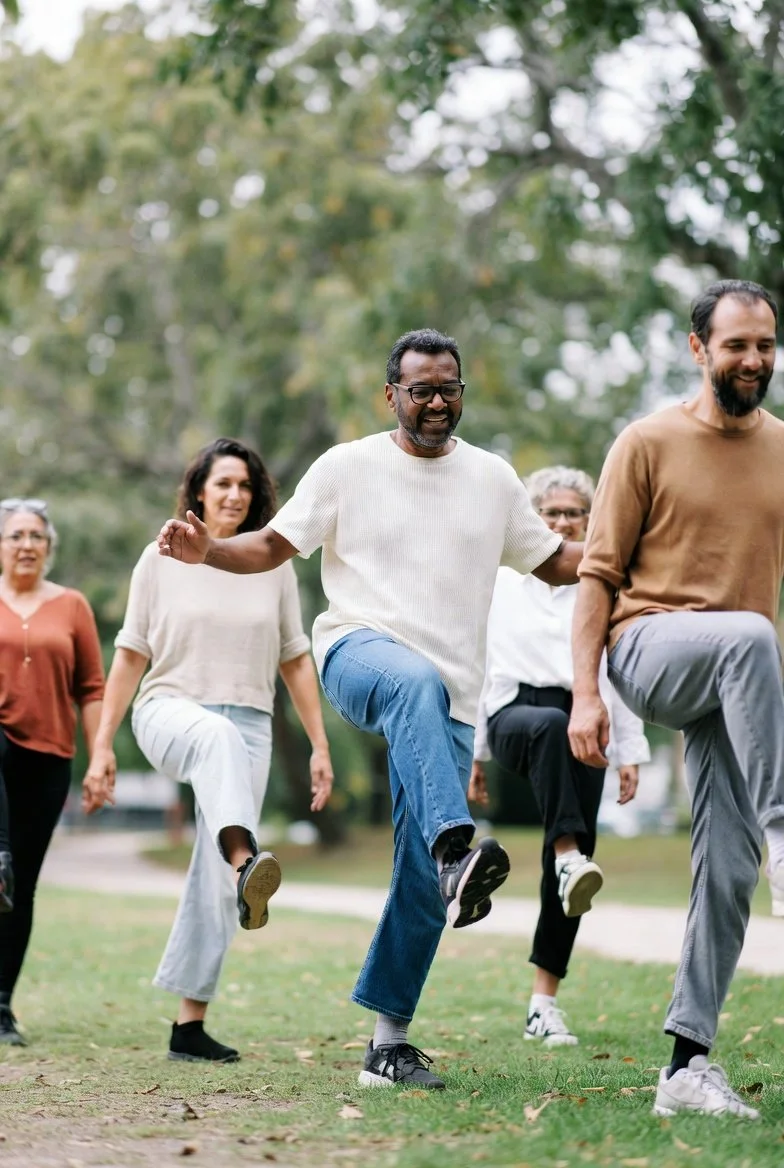
When people think about longevity, they think about lifting heavier weights, improving cardio, or optimizing nutrition and hormones. Very few think about stability.

And yet stability is the foundation that makes all of those things safe, effective, and sustainable.

You don’t lose strength first as you age.
You lose control first.

That loss of control is what leads to injuries, fear of movement, reduced activity, and ultimately decline.

The Part of Longevity Training No One Talks About

When people think about longevity, they think about lifting heavier weights, improving cardio, or optimizing nutrition and hormones. Very few think about stability.

And yet stability is the foundation that makes all of those things safe, effective, and sustainable.

You don’t lose strength first as you age.
You lose control first.

That loss of control is what leads to injuries, fear of movement, reduced activity, and ultimately decline.

The Pattern Almost Everyone Has Lived

Have you ever been off to a great start with a new training program or activity — feeling stronger, more motivated, finally consistent — only to suffer an injury a few weeks or months in?

Suddenly you’re not just “off track.”
You’re in a worse position than when you started.

The injury slows your momentum.
Movement feels risky.
Confidence drops.
Training stops altogether.

This isn’t bad luck.
It’s usually a missing foundation.

When stability isn’t in place, early gains outpace your body’s ability to control force. Muscles get stronger faster than joints, tendons, and coordination can adapt — and something eventually gives.

Longevity isn’t about how fast you start.
It’s about whether your body can hold the progress you make.

What Stability Really Is

Stability is not just balance, and it’s not a rehab concept.

Stability is your body’s ability to:

  • control joint position

  • coordinate muscles at the right time

  • maintain alignment under load

  • respond to unexpected movement without injury

In everyday life, stability determines whether force goes through muscle or into joints, discs, and tendons.

That distinction matters more with every passing decade.

Why Stability Is the True Longevity Multiplier

Injury Ends Momentum

Most long-term decline doesn’t start with disease.
It starts with a fall, a back injury, or a joint problem that never fully resolves.

Once movement feels unsafe, people move less. When people move less, everything else follows: loss of strength, metabolic decline, cardiovascular risk, and isolation.

Stability reduces this risk by preserving control — not just at rest, but under stress.

Strength Without Stability Doesn’t Last

You can build muscle without stability, but you can’t keep it.

Without stability:

  • knees collapse

  • spines absorb load they shouldn’t

  • shoulders lose centration

  • compensations accumulate silently

Eventually something gives.

Stability is what allows strength to be expressed safely and repeatedly over years, not just months.

Independence Depends on Stability, Not Power

The movements that define aging well are not max-effort tasks:

  • standing up from a chair

  • walking on uneven ground

  • carrying groceries

  • catching yourself when you trip

These are control problems, not strength problems.

Longevity isn’t about how much you can lift.
It’s about how well you can move when life isn’t predictable.

Why Most People Skip Stability

Stability work doesn’t look impressive.
It’s slow.
It’s subtle.
It doesn’t chase numbers.

But it’s also the work that:

  • prevents setbacks

  • protects joints

  • preserves confidence in movement

  • keeps people training into their 60s, 70s, and beyond

In other words, it works — just quietly.

How to Train Stability for Longevity

Stability training doesn’t require special equipment or long sessions. It requires intention.

Effective stability work is:

  • slow and controlled

  • focused on alignment

  • done frequently

  • integrated into other training

Examples include:

  • single-leg movements with control

  • slow step-ups and step-downs

  • carries with posture awareness

  • controlled hinges and rotations

  • core bracing during movement

At Torre Prime, stability is a core focus of THE TEMPLE phase — where we build a body that can tolerate load, adapt to stress, and keep performing over time.

Even 5–10 minutes per day can significantly improve movement safety and confidence.

The Longevity Takeaway

Stability is not optional.
It’s not corrective.
It’s not “extra.”

It is the foundation of longevity most people skip — and the reason so many training programs eventually fail.

If you want strength that lasts, endurance you can rely on, and independence you don’t have to fear losing, stability comes first.

Read More