
How Does My Device Measure Stress — And What Does It Really Mean?

How Does My Device Measure Stress — And What Does It Really Mean?

Why your Apple Watch, Oura Ring, WHOOP, Garmin, Samsung Galaxy Watch, or Fitbit may say you’re “stressed” — even when you don’t feel it.

Most people think stress is something you feel: anxiety, tension, overwhelm.

Your wearable thinks stress is something your nervous system is doing.

At Torre Prime, we teach clients to understand this distinction — because it’s the key to using wearables correctly instead of being confused or alarmed by them.

Why your Apple Watch, Oura Ring, WHOOP, Garmin, Samsung Galaxy Watch, or Fitbit may say you’re “stressed” — even when you don’t feel it.

Most people think stress is something you feel: anxiety, tension, overwhelm.

Your wearable thinks stress is something your nervous system is doing.

At Torre Prime, we teach clients to understand this distinction — because it’s the key to using wearables correctly instead of being confused or alarmed by them.

First: What “Stress” Actually Means in Wearables

Important: Your device is not measuring emotions.

It is estimating physiological stress, based on signals like:

  • Heart Rate Variability (HRV)

  • Resting heart rate

  • Breathing rate

  • Skin temperature

  • Activity and recovery patterns

  • Sleep quality

From a longevity perspective, this matters because chronic physiological stress accelerates aging, even when life feels “fine.”

The Core Metric Behind Almost All Stress Scores: HRV

Heart Rate Variability reflects how well your autonomic nervous system adapts.

  • Higher HRV → flexible, resilient nervous system

  • Lower HRV → sympathetic (fight-or-flight) dominance

Low HRV does not mean something is wrong — but persistent downward trends are an early warning sign we take seriously in longevity medicine.

How Each Major Device Measures Stress (And What It’s Best For)

Apple Watch

How it measures stress

  • HRV (intermittent)

  • Resting heart rate

  • Breathing rate

  • Activity load

  • Optional ECG events

What it does well

  • Detects cardiovascular strain

  • Flags abnormal heart rhythm patterns

  • Integrates stress with movement and sleep

Limitations

  • HRV measured sporadically

  • No single “stress score”

  • Requires interpretation

Torre Prime perspective:
Apple Watch is best for Sentinel-level awareness — identifying early cardiovascular and nervous system signals that warrant deeper evaluation.

Samsung Galaxy Watch

How it measures stress

  • Continuous heart rate

  • HRV-derived stress index

  • Breathing rate

  • Sleep patterns

What it does well

  • Real-time stress visualization

  • Guided breathing interventions

  • Android-friendly ecosystem

Limitations

  • Stress algorithms less transparent

  • Less validated medical data

Torre Prime perspective:
Useful for behavioral awareness, especially for clients who benefit from real-time prompts to downshift.

Ōura Ring

How it measures stress

  • Continuous overnight HRV

  • Resting heart rate

  • Body temperature deviation

  • Sleep architecture

What it does well

  • Best-in-class sleep-based stress insight

  • Detects early illness, overtraining, burnout

  • Clean trend visualization

Limitations

  • No daytime display

  • Subscription required

Torre Prime perspective:
Oura is our Lighthouse pillar favorite — ideal for understanding how stress is affecting recovery, immunity, and sleep quality over time.

WHOOP

How it measures stress

  • Continuous HRV

  • Resting heart rate

  • Respiratory rate

  • Strain vs recovery modeling

What it does well

  • Excellent nervous system modeling

  • Clear recovery readiness signals

  • No screen = fewer compulsive checks

Limitations

  • Subscription-only

  • No ECG or medical alerts

Torre Prime perspective:
WHOOP excels in Forge-phase metabolic and autonomic resilience, especially for clients training hard or recovering from burnout.

Garmin

How it measures stress

  • Continuous HRV

  • Activity-adjusted stress score

  • “Body Battery” energy modeling

  • Training load integration

What it does well

  • Links stress to physical performance

  • Excellent VO₂ max and endurance insights

  • Long battery life

Limitations

  • Interface can feel data-heavy

  • Less emotional framing

Torre Prime perspective:
Garmin is ideal for Temple-phase performance optimization, where stress is understood through physical output and recovery capacity.

Fitbit

How it measures stress

  • HRV

  • Resting heart rate

  • Sleep quality

  • Daily Stress Management Score

What it does well

  • Simple stress summaries

  • Accessible pricing

  • Easy onboarding

Limitations

  • Less granular data

  • Fewer advanced physiological insights

Torre Prime perspective:
Fitbit works well for early-stage awareness, especially for clients new to physiological self-monitoring.

What Your Device Is Not Telling You

Your wearable cannot tell:

  • Why you’re stressed

  • Whether stress is emotional, metabolic, inflammatory, or hormonal

  • If stress is adaptive or damaging

That’s where clinical context matters.

At Torre Prime, we correlate wearable data with:

  • Labs (glucose, inflammation, hormones)

  • Sleep architecture

  • Nutrition and training load

  • Life stressors and recovery capacity

How to Use Stress Data the Right Way

Think trends, not moments.

Red flags we watch for:

  • HRV steadily declining over weeks

  • Elevated resting heart rate without illness

  • Poor recovery despite “doing everything right”

  • Sleep fragmentation with daytime fatigue

These are often early warning signs — long before disease appears.

The Longevity Takeaway

Stress scores aren’t judgments.
They’re early signals.

Your device is asking:

“Is your nervous system adapting — or just enduring?”

Understanding that question is one of the most powerful tools in modern longevity medicine.

Read More

Tired All the Time? It Might Not Be Age — It Might Be Metabolic Dysfunction

Persistent fatigue is not a normal part of aging. Learn how metabolic dysfunction, insulin resistance, low muscle mass, inflammation, and poor sleep architecture drain your energy — and how Torre Prime’s longevity approach can help men, women, and LGBTQ+ patients reclaim their energy. - Gabriel Felsen MD

Most people assume that feeling tired all the time is “just getting older.”
At Torre Prime, we see something very different — and we see it in men, women, and LGBTQ+ patients across every age and background.

Fatigue is information, not an inevitability.
And in the majority of adults — especially between ages 30 and 70 — persistent low energy has a clear, measurable cause:

Metabolic dysfunction.

This is the hidden driver behind afternoon crashes, dependence on caffeine, evening exhaustion, and that sense of “I feel older than I should.”

When we correct it, energy often comes back rapidly — sometimes within weeks.

Let’s break down how this works.

Low Energy Isn’t About Age — It’s About Metabolic Load

Your metabolism isn’t just about weight. It’s the sum of:

  • Mitochondrial efficiency

  • Insulin sensitivity

  • Muscle mass

  • Inflammation

  • Hormonal rhythms

  • Sleep architecture

  • Nervous system balance

When any of these wobble, your energy falls long before your lab numbers look abnormal.

The pathway is predictable:

  1. Blood sugar swings

  2. Mitochondrial stress

  3. Cortisol activation

  4. Sleep disruption

  5. Morning exhaustion

  6. Afternoon crash

  7. Evening cravings

  8. Weight gain

  9. Repeat

This cycle ages the body faster than time alone — and as the Peter Attia book Outlive describes, metabolic dysfunction is one of the earliest warning signs of long-term health decline.

The Most Common Causes of “Unexplained” Fatigue We See

Insulin resistance

One of the most common and overlooked drivers of low energy.

Low muscle mass (“sarcopenia-lite”)

Muscle health is central to metabolic resilience for men, women, and LGBTQ+ patients alike.

High cortisol and disrupted sleep architecture

Chronic stress flattens natural circadian rhythms.

Mitochondrial inefficiency

If your cellular engines are underperforming, fatigue follows.

Why So Many People Miss the Signs

Most traditional labs track disease, not dysfunction.

You can have normal numbers and still have profoundly impaired energy production.

Longevity medicine looks for yellow flags — the early markers that predict the red flags.

The Torre Prime Framework: Fixing Fatigue at the Root

Your energy is shaped by multiple systems, not just blood sugar or sleep.
At Torre Prime, we use an integrated 8-pillar longevity architecture to identify and reverse the causes of persistent fatigue.

The Sentinel — Awareness & Risk Mapping

We uncover the metabolic, hormonal, cardiovascular, inflammatory, and lifestyle drivers behind your low energy through advanced screening and personalized risk mapping.

The Compass — Data Into Direction

Once we understand your terrain, we translate your labs, imaging, Oura metrics, and assessments into a personalized, step-by-step blueprint that guides your nutrition, training, recovery, and daily practices.

The Forge — Metabolic Strength & Cellular Energy

Here we rebuild energy production from the ground up using:

  • protein-first nutrition

  • blood sugar stabilization

  • mitochondrial support

  • fasting and fueling strategies

  • body composition optimization

This restores stable, clean metabolic energy.

The Temple — Physical Power & Performance

Fatigue improves dramatically when your physical systems are trained effectively.
We use:

  • Zone 2 conditioning

  • VO₂ max development

  • strength training

  • mobility and stability programming

to increase energy production and resilience.

The Lighthouse — Mind, Stress & Clarity

Chronic stress disrupts sleep, cortisol, and focus.
We realign your nervous system and circadian rhythm through:

  • stress physiology repair

  • sleep optimization

  • HRV improvement

  • emotional resilience training

This restores mental clarity and consistent daytime energy.

The Flame — Vitality, Intimacy & Drive

Hormones, sexual health, and emotional connection play a powerful role in vitality.
When libido, hormones, or intimacy are suppressed, fatigue often follows.
We treat the physiology and psychology of vitality so you feel alive in your body again.

The Horizon — Purpose & Spiritual Alignment

Purpose affects physiology.
When your life direction aligns with your values, your energy becomes more stable, grounded, and self-directed.

We help you clarify what truly motivates you so your lifestyle supports your long-term vitality.

The Summit — Integration & Renewal

Once we rebuild your systems, we bring everything together into a yearly synthesis — refining your plan, celebrating progress, and setting new goals so your energy continues to expand year after year.

What It Feels Like When Metabolism Starts Working Again

Patients commonly report:

  • “I wake up rested.”

  • “No more afternoon slump.”

  • “My mood and focus are better.”

  • “I’m not chasing caffeine or sugar.”

  • “My workouts feel smooth and strong.”

This is not aging backward — it’s physiology functioning properly.

Fatigue Is Fixable — And You Don’t Have to Age Into It

Feeling tired all the time is not normal.
It’s not aging.
It’s not “just life.”

It’s a signal that your metabolic systems need attention.

And whether you're a man, a woman, or part of our LGBTQ+ community, your individual physiology deserves a long, energetic, fully-lived life.

This is what longevity medicine is for:
More life in your years, not just more years in your life.

Call-to-Action for Torre Prime

If you’re ready to understand why you feel tired — and fix it at the root — schedule a Sentinel Evaluation with Torre Prime.

We work with men, women, and LGBTQ+ patients who want one thing:
to feel alive again.

Energy is a vital sign.
Let’s rebuild it.

Read More

Longevity Medicine vs. Anti-Aging Aesthetics: What’s the Real Difference?

Most people who “want to look younger” aren’t actually chasing youth—they’re chasing vitality, confidence, and a sense of control over their health. But in today’s wellness landscape, two very different industries often get blended together: Longevity Medicine and Anti-Aging Aesthetics. - Gabriel Felsen MD
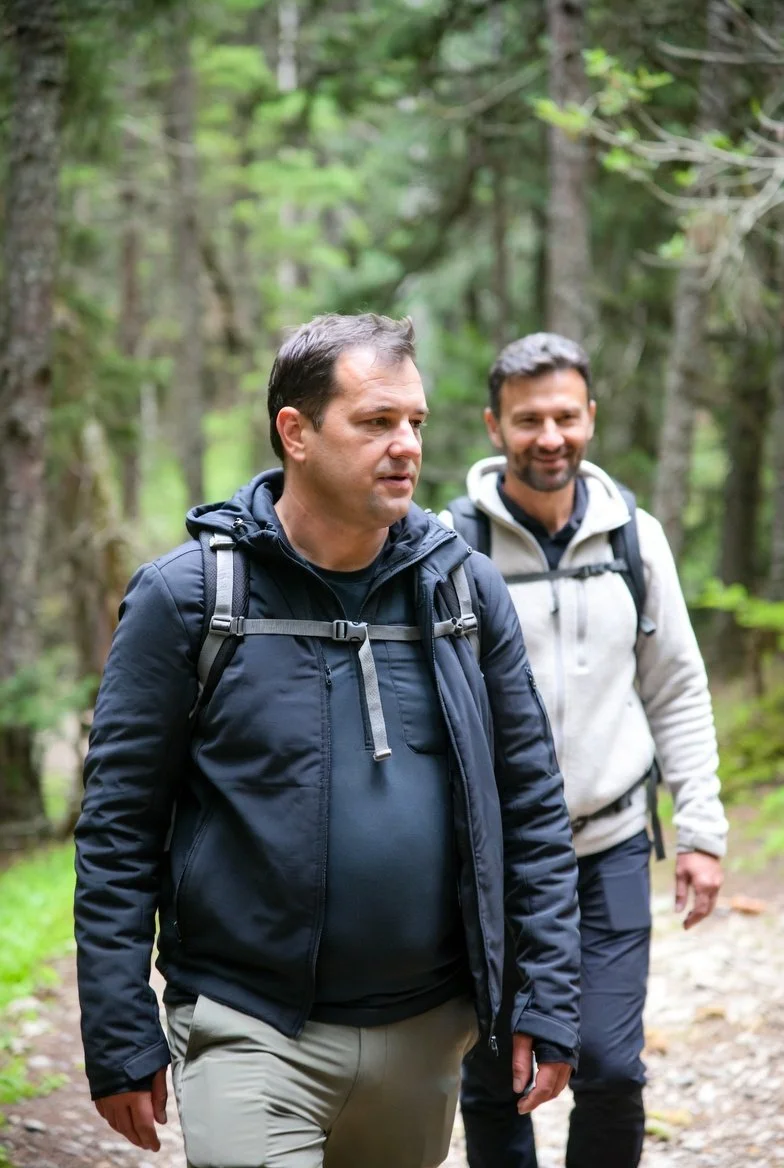
Why the Distinction Matters—for Everyone, and Especially for Gay, Bisexual & Queer Men

Most people who “want to look younger” aren’t actually chasing youth—they’re chasing vitality, confidence, and a sense of control over their health. But in today’s wellness landscape, two very different industries often get blended together: Longevity Medicine and Anti-Aging Aesthetics.

At Torre Prime, we work with all adults who want to live longer, stronger, and more connected lives—and we offer a dedicated space for gay, bisexual, and queer men who often face unique physiological and social stressors that mainstream healthcare rarely accounts for.
Understanding this difference isn’t just semantic—it changes what’s possible for your life, your healthspan, and your sense of agency.

Part 1: What Is Longevity Medicine?

Longevity medicine is evidence-based, preventive, deeply individualized medical care designed to:
• expand healthspan (the years lived disease-free)
• prevent the chronic diseases that drive most suffering
• preserve physical and cognitive function over decades
• optimize metabolic, hormonal, emotional, and social wellbeing
• add quality to your life—not just years

It follows a structured, physician-guided model similar to the Torre Prime approach:
Sentinel → Compass → Forge → Temple → Lighthouse → Mirror → Flame.
The focus is on assessment, precision diagnostics, and long-game planning.

Longevity medicine includes:
• Advanced labs and biomarker mapping
• Cancer-screening risk stratification
• ApoB-first lipid strategy and cardiovascular prevention
• Cognitive decline protection and Downstate recovery strategies
• Zone 2 and VO2max training
• Strength, power, and stability training (Centenarian Decathlon)
• Sleep architecture optimization
• Nutrition personalized by metabolic response
• Emotional health, relationships, and stress-load mapping
• Social connection design
• Hormone assessment and optimization only when appropriate

It’s built on measurable science and clear goals—not the fear of aging.

Part 2: What Is Anti-Aging Aesthetics?

Anti-aging aesthetics aims to modify appearance, not biology.
This includes:
• Botox, fillers, neuromodulators
• Laser treatments
• Peels, microneedling
• Surgical procedures
• Hair-removal or hair-restoration treatments
• Skin tightening and smoothing

These treatments can be confidence-enhancing, useful, and safe when done well. But they don’t address:
• metabolic dysfunction
• cardiovascular risk
• inflammatory pathways
• mitochondrial aging
• muscle loss
• cognitive decline
• sleep fragmentation
• social disconnection
• emotional burnout
• longevity-relevant hormone patterns

They treat surface phenotype, not root-cause physiology.

Part 3: Why the Confusion Happens

Most people know what Botox does.
Few people know their apoB, their zone 2 threshold, or what a CAC score actually predicts.

The aesthetic world is visible and immediate; longevity medicine is slower, quieter, and more transformative.
Both matter—but they serve different human needs.

At Torre Prime, we’re not anti-aesthetics. Aesthetic treatments make sense for many people. But they’re not a substitute for medical longevity.

Part 4: Why This Difference Matters Especially for Gay, Bisexual & Queer Men

This community often lives with:
• higher minority stress load
• elevated cortisol and autonomic imbalance
• higher rates of sleep fragmentation
• higher risk for metabolic and cardiovascular issues
• unique sexual-health patterns
• culturally driven body-image pressures
• high social emphasis on youthfulness
• community-driven appearance norms

Anti-aging aesthetics often becomes the first stop, when what’s truly needed is a deeper medical foundation.
Longevity medicine provides:
• metabolic resilience
• strength and joint protection
• heart-attack and stroke prevention
• cognitive and emotional stability
• sexual vitality over decades
• hormone pattern optimization when appropriate
• sustainable energy
• extended quality years

This is not about chasing youth—it’s about protecting the body you want to live in.

Part 5: How to Decide Which You Need

You might be a good fit for longevity medicine if you want to:
• feel stronger, clearer, more energetic
• prevent disease long before symptoms appear
• improve sleep, metabolic health, sexual vitality
• reduce inflammation and injury risk
• build a decades-long physical foundation
• enhance confidence from the inside out

You might be a good fit for aesthetic care if you want to:
• soften lines
• improve skin texture
• reshape or enhance specific features
• address visible signs of aging
• boost self-image through appearance-based change

Many people benefit from both, but the order matters:
Aesthetics layered on top of a healthy foundation looks better, lasts longer, and reduces risk.

Part 6: Why Torre Prime Focuses on Longevity First

Because no aesthetic treatment can compete with:
• well-regulated inflammation
• healthy mitochondria
• stable blood sugar
• strong muscle and powerful joints
• a resilient cardiovascular system
• deep structured sleep
• a nervous system not living in threat mode
• a life filled with connection and meaning

That’s why Torre Prime exists for everyone—with specialized expertise for gay, bi, and queer men who’ve historically been underserved in preventive medicine.

We don’t sell youth.
We teach you how to build a durable, vital, connected life.

Closing Message

Aesthetic medicine can enhance confidence.
Longevity medicine changes your life.

When these two worlds are understood clearly, you can choose the path—or the combination—that aligns with your long-term wellbeing.

If you want to explore where you fit, Torre Prime offers a welcoming, inclusive consultation space for anyone ready to build a healthier future.

Read More

The True Cost of Waiting: What Delaying Longevity Care Might Cost You in Your 40s and 50s

Gay men often spend years optimizing everything but their health. The real power move is starting longevity care before symptoms appear — because waiting costs more than you think. - Gabriel Felsen MD

Most men tell themselves they’ll start taking health seriously “soon.” But soon often turns into later — and later can quietly steal years of vitality, strength, and confidence. At Torre Prime, we help men, especially gay and bisexual men, move from surviving to thriving by optimizing metabolism, hormones, strength, sleep, and purpose.

Because when you wait on longevity, you pay for it — in money, time, and freedom.

1. Waiting costs you energy and performance

After 40, testosterone, muscle mass, and recovery all decline about 1–2 % per year. For gay men, that can mean lower libido, slower recovery from workouts, less drive, and more fatigue — all of which can be mistaken for “just aging.” Longevity medicine helps reverse those trends before they become your new normal.

2. Waiting costs you healthspan

The real goal isn’t just to live longer — it’s to stay strong, sharp, and sexually alive longer. When you put off blood work, cardiovascular training, and hormone optimization, small metabolic changes (like rising ApoB, insulin, and body fat) silently build up risk for heart disease, diabetes, and cognitive decline.

Ten years of delay can mean ten fewer years of high-quality living.

3. Waiting costs you money

The Milken Institute estimates that poor metabolic health costs Americans more than $1 trillion each year in direct and indirect expenses. Preventive longevity care — labs, fitness, coaching, hormone optimization — costs a fraction of what managing chronic illness later will.

A simple comparison:

  • Investing about $5,000 per year in precision longevity care during your 40s – 50s can help prevent or delay major disease.

  • A single cardiac event, cancer treatment, or prolonged disability can easily exceed $100,000 in medical and lost-income costs.

Starting early isn’t expensive — waiting is.

4. Waiting costs you confidence and connection

In the gay community, health, body image, and vitality carry emotional weight. Feeling strong, focused, and sexually confident isn’t vanity — it’s alignment between your physical body and your sense of self. When you neglect your energy, hormones, or fitness, it doesn’t just affect your labs — it affects how you show up in relationships and in life.

The Torre Prime Approach

Our philosophy blends the science of Outlive, Good Energy, Forever Strong, and The Power of the Downstate:

  • Prevent the Four Horsemen — heart disease, cancer, metabolic dysfunction, and cognitive decline.

  • Build strength and stability so your body supports your desires and goals.

  • Honor recovery — because your downstate (sleep, parasympathetic balance, connection) is where the magic happens.

  • Embrace identity and purpose — because longevity without meaning isn’t living, it’s maintenance.

The Bottom Line

If you’re a gay man in your 40s or 50s, the most important investment you can make isn’t a supplement or gym membership — it’s time. Every year you delay building your longevity plan, the cost of catching up rises.

Start now. Get your baselines. Build strength. Optimize your recovery. Protect your hormones, heart, and brain.

Because the true cost of waiting isn’t what you spend on longevity care — it’s what you lose when you don’t.

Gabriel Felsen MD | Torre Prime | Longevity. Vitality. Connection.

Read More