
The Silent Decades Where Dementia Is Decided

Dementia Doesn’t Begin With Memory Loss

By the time someone forgets names, misplaces words, or struggles with daily tasks, the disease process has often been unfolding for 20 to 30 years.

Dementia does not arrive suddenly.
It develops quietly—during the decades when people feel functional, busy, and “mostly fine.”

Those years are where outcomes are decided.

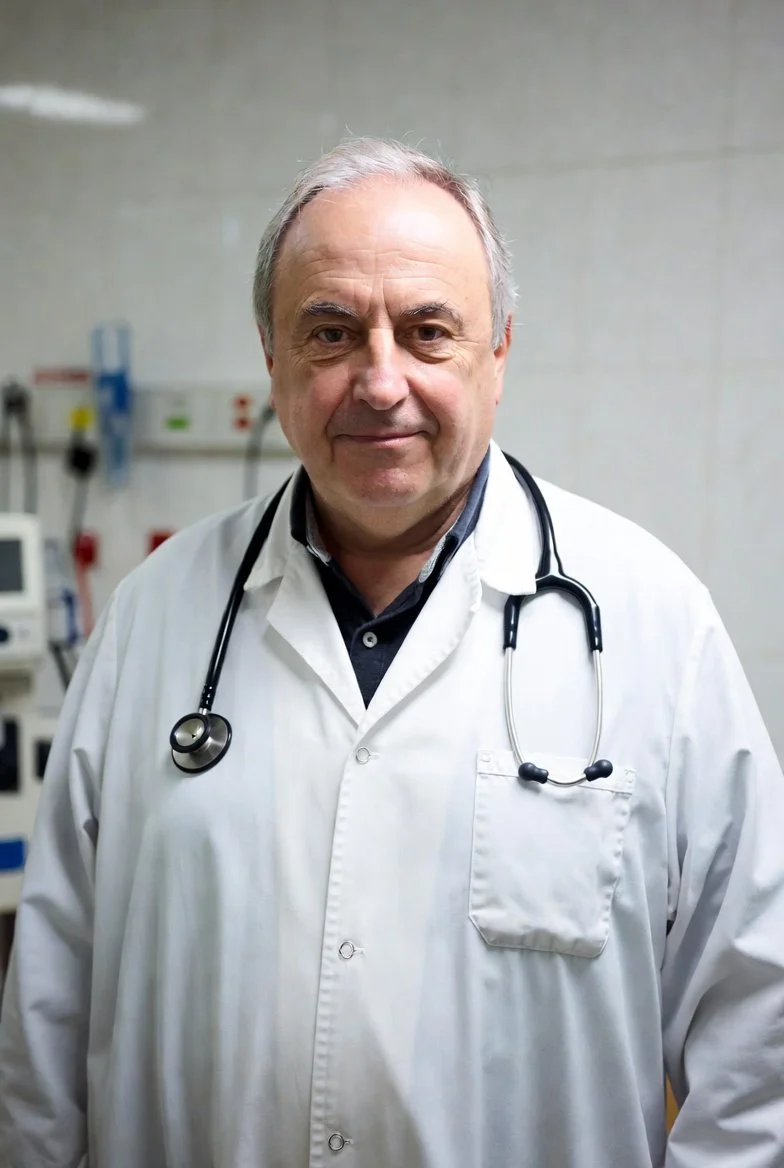
At Torre Prime, we treat cognitive decline not as a late-life event, but as the long-term consequence of metabolic, vascular, physical, and lifestyle patterns established in midlife and earlier. - Gabriel Felsen MD
Dementia Doesn’t Begin With Memory Loss

By the time someone forgets names, misplaces words, or struggles with daily tasks, the disease process has often been unfolding for 20 to 30 years.

Dementia does not arrive suddenly.
It develops quietly—during the decades when people feel functional, busy, and “mostly fine.”

Those years are where outcomes are decided.

At Torre Prime, we treat cognitive decline not as a late-life event, but as the long-term consequence of metabolic, vascular, physical, and lifestyle patterns established in midlife and earlier.

Dementia Is a Systems Failure, Not a Single Disease

Alzheimer’s disease and related dementias are best understood as the downstream result of multiple interacting systems under chronic stress:

  • Impaired glucose regulation and insulin resistance

  • Vascular injury and reduced cerebral blood flow

  • Chronic inflammation

  • Loss of muscle mass and physical capacity

  • Poor sleep and circadian disruption

  • Sensory deprivation, especially hearing loss

  • Chronic stress, isolation, and reduced meaning

This is why no pill, supplement, or puzzle can “solve” dementia.

The brain reflects the health of the body that supports it.

The Longevity Methods That Shape Cognitive Outcomes Early

Metabolic Stability Comes First

One of the earliest and most overlooked drivers of cognitive decline is chronic glucose instability.

Long before diabetes appears, repeated glucose spikes and insulin resistance:

  • Damage small cerebral blood vessels

  • Increase neuroinflammation

  • Impair neuronal energy metabolism

This is why Alzheimer’s is sometimes referred to as type 3 diabetes.

At Torre Prime, we often use continuous glucose monitoring (CGM) preventively—not to label disease, but to reveal patterns that quietly erode brain resilience over time.

A stable brain requires a stable metabolic environment.

Vascular Health Is Brain Health

Your brain consumes roughly 20% of your body’s oxygen and energy.
It is exquisitely dependent on healthy blood flow.

Over decades, elevated blood pressure, atherogenic lipoproteins, and endothelial dysfunction create:

  • Microinfarcts

  • White matter disease

  • Reduced cognitive reserve

Protecting the brain means protecting:

  • Blood pressure

  • ApoB-driven lipid risk

  • Aerobic capacity

  • Endothelial function

Dementia prevention and cardiovascular prevention are inseparable.

Muscle Is Cognitive Insurance

Skeletal muscle is not cosmetic tissue.
It is a metabolic and endocrine organ that protects the brain.

Loss of muscle mass is associated with:

  • Higher dementia risk

  • Faster cognitive decline

  • Increased vulnerability to neurologic injury

Resistance training and adequate protein intake improve:

  • Insulin sensitivity

  • Inflammatory balance

  • Neurotrophic signaling

This is why Torre Prime places strength training within THE TEMPLE: Physical Power & Performance phase—not for aesthetics, but for long-term neurologic resilience.

Sleep Is Active Brain Maintenance

During deep sleep, the brain clears metabolic waste through the glymphatic system, including beta-amyloid.

Chronic sleep fragmentation leads to:

  • Accelerated amyloid accumulation

  • Impaired memory consolidation

  • Increased neurodegeneration

Longevity-focused sleep optimization includes:

  • Consistent sleep and wake times

  • Morning light exposure

  • Evening light and stimulant control

  • Early identification of sleep apnea

Sleep is not passive rest.
It is scheduled brain maintenance.

Hearing Loss Quietly Accelerates Cognitive Decline

Untreated hearing loss is one of the strongest modifiable risk factors for dementia.

When auditory input is reduced:

  • Cognitive load increases

  • Social engagement declines

  • Neural networks receive less stimulation

At Torre Prime, hearing evaluation is a standard component of cognitive and longevity assessments.

A brain deprived of input adapts—by shrinking its capacity.

Balance and Stability Reflect Brain Health

Balance is not just musculoskeletal—it is neurologic.

Stability training:

  • Strengthens cerebellar pathways

  • Improves proprioceptive feedback

  • Preserves reaction time and coordination

Falls are often the first outward sign of declining neurologic integration.
Training balance early helps preserve neural connectivity later.

Chronic Stress and Isolation Reshape the Brain

Long-term stress elevates cortisol, accelerates hippocampal atrophy, and suppresses neurogenesis.

Longevity-based cognitive protection includes:

  • Nervous system regulation

  • Meaningful social connection

  • Purpose-driven identity alignment

This work lives within THE LIGHTHOUSE and THE HORIZON phases of Torre Prime—because cognition is inseparable from emotional and existential health.

Dementia Prevention Happens Quietly—or Not at All

There is no dramatic moment where dementia prevention begins.

It happens through:

  • How you eat

  • How you train

  • How you sleep

  • How you recover

  • How you stay connected

At Torre Prime, we structure this work through:

  • THE SENTINEL — early risk mapping

  • THE COMPASS — translating data into direction

  • THE FORGE & TEMPLE — metabolic and physical resilience

  • THE LIGHTHOUSE — sleep, stress, and cognition

  • THE SUMMIT — integration and long-term refinement

By the time memory fails, the silent decades have already spoken.

The Bottom Line

Dementia is not inevitable.
But prevention is not passive.

If you want your mind to last, you must build the conditions that allow it to thrive—long before decline announces itself.

Longevity is not about living longer.
It is about staying yourself while you do.

Read More

Why Most Doctors Don’t Have a Longevity Plan — And Why That Means Risk for You

The uncomfortable truth: most doctors do not practice longevity medicine.

If you’ve ever wondered why your annual physical feels brief, reactive, or disconnected from your long-term goals, there’s a reason.
Most doctors don’t have a structured longevity plan for themselves — and therefore can’t build one for you.

This isn’t about intelligence. It isn’t about caring. Physicians care deeply.
It’s about the system they’re trained in.

And the consequences for patients are real: delayed diagnoses, missed risk signals, preventable disease, fragmented guidance, and the quiet erosion of healthspan.

Let’s break down why this happens — and how choosing a practice built on a true longevity framework radically changes your outcomes. - Gabriel Felsen MD

The uncomfortable truth: most doctors do not practice longevity medicine.

If you’ve ever wondered why your annual physical feels brief, reactive, or disconnected from your long-term goals, there’s a reason.
Most doctors don’t have a structured longevity plan for themselves — and therefore can’t build one for you.

This isn’t about intelligence. It isn’t about caring. Physicians care deeply.
It’s about the system they’re trained in.

And the consequences for patients are real: delayed diagnoses, missed risk signals, preventable disease, fragmented guidance, and the quiet erosion of healthspan.

Let’s break down why this happens — and how choosing a practice built on a true longevity framework radically changes your outcomes.

Physicians are trained in crisis medicine, not prevention.

Medical school is extraordinary at teaching how to diagnose a heart attack.
It is not designed to teach how to avoid one 20 years before it happens.

The system rewards:

  • Treating disease, not preventing it

  • Speed, not depth

  • Reimbursement codes, not root-cause analysis

  • “Normal range” thinking, not optimal thinking

A typical primary care visit simply isn’t built for advanced risk prevention.
Longevity medicine is.

Attia’s Outlive describes this well — crisis medicine saves lives, but it was never meant to build healthspan. That requires a different skillset, different tools, and a different framework.

Most doctors don’t have time for their own health, let alone a personalized plan.

Doctors are some of the most overworked professionals in the world. Burnout rates are at historic highs. And when a physician’s schedule allows almost no time for their own structured health plan, they cannot authentically guide one for someone else.

A longevity plan requires:

  • Baseline diagnostics

  • Deep metabolic assessment

  • Cognitive risk mapping

  • Fitness and mobility testing

  • Sleep analysis

  • Nutrition strategy aligned with biochemistry

  • Follow-through

Traditional training simply doesn’t provide the infrastructure for this.

At Torre Prime, we built that infrastructure first — then built the patient experience on top of it.

Medical culture often accepts decline as “normal.”

This is one of the most damaging assumptions in modern healthcare.

Fatigue? “Getting older.”
Weight gain? “Slowing metabolism.”
Brain fog? “Stress probably.”
Low libido? “Happens with age.”
ApoB of 130? “Probably fine.”

None of this is actually normal — it’s just common.

Longevity medicine rejects the idea that decline is inevitable. It asks:

How do we create the best possible health, performance, and clarity for the longest possible time?

This is where mitochondrial health, muscle-centric longevity, and nervous system and sleep regulation integrate into one consistent system.

Doctors rarely get trained in metabolic health, strength training, or VO₂max optimization.

Your lifespan is closely linked to your muscle mass, functional strength, metabolic flexibility, and cardiovascular capacity — the “centenarian decathlon” principles.

Most physicians do not receive training in:

  • Strength periodization

  • Zone 2 conditioning

  • VO₂max development

  • HRV and autonomic balance

  • DNS-style stability and mobility

  • Sarcopenia prevention

  • Nutrition for mitochondrial efficiency

These are not fringe strategies — they are survival strategies.
And they are not covered in traditional medical education.

This leaves patients with vague advice like “exercise more” instead of the precision needed to bend the aging curve.

The medical system is not built to keep you well — it’s built to keep you alive.

These are very different goals.

Traditional care focuses on:

  • Managing blood pressure

  • Preventing hospitalizations

  • Controlling symptoms

Longevity care focuses on:

  • Adding decades of high-quality living

  • Preventing the Four Horsemen of chronic disease

  • Expanding cognitive, physical, and emotional capacity

  • Personalizing strategies to your genetics, labs, sleep, metabolism, and lifestyle

  • Building a healthier baseline every year

If traditional medicine is the fire department, longevity medicine is architecture — designing the structure so the fire never starts.

When your doctor doesn’t have a longevity plan, you end up reacting instead of leading.

Without a roadmap, you get:

  • Annual physicals that feel generic

  • “Normal” labs that miss early disease signals

  • Unclear advice about diet, supplements, and exercise

  • No strategy for metabolic health or cognitive aging

  • Fragmented recommendations from specialists who don’t talk to each other

  • The creeping feeling that something’s “off,” but no one is connecting the dots

A longevity plan eliminates all of this.

At Torre Prime, every patient receives:

  • Sentinel: advanced risk mapping

  • Compass: personalized 90-day execution plan

  • Forge: metabolic optimization

  • Temple: strength, VO₂max, and mobility

  • A single physician who knows every layer of your data, story, and goals

This is not concierge medicine.
This is structured, evidence-based healthspan engineering.

So why does this gap matter for you?

Because most age-related disease starts quietly, slowly, and decades before symptoms.
Without a longevity plan, you’re navigating blind.

A structured longevity framework means:

  • You understand your risk long before it becomes disease

  • You train your body for the next decade, not the last one

  • You protect your brain and cognitive future

  • You build metabolic resilience instead of waiting for a diagnosis

  • You sleep better, recover better, and age slower

  • You gain clarity, purpose, and direction

Longevity is not a trend — it is the evolution of modern medicine.
And it only works when it is intentional.

The takeaway

Most doctors don’t have a longevity plan because the system wasn’t designed to create one.

But your life is long enough, valuable enough, and meaningful enough to deserve more than “reactive healthcare.”

You deserve a roadmap — tailored, precise, and built for the long game.

If you’re ready to know where you stand and what to do next, start with The Sentinel.
It’s the foundation of every transformation we create at Torre Prime.

Read More