
The Forgotten Foundation: Pelvic Health, Sexual Function, and Longevity
Why pelvic health belongs in every longevity conversation
When people talk about longevity, they usually think about heart disease, metabolism, muscle mass, or brain health. Pelvic health rarely makes the list. That omission matters.
Your pelvic floor is a central hub where movement, circulation, nerve signaling, continence, sexual function, and core stability intersect. When it’s strong, coordinated, and responsive, sexual function improves, injuries decline, confidence rises, and quality of life extends well into later decades. When it’s neglected, subtle dysfunction often shows up years before more obvious decline.
At Torre Prime, pelvic health sits at the intersection of THE TEMPLE (physical power & performance) and THE FLAME (vitality, intimacy & purpose)—because longevity isn’t just about living longer. It’s about staying functional, connected, and alive in your body.

Why pelvic health belongs in every longevity conversation
When people talk about longevity, they usually think about heart disease, metabolism, muscle mass, or brain health. Pelvic health rarely makes the list. That omission matters.
Your pelvic floor is a central hub where movement, circulation, nerve signaling, continence, sexual function, and core stability intersect. When it’s strong, coordinated, and responsive, sexual function improves, injuries decline, confidence rises, and quality of life extends well into later decades. When it’s neglected, subtle dysfunction often shows up years before more obvious decline.
At Torre Prime, pelvic health sits at the intersection of THE TEMPLE (physical power & performance) and THE FLAME (vitality, intimacy & purpose)—because longevity isn’t just about living longer. It’s about staying functional, connected, and alive in your body.
The pelvic floor: not just “Kegels”
The pelvic floor is a dynamic sling of muscles, fascia, nerves, and blood vessels that:
Stabilizes the spine and hips
Coordinates with breathing and core control
Regulates bladder and bowel function
Supports erections, ejaculation, orgasm, and vaginal tone
Influences blood flow to genital tissues
Pelvic dysfunction often begins silently—through tightness, weakness, or poor coordination—long before pain, erectile dysfunction, or incontinence appear.
Longevity requires balance, not just strength. An over-tight pelvic floor can impair blood flow and nerve signaling just as much as a weak one.
Sexual function is a downstream signal
Sexual health is one of the earliest indicators of systemic decline—and one of the most sensitive to pelvic dysfunction.
Because sexual response depends on precise timing between muscle contraction, relaxation, blood inflow, and nerve signaling, it often reveals problems years before standard medical metrics do. From a Medicine 3.0 lens, this is early signal detection—not symptom chasing.
Pelvic health looks different for women, gay men, and straight men
Pelvic health is universal—but how dysfunction shows up, what people notice first, and what gets ignored varies by anatomy, sexual practices, cultural messaging, and medical blind spots. Longevity medicine has to name those differences directly.
For women: strength and safety
Women are often introduced to pelvic health only after something goes wrong—childbirth injury, urinary leakage, prolapse, or pain with sex. But dysfunction frequently starts years earlier, driven by factors such as pregnancy and delivery trauma (even decades later), chronic breath-holding or bracing, hormonal shifts across perimenopause and menopause, and high-impact training without pelvic coordination.
Early signals may include:
Pain with penetration or tampon use
Leaking with coughing, running, or lifting
Pelvic pressure or heaviness
Reduced orgasm intensity
These symptoms are often normalized as “just aging.” From a longevity perspective, they’re early warnings, not inevitabilities. Pelvic care here isn’t about “tightening”; it’s about control, relaxation, load tolerance, and nervous system safety.
For straight men: performance is not just blood flow
Straight men are commonly taught to view sexual function through erections and testosterone alone. The pelvic floor, however, directly affects erectile rigidity, ejaculatory control, orgasm quality, and urinary control.
Early pelvic-related signs can include:
Erections that start strong but fade quickly
Difficulty maintaining firmness during position changes
Pelvic or perineal tension
Low-back or hip tightness paired with sexual symptoms
Pursuing medications or supplements without addressing pelvic coordination may limit results and miss the root cause. From a longevity lens, many sexual changes are neuromuscular and movement problems first, vascular or hormonal problems second.
For gay men: a uniquely under-addressed system
Gay men often experience pelvic health stressors that are rarely screened for or openly discussed in medical settings.
These may include:
Chronic pelvic floor tension related to receptive sex
Pain, guarding, or altered sensation
Difficulty with erection or orgasm despite intact libido
Anxiety-driven muscle bracing and shame-based disconnection
Because receptive anal sex requires relaxation, coordination, and trust in the pelvic floor, dysfunction may appear earlier—but is more likely to remain hidden due to stigma or clinician discomfort. Effective care here is neuromuscular, psychological, and relational, aligning directly with THE FLAME: vitality, intimacy, confidence, and embodied presence.
Pelvic health and longevity are inseparable
Pelvic dysfunction doesn’t exist in isolation. It correlates with broader longevity risks:
Falls & instability: poor pelvic control compromises gait and balance
Chronic pain: common overlap with low-back, hip, and SI joint pain
Sedentary avoidance: pain or embarrassment reduces training consistency
Hormonal feedback loops: sexual inactivity can reinforce low libido, mood changes, and stress responses
From a longevity perspective, these are early signals—opportunities for prevention.
Training the pelvic floor the longevity way
Pelvic health should be trained like any other performance system: assessed, individualized, and integrated.
Longevity-aligned pelvic care emphasizes:
Coordinated breathing and diaphragm–pelvic floor timing
Load tolerance during squats, hinges, and carries
Relaxation as much as contraction
Sexual-function–specific motor control
Postural alignment and hip mobility
Generic “do Kegels” advice could worsen symptoms if tightness or poor coordination is the real issue.
Where this fits in the Torre Prime framework
Pelvic health spans multiple Torre Prime phases:
THE SENTINEL — early symptoms, sexual changes, continence clues
THE COMPASS — translating signals into targeted direction
THE TEMPLE — strength, stability, and movement integration
THE FLAME — sexual vitality, confidence, and connection
This isn’t niche care. It’s foundational care.
The long view: aging with agency
Longevity isn’t just about avoiding disease—it’s about preserving agency: moving freely, enjoying intimacy, controlling your body, and feeling at home in yourself as decades pass.
Pelvic health protects that agency.
If you want to be strong at 80, sexually engaged at 70, and confident in your body at every age in between, the pelvic floor cannot be an afterthought.
Most Back Pain Doesn’t Need Surgery: The Torre Prime Guide to Real Recovery, Real Strength, and Real Longevity
Why therapy, precision-based exercise, and Stuart McGill–style spine science outperform quick fixes.
Back pain is one of the most common reasons people seek medical care. It’s also one of the most over-treated and poorly treated conditions in the modern medical system. Every year, more than a million Americans undergo spine surgeries—yet a significant percentage of these were never necessary and never address the root cause.
At Torre Prime, we see a different path forward. One rooted in longevity science, functional resilience, and what researchers like Stuart McGill have shown for decades:
Most back pain is mechanical, modifiable, and highly responsive to the right combination of coaching, movement, stabilization, and intelligent loading—not surgery, opioids, or endless MRIs. - Gabriel Felsen
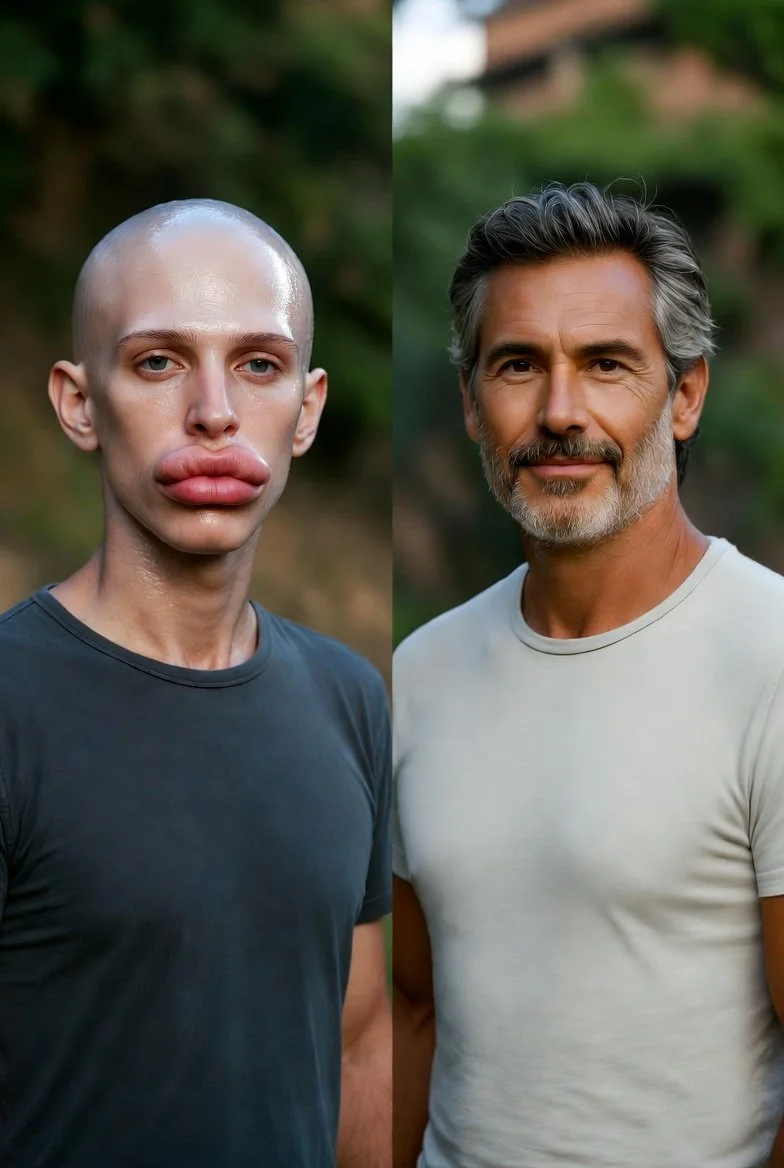
Why therapy, precision-based exercise, and Stuart McGill–style spine science outperform quick fixes.
Back pain is one of the most common reasons people seek medical care. It’s also one of the most over-treated and poorly treated conditions in the modern medical system. Every year, more than a million Americans undergo spine surgeries—yet a significant percentage of these were never necessary and never address the root cause.
At Torre Prime, we see a different path forward. One rooted in longevity science, functional resilience, and what researchers like Stuart McGill have shown for decades:
Most back pain is mechanical, modifiable, and highly responsive to the right combination of coaching, movement, stabilization, and intelligent loading—not surgery, opioids, or endless MRIs.
The Problem With Insurance-Driven Back Pain Care
Traditional insurance-driven medicine creates a perfect storm:
1. Over-imaging → Over-diagnosis
MRI findings don’t correlate well with pain.
Disc bulges, mild degenerative changes, or annular tears show up in pain-free people every day. But once they’re on the report, fear escalates, surgeons get involved, and everything spirals.
2. Fast referrals to specialists who specialize in… surgery
If the only tool is a hammer, every problem looks like a nail.
Patients are rushed toward injections or surgery long before they’ve had targeted, evidence-based rehab.
3. Under-prescribed physical therapy
Insurance caps PT visits, pays poorly for long appointments, and often constrains therapists to “generic low-back pain protocols.”
True spine rehab requires precision, coaching, time, and individualization—not 8 minutes of Theraband exercises.
4. Painkillers instead of root-cause analysis
Opioids, muscle relaxers, and steroids can mask pain but rarely solve anything.
5. No one teaches the patient how to move
Most back pain is aggravated by everyday mechanics:
How you get out of a car
How you bend to tie a shoe
How you lift groceries
How you sit at work
These habits matter more than an MRI ever will.
Torre Prime was built to fix exactly these failures.
The McGill Model: The Gold Standard for Spine Longevity
Stuart McGill, PhD—arguably the world’s leader in spine biomechanics—has shown that most chronic back pain improves through:
1. Removing the painful triggers
Not with rest, but by identifying which movements cause the pain.
2. Rebuilding stability
The “Big 3” (McGill curl-up, side plank, bird dog) are foundational.
Not flashy, but incredibly effective.
3. Teaching spine-sparing movement patterns
Hip hinge
Neutral spine
Bracing
Power breathing
These are longevity tools.
4. Progressive loading and resilience
A spine that is strong, stable, and well-conditioned is a spine that lasts.
No surgery required.
No injections.
No unnecessary imaging.
Just science, coaching, and disciplined precision.
This is the essence of how Torre Prime approaches back pain within the broader longevity framework:
Build the body. Build capacity. Build resilience. Build the future.
Why Back Pain Is Different for Different People
A special section for Straight Men, GBQ Men, and Women
Back pain doesn’t show up in a vacuum. It interacts with lifestyle, culture, identity, expectations, and stress patterns. Torre Prime recognizes these nuances—because personalization is central to longevity.
For Straight Men: “Strength ≠ Ignoring Pain”
Many straight men have been conditioned to “tough it out,” ignore early symptoms, and push through mechanical flaws until something tears, spasms, or breaks.
Common patterns we see:
Weekend warrior injuries
Poor hip/ankle mobility from desk jobs
Heavy lifting with poor mechanics
Avoiding medical care until pain is severe
Belief that surgery is the “fix”
What they need:
A science-driven, ego-free approach that rewrites movement patterns, rebuilds true core strength, restores mobility, and gives them back confidence in their body without the “take a pill and go” culture.
At Torre Prime, we emphasize:
Performance-based spine health
Stability work as strength, not weakness
A long-term “decathlon mentality” over quick fixes
For GBQ Men: “Your Body Is Central to Your Identity—Protect It”
Many gay, bisexual, and queer men live in environments where physical expression, sexuality, aesthetics, and performance all intersect. Back pain affects:
Confidence
Sexual expression
Energy
Fitness identity
Emotional regulation
GBQ men also face unique stress pathways (Minority Stress Theory) that increase muscle tension, sleep disruption, and systemic inflammation—factors that amplify pain.
Common patterns we see:
Tight hip flexors/glutes from high-intensity training
Sedentary desk work + nightlife cycles
Stress-driven bracing patterns
Postural imbalances from aesthetic-driven training
Fear of losing physical capacity or sexual vitality
What they need:
A longevity-driven model that accounts for biomechanics, stress physiology, sexual health, and the cultural expectations placed on GBQ men’s bodies.
Torre Prime specializes in this—because this is your community’s space in the program.
For Women: “Back Pain Isn’t ‘All In Your Head’”
Women are too often dismissed or minimized in traditional medicine. Back pain is written off as:
Stress
Hormones
“Weak core”
“Just part of aging”
Women face unique contributors to back dysfunction:
Pelvic floor imbalances
Pregnancy-related changes
Hormonal shifts
Osteopenia/osteoporosis risk
Hypermobile joints
Undiagnosed sacroiliac dysfunction
What they need:
Precision assessment, not dismissal.
Strength development, not patronizing explanations.
A longevity program that honors how women’s bodies actually move, age, and adapt.
Torre Prime has now expanded to fully include women—and this is exactly why:
Women deserve more than the insurance-driven standard. They deserve science, respect, and results.
How Torre Prime Treats Back Pain Differently
1. Precision biomechanical evaluation
We assess patterns, not just pain.
2. A Stuart McGill–inspired stabilization program
Customized. Progressive. Measurable.
3. Movement-based diagnosis
We test what makes your pain better or worse—this guides everything.
4. Longevity principles
We integrate:
Zone 2 training
VO₂max development
Strength and stability protocols
Anti-inflammatory nutrition
Sleep optimization
Stress physiology
Recovery states (Downstate cycles)
5. High-touch care → No insurance limitations
Long appointments
Real coaching
Integrated training plans
Data-driven progress metrics
And yes—access to your physician whenever you need guidance.
The Truth
Most people don’t need back surgery.
They need:
Better movement
Better coaching
Better strength
Better recovery
Better long-term planning
They need a longevity framework, not a pain-management treadmill.
They need Torre Prime.
Longevity Medicine vs. Anti-Aging Aesthetics: What’s the Real Difference?
Most people who “want to look younger” aren’t actually chasing youth—they’re chasing vitality, confidence, and a sense of control over their health. But in today’s wellness landscape, two very different industries often get blended together: Longevity Medicine and Anti-Aging Aesthetics. - Gabriel Felsen MD
Why the Distinction Matters—for Everyone, and Especially for Gay, Bisexual & Queer Men
Most people who “want to look younger” aren’t actually chasing youth—they’re chasing vitality, confidence, and a sense of control over their health. But in today’s wellness landscape, two very different industries often get blended together: Longevity Medicine and Anti-Aging Aesthetics.
At Torre Prime, we work with all adults who want to live longer, stronger, and more connected lives—and we offer a dedicated space for gay, bisexual, and queer men who often face unique physiological and social stressors that mainstream healthcare rarely accounts for.
Understanding this difference isn’t just semantic—it changes what’s possible for your life, your healthspan, and your sense of agency.
Part 1: What Is Longevity Medicine?
Longevity medicine is evidence-based, preventive, deeply individualized medical care designed to:
• expand healthspan (the years lived disease-free)
• prevent the chronic diseases that drive most suffering
• preserve physical and cognitive function over decades
• optimize metabolic, hormonal, emotional, and social wellbeing
• add quality to your life—not just years
It follows a structured, physician-guided model similar to the Torre Prime approach:
Sentinel → Compass → Forge → Temple → Lighthouse → Mirror → Flame.
The focus is on assessment, precision diagnostics, and long-game planning.
Longevity medicine includes:
• Advanced labs and biomarker mapping
• Cancer-screening risk stratification
• ApoB-first lipid strategy and cardiovascular prevention
• Cognitive decline protection and Downstate recovery strategies
• Zone 2 and VO2max training
• Strength, power, and stability training (Centenarian Decathlon)
• Sleep architecture optimization
• Nutrition personalized by metabolic response
• Emotional health, relationships, and stress-load mapping
• Social connection design
• Hormone assessment and optimization only when appropriate
It’s built on measurable science and clear goals—not the fear of aging.
Part 2: What Is Anti-Aging Aesthetics?
Anti-aging aesthetics aims to modify appearance, not biology.
This includes:
• Botox, fillers, neuromodulators
• Laser treatments
• Peels, microneedling
• Surgical procedures
• Hair-removal or hair-restoration treatments
• Skin tightening and smoothing
These treatments can be confidence-enhancing, useful, and safe when done well. But they don’t address:
• metabolic dysfunction
• cardiovascular risk
• inflammatory pathways
• mitochondrial aging
• muscle loss
• cognitive decline
• sleep fragmentation
• social disconnection
• emotional burnout
• longevity-relevant hormone patterns
They treat surface phenotype, not root-cause physiology.
Part 3: Why the Confusion Happens
Most people know what Botox does.
Few people know their apoB, their zone 2 threshold, or what a CAC score actually predicts.
The aesthetic world is visible and immediate; longevity medicine is slower, quieter, and more transformative.
Both matter—but they serve different human needs.
At Torre Prime, we’re not anti-aesthetics. Aesthetic treatments make sense for many people. But they’re not a substitute for medical longevity.
Part 4: Why This Difference Matters Especially for Gay, Bisexual & Queer Men
This community often lives with:
• higher minority stress load
• elevated cortisol and autonomic imbalance
• higher rates of sleep fragmentation
• higher risk for metabolic and cardiovascular issues
• unique sexual-health patterns
• culturally driven body-image pressures
• high social emphasis on youthfulness
• community-driven appearance norms
Anti-aging aesthetics often becomes the first stop, when what’s truly needed is a deeper medical foundation.
Longevity medicine provides:
• metabolic resilience
• strength and joint protection
• heart-attack and stroke prevention
• cognitive and emotional stability
• sexual vitality over decades
• hormone pattern optimization when appropriate
• sustainable energy
• extended quality years
This is not about chasing youth—it’s about protecting the body you want to live in.
Part 5: How to Decide Which You Need
You might be a good fit for longevity medicine if you want to:
• feel stronger, clearer, more energetic
• prevent disease long before symptoms appear
• improve sleep, metabolic health, sexual vitality
• reduce inflammation and injury risk
• build a decades-long physical foundation
• enhance confidence from the inside out
You might be a good fit for aesthetic care if you want to:
• soften lines
• improve skin texture
• reshape or enhance specific features
• address visible signs of aging
• boost self-image through appearance-based change
Many people benefit from both, but the order matters:
Aesthetics layered on top of a healthy foundation looks better, lasts longer, and reduces risk.
Part 6: Why Torre Prime Focuses on Longevity First
Because no aesthetic treatment can compete with:
• well-regulated inflammation
• healthy mitochondria
• stable blood sugar
• strong muscle and powerful joints
• a resilient cardiovascular system
• deep structured sleep
• a nervous system not living in threat mode
• a life filled with connection and meaning
That’s why Torre Prime exists for everyone—with specialized expertise for gay, bi, and queer men who’ve historically been underserved in preventive medicine.
We don’t sell youth.
We teach you how to build a durable, vital, connected life.
Closing Message
Aesthetic medicine can enhance confidence.
Longevity medicine changes your life.
When these two worlds are understood clearly, you can choose the path—or the combination—that aligns with your long-term wellbeing.
If you want to explore where you fit, Torre Prime offers a welcoming, inclusive consultation space for anyone ready to build a healthier future.
The Most Common Regrets Gay Men Have About Their Health in Their 50s
Many gay men reach their 50s wishing they had started caring for their metabolism, strength, sexual vitality, and emotional health sooner. In this article, Dr. Gabriel Felsen breaks down the most common regrets—and how modern longevity medicine can help you change your trajectory starting today.
When I meet gay men in their 50s—whether at my clinic, at community events, or in a telemedicine visit—there’s a pattern that appears so consistently it’s almost predictable.
A sense of “I wish I had started sooner.”
Not because they’ve done anything wrong, but because no one ever taught them how their body really works, what longevity actually means, or how gay men’s health differs from the general population.
Based on my clinical work, decades of lived community experience, longevity research, and many of the stories shared directly with me, here are the seven most common health regrets gay men express in their 50s—and more importantly, what you can do about them now.
1. “I wish I had taken my metabolism seriously earlier.”
Many gay men arrive in midlife feeling like their metabolism changed “overnight.”
It didn’t.
It was slowly drifting for decades.
The regret:
Not paying attention to abdominal fat, rising waist size, creeping blood sugar, or declining muscle mass until they suddenly mattered.
What this really reflects:
Untreated insulin resistance
Chronically elevated glucose swings
Loss of metabolic flexibility
Inconsistent protein intake
Lack of intentional strength training
What to do now:
A metabolic reset is absolutely possible in your 50s.
The tools are:
Continuous glucose monitoring (CGM)
Strength training 3–4 days/week
High-protein, low-sugar nutrition
Tracking waist circumference, not just weight
2. “I should have protected my brain earlier.”
Gay men disproportionately face chronic minority stress, sleep disruption, burnout, and cortisol dysregulation.
By the 50s, this shows up as:
Brain fog
Forgetfulness
Poor focus
Emotional reactivity
Decreased sleep quality
The regret:
Not treating the brain as a long-term investment.
The truth from modern longevity science:
Brain aging begins in our 40s.
APOE4 risk, sleep quality, metabolic health, and stress load all shape cognitive aging.
What to do now:
Prioritize sleep as a biological training zone
Reduce alcohol (and other things)
Train VO2 max, not just muscles
Optimize vitamin D, B12, Omega-3
Address loneliness and social isolation (huge for gay men)
3. “I wish I had kept my strength.”
By 50, most men have lost over 30% of their peak muscle mass unless they actively trained strength.
For gay men specifically:
Aesthetics often overshadow function in youth
Cardio is overemphasized
True strength training is often delayed until too late
The regret:
Not building the “muscle reserve” that determines how well you age after 60.
Medicine 3.0 reality:
Muscle is the most important organ of longevity.
What to do now:
Heavy strength training 2–3×/week
Grip, carry, squat, hinge, and pull
Track your centenarian decathlon movements
Protein target: 1g per lb of ideal body weight
4. “I wish I had protected my sexual vitality.”
Many gay men in their 50s tell me:
“I thought erectile changes were just part of aging.”
They’re not.
The regret:
Waiting until their 50s to address:
Erections
Testosterone changes
Performance anxiety
Dopamine-driven exhaustion
Porn desensitization
Partner misalignment
Shame-based avoidance of sexual healthcare
Gay sexual health is both physical and emotional.
Men often suffer silently, believing something is “wrong” with them.
What to do now:
Assess hormones (don’t guess)
Address metabolic health (huge for erections)
Manage performance anxiety and sleep
Consider Trimix, PDE5 inhibitors, or combination protocols
Treat sex as part of overall vitality—not a separate topic
5. “I wish I had addressed sleep decades ago.”
Gay men have higher rates of insomnia, inconsistent schedules, nightlife habits, and cortisol shifts related to chronic stress.
By your 50s, poor sleep accelerates:
Weight gain
Brain aging
Hypertension
Mood instability
Erectile dysfunction
The regret:
Not understanding that sleep is the most powerful longevity drug we have.
What to do now:
A consistent bedtime (10 PM is ideal)
Reduce blue light 2 hours before bed
Target 90 minutes of slow-wave sleep
Reduce alcohol and late-night eating
Prioritize parasympathetic recovery (Downstate)
6. “I wish I had gotten my screenings earlier.”
This one is huge.
Gay men often avoid—or are not guided toward—early screening for:
Colorectal cancer
Prostate cancer
Coronary calcium scores
ApoB and advanced lipid panels
Sleep apnea
Liver health
STI screening
HIV PrEP management
Bone density
The regret:
Assuming that “normal labs” mean optimal health.
What to do now:
Medicine 3.0 means testing early, testing deeply, and acting proactively—not reactively.
7. “I wish I hadn’t waited to build a support system.”
By age 50, many gay men discover an unexpected truth:
Longevity requires other people.
Yet:
Many lived portions of life in secrecy or shame
Many avoided forming deep community
Many lost friends to HIV
Many struggle with midlife dating or partnership
Many fear being alone as they age
The regret:
Not investing in emotional well-being and community sooner.
The truth:
Loneliness is as dangerous as smoking 15 cigarettes a day.
What to do now:
Rebuild chosen family
Create routine contact—weekly dinners, group chats, meet-ups
Practice vulnerability
Build friendships around shared health goals
Work with a longevity physician trained in mental and emotional health
Why These Regrets Matter—And Why They’re Not Fixed Destiny
Here’s the message I give every man who walks into Torre Prime:
Regret is information.
Not punishment.
Not fate.
Just information.
And when you use regret as data, not shame, you gain something incredibly rare in healthcare:
Control.
You can rewrite your 50s.
You can change your trajectory for your 60s.
And your 70s, 80s, and beyond can look radically different than your parents’ generation.
That’s the entire purpose of longevity medicine.
What Torre Prime Does for Gay Men in Their 40s and 50s
At Torre Prime, we treat gay men’s longevity as its own specialty.
Our framework includes:
Deep-dive metabolic testing
CGM-guided nutrition
Hormone and sexual vitality medicine
Sleep architecture optimization
The Centenarian Decathlon
Advanced labs (apoB, Lp(a), insulin, inflammatory markers)
Early cancer screening
Stress load analysis
Cognitive preservation
Emotional and relational health
Community-building strategies
Because gay men deserve health care that gets us—not just “tolerates” us.
You don’t have to wait until you’re 60 to start over.
You can start today.
Sexual Longevity: How Old Do You Want to Be When You Stop Having Sex?
At Torre Prime, we see sexual longevity as a reflection of your body’s entire system — a signal that your hormones, heart, and purpose are in alignment. - Gabriel Felsen MD
The Question No One Asks
We measure blood pressure, cholesterol, and body fat.
But have you ever measured your desire?
At Torre Prime, we invite every client to reflect on one simple but powerful question:
“How old do you want to be when you stop having sex?”
Because the truth is — you don’t have to.
Sexual Vitality = Whole-Body Health
Your sexual energy is a barometer of your overall biology.
When libido fades or performance changes, it often signals deeper imbalances in:
Hormones
Metabolism
Sleep recovery
Cardiovascular and nervous system health
The same arteries that support erections also support your brain and heart.
Optimizing one strengthens the others.
The Science of Desire
Modern longevity medicine teaches us that desire isn’t just about testosterone — it’s about energy management.
When your nervous system is balanced, your metabolism is flexible, and your recovery is deep, your body naturally restores the chemistry of attraction and intimacy.
That’s why we approach sexual health through our full Seven Pillars of Vital Longevity, integrating data from labs, sleep trackers, fitness metrics, and cognitive assessments to reveal how well your entire system is performing.
The Torre Prime Perspective
We believe sexuality is not something to be “fixed” — it’s something to be preserved and cultivated.
Our goal isn’t to make you feel young again; it’s to help you stay fully alive through every decade.
At Torre Prime, your sexual health plan may include:
Advanced hormonal and metabolic panels
Nitric oxide optimization
Cognitive and nervous system resilience training
Strength, mobility, and sleep protocols
Relationship and purpose-centered coaching
Because the real goal is not more sex — it’s more life in your sex.
The Invitation
So ask yourself:
How old do you want to be when you stop having sex?
If your answer is “never,” you’re in the right place.
Because longevity isn’t about living longer — it’s about living turned on.
Gabriel Felsen MD | Torre Prime | Longevity. Vitality. Connection.