The Forgotten Foundation: Pelvic Health, Sexual Function, and Longevity
Why pelvic health belongs in every longevity conversation
When people talk about longevity, they usually think about heart disease, metabolism, muscle mass, or brain health. Pelvic health rarely makes the list. That omission matters.
Your pelvic floor is a central hub where movement, circulation, nerve signaling, continence, sexual function, and core stability intersect. When it’s strong, coordinated, and responsive, sexual function improves, injuries decline, confidence rises, and quality of life extends well into later decades. When it’s neglected, subtle dysfunction often shows up years before more obvious decline.
At Torre Prime, pelvic health sits at the intersection of THE TEMPLE (physical power & performance) and THE FLAME (vitality, intimacy & purpose)—because longevity isn’t just about living longer. It’s about staying functional, connected, and alive in your body.
Why pelvic health belongs in every longevity conversation
When people talk about longevity, they usually think about heart disease, metabolism, muscle mass, or brain health. Pelvic health rarely makes the list. That omission matters.
Your pelvic floor is a central hub where movement, circulation, nerve signaling, continence, sexual function, and core stability intersect. When it’s strong, coordinated, and responsive, sexual function improves, injuries decline, confidence rises, and quality of life extends well into later decades. When it’s neglected, subtle dysfunction often shows up years before more obvious decline.
At Torre Prime, pelvic health sits at the intersection of THE TEMPLE (physical power & performance) and THE FLAME (vitality, intimacy & purpose)—because longevity isn’t just about living longer. It’s about staying functional, connected, and alive in your body.
The pelvic floor: not just “Kegels”
The pelvic floor is a dynamic sling of muscles, fascia, nerves, and blood vessels that:
Stabilizes the spine and hips
Coordinates with breathing and core control
Regulates bladder and bowel function
Supports erections, ejaculation, orgasm, and vaginal tone
Influences blood flow to genital tissues
Pelvic dysfunction often begins silently—through tightness, weakness, or poor coordination—long before pain, erectile dysfunction, or incontinence appear.
Longevity requires balance, not just strength. An over-tight pelvic floor can impair blood flow and nerve signaling just as much as a weak one.
Sexual function is a downstream signal
Sexual health is one of the earliest indicators of systemic decline—and one of the most sensitive to pelvic dysfunction.
Because sexual response depends on precise timing between muscle contraction, relaxation, blood inflow, and nerve signaling, it often reveals problems years before standard medical metrics do. From a Medicine 3.0 lens, this is early signal detection—not symptom chasing.
Pelvic health looks different for women, gay men, and straight men
Pelvic health is universal—but how dysfunction shows up, what people notice first, and what gets ignored varies by anatomy, sexual practices, cultural messaging, and medical blind spots. Longevity medicine has to name those differences directly.
For women: strength and safety
Women are often introduced to pelvic health only after something goes wrong—childbirth injury, urinary leakage, prolapse, or pain with sex. But dysfunction frequently starts years earlier, driven by factors such as pregnancy and delivery trauma (even decades later), chronic breath-holding or bracing, hormonal shifts across perimenopause and menopause, and high-impact training without pelvic coordination.
Early signals may include:
Pain with penetration or tampon use
Leaking with coughing, running, or lifting
Pelvic pressure or heaviness
Reduced orgasm intensity
These symptoms are often normalized as “just aging.” From a longevity perspective, they’re early warnings, not inevitabilities. Pelvic care here isn’t about “tightening”; it’s about control, relaxation, load tolerance, and nervous system safety.
For straight men: performance is not just blood flow
Straight men are commonly taught to view sexual function through erections and testosterone alone. The pelvic floor, however, directly affects erectile rigidity, ejaculatory control, orgasm quality, and urinary control.
Early pelvic-related signs can include:
Erections that start strong but fade quickly
Difficulty maintaining firmness during position changes
Pelvic or perineal tension
Low-back or hip tightness paired with sexual symptoms
Pursuing medications or supplements without addressing pelvic coordination may limit results and miss the root cause. From a longevity lens, many sexual changes are neuromuscular and movement problems first, vascular or hormonal problems second.
For gay men: a uniquely under-addressed system
Gay men often experience pelvic health stressors that are rarely screened for or openly discussed in medical settings.
These may include:
Chronic pelvic floor tension related to receptive sex
Pain, guarding, or altered sensation
Difficulty with erection or orgasm despite intact libido
Anxiety-driven muscle bracing and shame-based disconnection
Because receptive anal sex requires relaxation, coordination, and trust in the pelvic floor, dysfunction may appear earlier—but is more likely to remain hidden due to stigma or clinician discomfort. Effective care here is neuromuscular, psychological, and relational, aligning directly with THE FLAME: vitality, intimacy, confidence, and embodied presence.
Pelvic health and longevity are inseparable
Pelvic dysfunction doesn’t exist in isolation. It correlates with broader longevity risks:
Falls & instability: poor pelvic control compromises gait and balance
Chronic pain: common overlap with low-back, hip, and SI joint pain
Sedentary avoidance: pain or embarrassment reduces training consistency
Hormonal feedback loops: sexual inactivity can reinforce low libido, mood changes, and stress responses
From a longevity perspective, these are early signals—opportunities for prevention.
Training the pelvic floor the longevity way
Pelvic health should be trained like any other performance system: assessed, individualized, and integrated.
Longevity-aligned pelvic care emphasizes:
Coordinated breathing and diaphragm–pelvic floor timing
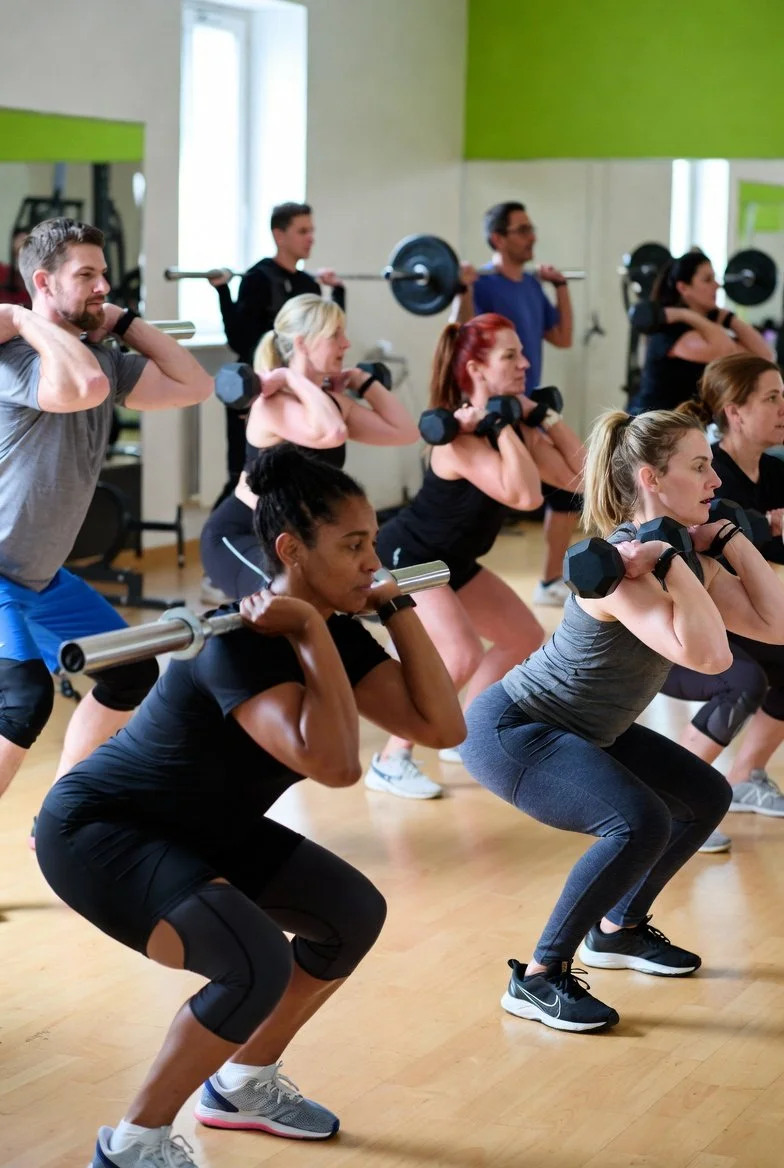
Load tolerance during squats, hinges, and carries
Relaxation as much as contraction
Sexual-function–specific motor control
Postural alignment and hip mobility
Generic “do Kegels” advice could worsen symptoms if tightness or poor coordination is the real issue.
Where this fits in the Torre Prime framework
Pelvic health spans multiple Torre Prime phases:
THE SENTINEL — early symptoms, sexual changes, continence clues
THE COMPASS — translating signals into targeted direction
THE TEMPLE — strength, stability, and movement integration
THE FLAME — sexual vitality, confidence, and connection
This isn’t niche care. It’s foundational care.
The long view: aging with agency
Longevity isn’t just about avoiding disease—it’s about preserving agency: moving freely, enjoying intimacy, controlling your body, and feeling at home in yourself as decades pass.
Pelvic health protects that agency.
If you want to be strong at 80, sexually engaged at 70, and confident in your body at every age in between, the pelvic floor cannot be an afterthought.