
What Insurance-Based Health Care Really Costs Over a Lifetime — And What Longevity Medicine Saves

South Florida has some of the highest insurance costs in the U.S. Learn how Torre Prime’s longevity medicine model helps prevent disease, reduce lifetime medical expenses, and extend healthspan through proactive, data-driven care. - By Gabriel Felsen

What Insurance-Based Health Care Really Costs Over a Lifetime — And What Longevity Medicine Saves

Introduction

Insurance-based care is built to treat disease, not prevent it. As Peter Attia describes in Outlive, the existing system is structurally optimized for reactive “Medicine 2.0” — waiting for illness, then treating it — rather than avoiding the Four Horsemen altogether (atherosclerosis, cancer, neurodegeneration, metabolic disease).

Longevity medicine, by contrast, shifts your lifetime trajectory.
Not with promises, not with guarantees — but with earlier diagnostics, deeper metabolic work, and daily behavior change that alters the slope of decline.

Here’s what the average person spends in an insurance-based model, what it buys, and how Torre Prime’s longevity approach reframes the entire cost equation.

The Lifetime Cost of Insurance-Based Medicine

Insurance Premiums: ~$6,000–$15,000 per year for decades

For most adults, insurance premiums cost $500–$1200/month, whether they use the system or not. Employers may cover a portion, but the out-of-pocket spending is still substantial.

Over 40 years, this becomes:

  • $240,000–$600,000 in premiums alone

  • Plus deductibles, co-pays, imaging fees, medications, ER visits, urgent care, and specialist consults

Insurance premiums are not health investments. They are risk pooling payments, not performance investments.

The Hidden Costs of Late Diagnosis

Most insurance-based care waits for disease to appear before paying attention.
This delay increases lifetime costs dramatically.

Examples:

  • Atherosclerosis often develops silently for 20–30 years before a heart attack. The first real “screening” is the heart attack itself.

  • Prediabetes and early insulin resistance usually go undetected for years, creating a path toward Type 2 diabetes.

  • Cognitive decline begins in midlife but is only recognized when it’s too late to reverse.

Late identification → more procedures → more medications → more expenses.

Lifelong Medication Stacking

Insurance-based care often leads to:

  • Statins

  • Blood pressure meds

  • Diabetes meds

  • Sleep meds

  • Anxiety/depression meds

  • Pain meds

  • Erectile dysfunction meds

  • Anti-inflammatory meds

A typical 60-year-old American is on 5–7 medications.
Over a lifetime, this can cost an additional $80,000–$150,000+, not counting emergency care from side effects or interactions.

High-Cost Events: Hospitalizations & Surgeries

Even with insurance, a single hospitalization or major surgery can cost:

  • $10,000–$40,000 out of pocket

  • Or substantially more depending on the deductible

Back surgery, knee replacement, stents, CABG, ER admissions for metabolic crises, and unplanned hospitalizations are among the largest lifetime cost drivers.

These events are often the result of chronic issues that were never prevented — because the system isn’t built to prevent, only to respond.

What Longevity Medicine Saves — Financially and Functionally

Torre Prime’s approach is built on Medicine 3.0 principles: assess early, treat root causes, and extend the healthspan rather than simply delaying disease.

Below is not a claim of guaranteed savings — but a description of the economic and functional shifts that occur when someone invests in proactive health versus reactive care.

Avoiding the Most Expensive Events in Medicine

The costliest medical events in America are:

  • Heart attacks

  • Strokes

  • Cancer treatments

  • Neurodegenerative care

  • Disability from metabolic disease

If a longevity strategy reduces the odds of even one major event, it often pays for the entire lifetime cost of membership.

A single ICU hospitalization can exceed $80,000.
Stroke recovery can cost $100,000–$200,000 in year one alone.
Cancer treatments often exceed $200,000+.

Prevention is financially superior to rescue.

Early Identification Cuts Costs by Decades

Insurance covers:

  • Basic bloodwork

  • Only age-based screening

  • Very limited metabolic monitoring

  • No mitochondrial assessments

  • No proactive hormone/strength/longevity-focused optimization

  • No CGM except for diabetes

  • No advanced lipid management unless disease is already present

Torre Prime includes:

  • ApoB-first lipid strategy

  • Lp(a) testing

  • hs-CRP

  • Zone 2 and VO2 targeting

  • Strength and stability progressions

  • Sleep structure optimized for Downstate recovery

  • Cancer screening hierarchy

  • Metabolic flexibility development

  • Nutrition tailored to protein, glucose response, and gut triggers

  • Cognitive protection protocols (Lighthouse)

When problems are caught early, interventions are cheaper and more effective.

Less Medication, Less Disability, More Working Years

Insurance-based care frequently leads to:

  • Polypharmacy

  • Cascading side effects

  • Reduced earning potential from illness

  • Reduced functional independence

Longevity medicine focuses on:

  • Reversing metabolic disease

  • Maintaining VO2max and functional strength

  • Preserving cognition

  • Sustaining hormones, sleep, and recovery

  • Avoiding disability for as long as possible

Functional health = economic health.

Better Healthspan = Lower Lifetime Costs

The most expensive years of life are the last 10–15 years.
If you extend healthy years — even without extending life — you reduce:

  • Nursing home costs

  • Chronic care support

  • Medication load

  • Hospitalizations

  • Surgeries

  • ER visits

  • Transportation limitations

  • Caregiver reliance

Even a modest compression of morbidity saves enormous resources.

This isn’t a guarantee — it’s an observed pattern across all of aging research.

The Bottom Line: What You Pay vs. What You Get

Insurance-Based Care

  • Pays for sickness

  • Rewards late intervention

  • Expensive in crisis

  • Does not include deep metabolic testing

  • Does not optimize longevity

  • Leads to progressive decline and increased lifetime costs

Total lifetime cost:
$300,000–$800,000+ out of pocket
(not including lost productivity, functional decline, or quality-of-life costs)

Torre Prime Longevity Programs

  • Proactive, data-driven, prevention-oriented

  • Strength-forward, protein-forward, metabolism-forward

  • Designed to prevent the four major cause of death and disease in the modern world

  • Built to reduce hospitalizations, surgeries, medications, and disability

Total lifetime investment:
A fraction of the reactive model
with returns measured in function, healthspan, fulfillment, and resilience.

You can’t outsource your health to an insurance company.
They are built to reimburse illness — not protect vitality.

Read More

Most Back Pain Doesn’t Need Surgery: The Torre Prime Guide to Real Recovery, Real Strength, and Real Longevity

Why therapy, precision-based exercise, and Stuart McGill–style spine science outperform quick fixes.

Back pain is one of the most common reasons people seek medical care. It’s also one of the most over-treated and poorly treated conditions in the modern medical system. Every year, more than a million Americans undergo spine surgeries—yet a significant percentage of these were never necessary and never address the root cause.

At Torre Prime, we see a different path forward. One rooted in longevity science, functional resilience, and what researchers like Stuart McGill have shown for decades:
Most back pain is mechanical, modifiable, and highly responsive to the right combination of coaching, movement, stabilization, and intelligent loading—not surgery, opioids, or endless MRIs. - Gabriel Felsen
Why therapy, precision-based exercise, and Stuart McGill–style spine science outperform quick fixes.

Back pain is one of the most common reasons people seek medical care. It’s also one of the most over-treated and poorly treated conditions in the modern medical system. Every year, more than a million Americans undergo spine surgeries—yet a significant percentage of these were never necessary and never address the root cause.

At Torre Prime, we see a different path forward. One rooted in longevity science, functional resilience, and what researchers like Stuart McGill have shown for decades:
Most back pain is mechanical, modifiable, and highly responsive to the right combination of coaching, movement, stabilization, and intelligent loading—not surgery, opioids, or endless MRIs.

The Problem With Insurance-Driven Back Pain Care

Traditional insurance-driven medicine creates a perfect storm:

1. Over-imaging → Over-diagnosis

MRI findings don’t correlate well with pain.
Disc bulges, mild degenerative changes, or annular tears show up in pain-free people every day. But once they’re on the report, fear escalates, surgeons get involved, and everything spirals.

2. Fast referrals to specialists who specialize in… surgery

If the only tool is a hammer, every problem looks like a nail.
Patients are rushed toward injections or surgery long before they’ve had targeted, evidence-based rehab.

3. Under-prescribed physical therapy

Insurance caps PT visits, pays poorly for long appointments, and often constrains therapists to “generic low-back pain protocols.”
True spine rehab requires precision, coaching, time, and individualization—not 8 minutes of Theraband exercises.

4. Painkillers instead of root-cause analysis

Opioids, muscle relaxers, and steroids can mask pain but rarely solve anything.

5. No one teaches the patient how to move

Most back pain is aggravated by everyday mechanics:

  • How you get out of a car

  • How you bend to tie a shoe

  • How you lift groceries

  • How you sit at work

These habits matter more than an MRI ever will.

Torre Prime was built to fix exactly these failures.

The McGill Model: The Gold Standard for Spine Longevity

Stuart McGill, PhD—arguably the world’s leader in spine biomechanics—has shown that most chronic back pain improves through:

1. Removing the painful triggers

Not with rest, but by identifying which movements cause the pain.

2. Rebuilding stability

The “Big 3” (McGill curl-up, side plank, bird dog) are foundational.
Not flashy, but incredibly effective.

3. Teaching spine-sparing movement patterns

Hip hinge
Neutral spine
Bracing
Power breathing
These are longevity tools.

4. Progressive loading and resilience

A spine that is strong, stable, and well-conditioned is a spine that lasts.

No surgery required.
No injections.
No unnecessary imaging.
Just science, coaching, and disciplined precision.

This is the essence of how Torre Prime approaches back pain within the broader longevity framework:
Build the body. Build capacity. Build resilience. Build the future.

Why Back Pain Is Different for Different People

A special section for Straight Men, GBQ Men, and Women

Back pain doesn’t show up in a vacuum. It interacts with lifestyle, culture, identity, expectations, and stress patterns. Torre Prime recognizes these nuances—because personalization is central to longevity.

For Straight Men: “Strength ≠ Ignoring Pain”

Many straight men have been conditioned to “tough it out,” ignore early symptoms, and push through mechanical flaws until something tears, spasms, or breaks.

Common patterns we see:

  • Weekend warrior injuries

  • Poor hip/ankle mobility from desk jobs

  • Heavy lifting with poor mechanics

  • Avoiding medical care until pain is severe

  • Belief that surgery is the “fix”

What they need:
A science-driven, ego-free approach that rewrites movement patterns, rebuilds true core strength, restores mobility, and gives them back confidence in their body without the “take a pill and go” culture.

At Torre Prime, we emphasize:

  • Performance-based spine health

  • Stability work as strength, not weakness

  • A long-term “decathlon mentality” over quick fixes

For GBQ Men: “Your Body Is Central to Your Identity—Protect It”

Many gay, bisexual, and queer men live in environments where physical expression, sexuality, aesthetics, and performance all intersect. Back pain affects:

  • Confidence

  • Sexual expression

  • Energy

  • Fitness identity

  • Emotional regulation

GBQ men also face unique stress pathways (Minority Stress Theory) that increase muscle tension, sleep disruption, and systemic inflammation—factors that amplify pain.

Common patterns we see:

  • Tight hip flexors/glutes from high-intensity training

  • Sedentary desk work + nightlife cycles

  • Stress-driven bracing patterns

  • Postural imbalances from aesthetic-driven training

  • Fear of losing physical capacity or sexual vitality

What they need:
A longevity-driven model that accounts for biomechanics, stress physiology, sexual health, and the cultural expectations placed on GBQ men’s bodies.

Torre Prime specializes in this—because this is your community’s space in the program.

For Women: “Back Pain Isn’t ‘All In Your Head’”

Women are too often dismissed or minimized in traditional medicine. Back pain is written off as:

  • Stress

  • Hormones

  • “Weak core”

  • “Just part of aging”

Women face unique contributors to back dysfunction:

  • Pelvic floor imbalances

  • Pregnancy-related changes

  • Hormonal shifts

  • Osteopenia/osteoporosis risk

  • Hypermobile joints

  • Undiagnosed sacroiliac dysfunction

What they need:
Precision assessment, not dismissal.
Strength development, not patronizing explanations.
A longevity program that honors how women’s bodies actually move, age, and adapt.

Torre Prime has now expanded to fully include women—and this is exactly why:
Women deserve more than the insurance-driven standard. They deserve science, respect, and results.

How Torre Prime Treats Back Pain Differently

1. Precision biomechanical evaluation

We assess patterns, not just pain.

2. A Stuart McGill–inspired stabilization program

Customized. Progressive. Measurable.

3. Movement-based diagnosis

We test what makes your pain better or worse—this guides everything.

4. Longevity principles

We integrate:

  • Zone 2 training

  • VO₂max development

  • Strength and stability protocols

  • Anti-inflammatory nutrition

  • Sleep optimization

  • Stress physiology

  • Recovery states (Downstate cycles)

5. High-touch care → No insurance limitations

Long appointments
Real coaching
Integrated training plans
Data-driven progress metrics
And yes—access to your physician whenever you need guidance.

The Truth

Most people don’t need back surgery.
They need:

  • Better movement

  • Better coaching

  • Better strength

  • Better recovery

  • Better long-term planning

They need a longevity framework, not a pain-management treadmill.

They need Torre Prime.

Read More
Gabriel Felsen Gabriel Felsen

What Straight Men Can Learn From Gay, Bisexual & Queer Men About Longevity

At Torre Prime, we’ve always had a special focus on gay, bisexual, and queer (GBQ) men—not because they age differently biologically, but because their lived experiences highlight what longevity truly requires: resilience, connection, self-awareness, adaptability, and intentional community.

These are qualities straight men can learn from in ways that profoundly improve their healthspan. - Gabriel Felsen MD

This isn’t about comparison. It’s about insight. When we look at the strengths GBQ men often develop—sometimes by necessity, sometimes by culture—they reveal a blueprint for living longer, healthier, and more connected lives. - Gabriel Felsen MD

Longevity medicine is not just about biomarkers, labs, and exercise prescriptions. It’s about how people actually live—their relationships, their identities, their habits, and the cultures that shape them.

At Torre Prime, we’ve always had a special focus on gay, bisexual, and queer (GBQ) men—not because they age differently biologically, but because their lived experiences highlight what longevity truly requires: resilience, connection, self-awareness, adaptability, and intentional community.

These are qualities straight men can learn from in ways that profoundly improve their healthspan.

This isn’t about comparison. It’s about insight. When we look at the strengths GBQ men often develop—sometimes by necessity, sometimes by culture—they reveal a blueprint for living longer, healthier, and more connected lives.

1. Emotional Literacy is a Longevity Tool

GBQ men often grow up needing to understand their emotions early. Self-awareness becomes survival.

Straight men, by contrast, are frequently socialized to restrict emotional expression, which can lead to:

• higher baseline cortisol
• fragmented sleep
• greater cardiovascular risk
• increased loneliness
• untreated depression or burnout

GBQ men often excel at naming feelings, processing rejection, and seeking emotional connection. These skills significantly support:

• autonomic regulation
• Downstate recovery
• cortisol stability
• relationship quality
• meaning, purpose, and identity alignment

Straight men who learn emotional literacy gain a powerful longevity advantage.

2. Chosen Family Is a Protective Health Factor

Many GBQ men cultivate chosen family—tight-knit, supportive networks not based on biology but on intention.

Chosen family provides:

• consistent social contact
• emotional buffering
• accountability
• shared daily rituals
• interdependence without pressure
• companionship that reduces chronic loneliness

Straight men often rely heavily on one partner or very small friend circles, which can create vulnerability if life circumstances shift.

Learning to build and maintain supportive friendships—outside of romantic partnerships—dramatically strengthens cognitive, emotional, and cardiovascular health across decades.

3. Body Awareness Without Shame

GBQ culture often encourages:

• attention to physical wellbeing
• aesthetics blended with function
• proactive sexual-health conversations
• early recognition of energetic, metabolic, or mood changes

While body-image pressure can cut both ways, it also encourages many GBQ men to seek care early, modify habits proactively, and talk openly about their bodies.

Straight men can benefit enormously from:

• noticing physical changes sooner
• discussing sexual health without embarrassment
• asking for help earlier
• rejecting shame-based avoidance patterns

Awareness is prevention.

4. Comfort With Identity Work

GBQ men usually go through identity development intentionally—questioning norms, reflecting on values, and finding authenticity.

This supports:

• stress resilience
• lower allostatic load
• greater self-regulation
• stronger sense of meaning

Straight men often reach midlife without having done this level of introspection.

Identity work reduces:

• midlife burnout
• emotional reactivity
• impulsive coping behaviors
• depressive cycles linked to stagnation

Self-understanding is a longevity strategy.

5. Communication Skills That Strengthen Relationships

GBQ men often learn communication the hard way—through coming out, navigating diverse relationships, or building community in the face of adversity.

Straight men can gain longevity benefits from similar practices:

• expressing needs clearly
• setting boundaries
• addressing conflict early
• building intimacy rather than defaulting to silence

Healthy communication improves:

• sleep
• mood
• relationship stability
• nervous system balance
• cardiovascular health

This is not psychology—it’s physiology.

6. Breaking Free From Rigid Masculinity Improves Health

Many GBQ men are less constrained by rigid masculine norms. This allows:

• wider emotional range
• less social pressure to “tough it out”
• earlier pursuit of medical care
• more collaborative decision-making
• openness to stress-reduction practices
• less stigma around wellness, aesthetics, and self-care practices

Straight men who let go of narrow masculinity expectations experience:

• lower autonomic tension
• less cardiovascular activation
• improved relationship satisfaction
• better sleep patterns
• reduced chronic inflammation

Longevity thrives in flexibility.

7. Open Dialogue About Sexual Health

GBQ men are generally more comfortable discussing:

• erection changes
• libido fluctuations
• sexual performance
• medication use
• STI prevention

This openness leads to earlier intervention, less shame, and better overall sexual vitality.

Straight men who adopt a similar level of openness gain:

• earlier detection of metabolic or vascular changes
• more confidence
• healthier long-term sexual function

Sexual health is often the first signal something deeper is happening.

8. Community-Based Wellness Culture

From chosen family to dance floors to Pride events to shared health advocacy, many GBQ men live in a culture that values:

• movement
• celebration
• collective resilience
• connection rituals
• curiosity about health and identity

Straight men benefit profoundly from adopting:

• regular communal activity
• shared physical practice
• social accountability
• celebration as stress relief
• connection as prevention

Longevity is not just an individual pursuit—it’s a community-based one.

9. Resilience Training Built Into Life Itself

Many GBQ men develop resilience through:

• navigating stigma
• managing visibility
• crafting identity
• building autonomy
• facing adversity
• learning to transform challenge into meaning

Straight men can draw from these strengths to improve:

• adaptability
• perspective-taking
• coping skills
• stress tolerance

Resilience is the quiet engine of long life.

Closing Message

Straight men don’t need to become someone else to live longer.
They simply need to integrate the strengths that GBQ men have honed: emotional depth, connection, care-seeking, self-awareness, and a willingness to build meaningful relationships.

Longevity isn’t biology alone.
It’s behavior, culture, identity, and community.

At Torre Prime, we expand longevity medicine to everyone—but the lessons from GBQ men remain central:
A long life is not only measured in years. It is measured in connection, clarity, and the courage to live fully.

Read More

Why Torre Prime Is Expanding to Include Women—And Why a Program With a Special Space for Gay, Bisexual & Queer Men Is Ideal for Women’s Longevity

Originally created with a specialized focus on gay, bisexual, and queer (GBQ) men, the demand from women has grown rapidly. Women have asked for a precision-based, emotionally intelligent longevity program that respects their physiology, their lived experiences, and their need for care that goes beyond templates. - Gabriel Felsen MD
For years, longevity medicine has been fragmented—traditional healthcare focuses on disease, while the wellness world focuses on quick fixes. Torre Prime was built to bridge that gap with a structured, data-driven program for deep, meaningful, lifelong health transformation.

Originally created with a specialized focus on gay, bisexual, and queer (GBQ) men, the demand from women has grown rapidly. Women have asked for a precision-based, emotionally intelligent longevity program that respects their physiology, their lived experiences, and their need for care that goes beyond templates.

That’s why Torre Prime is expanding.

And, perhaps surprisingly, the very reason Torre Prime works so well for GBQ men is exactly why it works so well for women.

Part 1: The Demand From Women Was Clear

Women who reached out to Torre Prime consistently expressed:

• frustration with rushed, superficial care
• exhaustion from navigating conflicting wellness advice
• the desire for personalized, physician-guided optimization
• interest in structured prevention rather than crisis intervention
• a need for care that respects stress, sleep, hormones, and emotional load
• the wish for non-judgmental, inclusive conversations about sexual and relational wellbeing

Women already recognized something unique about Torre Prime: a program built for a marginalized group often produces the most thoughtful, precise, human-centered medicine.

Part 2: Why a Program Built With a Special Space for GBQ Men Naturally Serves Women

This is the part that surprises people—but makes perfect sense.

A longevity program designed for GBQ men requires:

  1. Nuanced understanding of stress physiology.
    Minority stress, cortisol load, sleep fragmentation, and autonomic dysregulation—these are not exclusive to sexuality. Women experience them intensely across lifespan transitions, including caregiving, perimenopause, work inequities, and emotional labor.

  2. Deep respect for identity, body image, and emotional wellbeing.
    GBQ men often face culturally intense body-image pressures. Women live with similar—or greater—pressures. A program fluent in compassion and body neutrality is already years ahead.

  3. Precision hormone mapping and individualized care.
    GBQ men require thoughtful, non-cookie-cutter sexual-health and endocrine support. Women, especially perimenopausal and menopausal women, need the same depth of precision, not generic answers.

  4. An emphasis on connection, community, and relational health.
    GBQ men often navigate chosen family, shifting social networks, and community-based resilience. Women do this too—especially during midlife transitions and caregiving cycles.

  5. Safety, autonomy, and no-perfection pressure.
    Torre Prime’s culture already rejects shame-based or appearance-driven models. Women repeatedly cite relief at feeling seen, not judged, not pushed into a single aesthetic ideal.

In short:
A program designed with sensitivity, personalization, and community-awareness for one group becomes ideal for anyone who wants deeply human, highly competent medical care.

Part 3: Women Also Benefit From Torre Prime’s Strengths in Sexual, Emotional & Performance Medicine

Women often tell us they want:

• better energy
• better sleep
• better relationships
• more confidence
• better sexual functioning
• stable hormones
• less inflammation
• less emotional burnout
• longevity that respects meaning, identity, and purpose

When longevity medicine is practiced well, it becomes as much about identity and self-advocacy as it is about biomarkers. GBQ men understand that inherently; women resonate with it intuitively.

Part 4: The Structure of Torre Prime Makes This Expansion Natural

The Sentinel → Compass → Forge → Temple → Lighthouse → Mirror → Flame model is not gendered.
It is human.
Women recognized this immediately.

• Sentinel gives them advanced diagnostics often missing from standard care
• Compass helps them adapt quickly to life transitions
• Forge builds metabolic and strength resilience
• Temple supports cognition, meaning, and emotional health
• Lighthouse addresses long-term prevention
• Mirror integrates identity, relationships, and purpose
• Flame honors the drive to live powerfully, not passively

Women saw that this wasn’t a program to “fix” them.
It was a program to support their evolution.

Part 5: What Women Told Us They Wanted—and Why Torre Prime Fits

Women asked for:

• longer, deeper visits
• a physician who listens
• data explained without jargon
• longevity without fad diets or shaming
• metabolic clarity
• emotional safety
• a plan for perimenopause and menopause that isn’t dismissive
• guidance on strength and injury resilience
• help integrating relationships, sexuality, and identity
• a program that feels more like partnership than hierarchy

These are not afterthoughts at Torre Prime.
They’re the foundation.

Part 6: What Will the Expansion Look Like?

Torre Prime will now have:

• full longevity programs for men and women
• a dedicated path for gay, bisexual, and queer men
• program adjustments based on sex-specific physiology
• women-specific modules for perimenopause, menopause, and hormone mapping
• expanded sexual-health and relational wellbeing support for women
• no loss of depth or attention for any group
• no division—just personalization

Everyone receives the same high-level longevity medicine.
Each person receives the version that fits their physiology and identity.

Part 7: Why This Matters

Healthcare has long failed many groups—GBQ men, women, and anyone whose life doesn’t fit traditional models. Torre Prime was designed to correct that.

We’re expanding not because the vision changed, but because the vision was always larger than one demographic.

Longevity medicine is for everyone.
And when it’s built with compassion and intelligence, it becomes a home for those who need that most.

Closing Message

Women asked for a place like Torre Prime, and we listened.
A program that understands identity, stress, culture, intimacy, and physiology is not niche—it’s necessary.

Torre Prime now welcomes women fully.
And the specialized space created for gay, bisexual, and queer men remains, not as a limit, but as a model:
the more deeply you understand one community, the better you serve all people.

Read More

Longevity Medicine vs. Anti-Aging Aesthetics: What’s the Real Difference?

Most people who “want to look younger” aren’t actually chasing youth—they’re chasing vitality, confidence, and a sense of control over their health. But in today’s wellness landscape, two very different industries often get blended together: Longevity Medicine and Anti-Aging Aesthetics. - Gabriel Felsen MD
Why the Distinction Matters—for Everyone, and Especially for Gay, Bisexual & Queer Men

Most people who “want to look younger” aren’t actually chasing youth—they’re chasing vitality, confidence, and a sense of control over their health. But in today’s wellness landscape, two very different industries often get blended together: Longevity Medicine and Anti-Aging Aesthetics.

At Torre Prime, we work with all adults who want to live longer, stronger, and more connected lives—and we offer a dedicated space for gay, bisexual, and queer men who often face unique physiological and social stressors that mainstream healthcare rarely accounts for.
Understanding this difference isn’t just semantic—it changes what’s possible for your life, your healthspan, and your sense of agency.

Part 1: What Is Longevity Medicine?

Longevity medicine is evidence-based, preventive, deeply individualized medical care designed to:
• expand healthspan (the years lived disease-free)
• prevent the chronic diseases that drive most suffering
• preserve physical and cognitive function over decades
• optimize metabolic, hormonal, emotional, and social wellbeing
• add quality to your life—not just years

It follows a structured, physician-guided model similar to the Torre Prime approach:
Sentinel → Compass → Forge → Temple → Lighthouse → Mirror → Flame.
The focus is on assessment, precision diagnostics, and long-game planning.

Longevity medicine includes:
• Advanced labs and biomarker mapping
• Cancer-screening risk stratification
• ApoB-first lipid strategy and cardiovascular prevention
• Cognitive decline protection and Downstate recovery strategies
• Zone 2 and VO2max training
• Strength, power, and stability training (Centenarian Decathlon)
• Sleep architecture optimization
• Nutrition personalized by metabolic response
• Emotional health, relationships, and stress-load mapping
• Social connection design
• Hormone assessment and optimization only when appropriate

It’s built on measurable science and clear goals—not the fear of aging.

Part 2: What Is Anti-Aging Aesthetics?

Anti-aging aesthetics aims to modify appearance, not biology.
This includes:
• Botox, fillers, neuromodulators
• Laser treatments
• Peels, microneedling
• Surgical procedures
• Hair-removal or hair-restoration treatments
• Skin tightening and smoothing

These treatments can be confidence-enhancing, useful, and safe when done well. But they don’t address:
• metabolic dysfunction
• cardiovascular risk
• inflammatory pathways
• mitochondrial aging
• muscle loss
• cognitive decline
• sleep fragmentation
• social disconnection
• emotional burnout
• longevity-relevant hormone patterns

They treat surface phenotype, not root-cause physiology.

Part 3: Why the Confusion Happens

Most people know what Botox does.
Few people know their apoB, their zone 2 threshold, or what a CAC score actually predicts.

The aesthetic world is visible and immediate; longevity medicine is slower, quieter, and more transformative.
Both matter—but they serve different human needs.

At Torre Prime, we’re not anti-aesthetics. Aesthetic treatments make sense for many people. But they’re not a substitute for medical longevity.

Part 4: Why This Difference Matters Especially for Gay, Bisexual & Queer Men

This community often lives with:
• higher minority stress load
• elevated cortisol and autonomic imbalance
• higher rates of sleep fragmentation
• higher risk for metabolic and cardiovascular issues
• unique sexual-health patterns
• culturally driven body-image pressures
• high social emphasis on youthfulness
• community-driven appearance norms

Anti-aging aesthetics often becomes the first stop, when what’s truly needed is a deeper medical foundation.
Longevity medicine provides:
• metabolic resilience
• strength and joint protection
• heart-attack and stroke prevention
• cognitive and emotional stability
• sexual vitality over decades
• hormone pattern optimization when appropriate
• sustainable energy
• extended quality years

This is not about chasing youth—it’s about protecting the body you want to live in.

Part 5: How to Decide Which You Need

You might be a good fit for longevity medicine if you want to:
• feel stronger, clearer, more energetic
• prevent disease long before symptoms appear
• improve sleep, metabolic health, sexual vitality
• reduce inflammation and injury risk
• build a decades-long physical foundation
• enhance confidence from the inside out

You might be a good fit for aesthetic care if you want to:
• soften lines
• improve skin texture
• reshape or enhance specific features
• address visible signs of aging
• boost self-image through appearance-based change

Many people benefit from both, but the order matters:
Aesthetics layered on top of a healthy foundation looks better, lasts longer, and reduces risk.

Part 6: Why Torre Prime Focuses on Longevity First

Because no aesthetic treatment can compete with:
• well-regulated inflammation
• healthy mitochondria
• stable blood sugar
• strong muscle and powerful joints
• a resilient cardiovascular system
• deep structured sleep
• a nervous system not living in threat mode
• a life filled with connection and meaning

That’s why Torre Prime exists for everyone—with specialized expertise for gay, bi, and queer men who’ve historically been underserved in preventive medicine.

We don’t sell youth.
We teach you how to build a durable, vital, connected life.

Closing Message

Aesthetic medicine can enhance confidence.
Longevity medicine changes your life.

When these two worlds are understood clearly, you can choose the path—or the combination—that aligns with your long-term wellbeing.

If you want to explore where you fit, Torre Prime offers a welcoming, inclusive consultation space for anyone ready to build a healthier future.

Read More
Gabriel Felsen Gabriel Felsen

The Most Common Regrets Gay Men Have About Their Health in Their 50s

Many gay men reach their 50s wishing they had started caring for their metabolism, strength, sexual vitality, and emotional health sooner. In this article, Dr. Gabriel Felsen breaks down the most common regrets—and how modern longevity medicine can help you change your trajectory starting today.
When I meet gay men in their 50s—whether at my clinic, at community events, or in a telemedicine visit—there’s a pattern that appears so consistently it’s almost predictable.
A sense of “I wish I had started sooner.”

Not because they’ve done anything wrong, but because no one ever taught them how their body really works, what longevity actually means, or how gay men’s health differs from the general population.

Based on my clinical work, decades of lived community experience, longevity research, and many of the stories shared directly with me, here are the seven most common health regrets gay men express in their 50s—and more importantly, what you can do about them now.

1. “I wish I had taken my metabolism seriously earlier.”

Many gay men arrive in midlife feeling like their metabolism changed “overnight.”
It didn’t.
It was slowly drifting for decades.

The regret:
Not paying attention to abdominal fat, rising waist size, creeping blood sugar, or declining muscle mass until they suddenly mattered.

What this really reflects:

  • Untreated insulin resistance

  • Chronically elevated glucose swings

  • Loss of metabolic flexibility

  • Inconsistent protein intake

  • Lack of intentional strength training

What to do now:
A metabolic reset is absolutely possible in your 50s.
The tools are:

  • Continuous glucose monitoring (CGM)

  • Strength training 3–4 days/week

  • High-protein, low-sugar nutrition

  • Tracking waist circumference, not just weight

2. “I should have protected my brain earlier.”

Gay men disproportionately face chronic minority stress, sleep disruption, burnout, and cortisol dysregulation.

By the 50s, this shows up as:

  • Brain fog

  • Forgetfulness

  • Poor focus

  • Emotional reactivity

  • Decreased sleep quality

The regret:
Not treating the brain as a long-term investment.

The truth from modern longevity science:
Brain aging begins in our 40s.
APOE4 risk, sleep quality, metabolic health, and stress load all shape cognitive aging.

What to do now:

  • Prioritize sleep as a biological training zone

  • Reduce alcohol (and other things)

  • Train VO2 max, not just muscles

  • Optimize vitamin D, B12, Omega-3

  • Address loneliness and social isolation (huge for gay men)

3. “I wish I had kept my strength.”

By 50, most men have lost over 30% of their peak muscle mass unless they actively trained strength.

For gay men specifically:

  • Aesthetics often overshadow function in youth

  • Cardio is overemphasized

  • True strength training is often delayed until too late

The regret:
Not building the “muscle reserve” that determines how well you age after 60.

Medicine 3.0 reality:
Muscle is the most important organ of longevity.

What to do now:

  • Heavy strength training 2–3×/week

  • Grip, carry, squat, hinge, and pull

  • Track your centenarian decathlon movements

  • Protein target: 1g per lb of ideal body weight

4. “I wish I had protected my sexual vitality.”

Many gay men in their 50s tell me:
“I thought erectile changes were just part of aging.”

They’re not.

The regret:
Waiting until their 50s to address:

  • Erections

  • Testosterone changes

  • Performance anxiety

  • Dopamine-driven exhaustion

  • Porn desensitization

  • Partner misalignment

  • Shame-based avoidance of sexual healthcare

Gay sexual health is both physical and emotional.
Men often suffer silently, believing something is “wrong” with them.

What to do now:

  • Assess hormones (don’t guess)

  • Address metabolic health (huge for erections)

  • Manage performance anxiety and sleep

  • Consider Trimix, PDE5 inhibitors, or combination protocols

  • Treat sex as part of overall vitality—not a separate topic

5. “I wish I had addressed sleep decades ago.”

Gay men have higher rates of insomnia, inconsistent schedules, nightlife habits, and cortisol shifts related to chronic stress.

By your 50s, poor sleep accelerates:

  • Weight gain

  • Brain aging

  • Hypertension

  • Mood instability

  • Erectile dysfunction

The regret:
Not understanding that sleep is the most powerful longevity drug we have.

What to do now:

  • A consistent bedtime (10 PM is ideal)

  • Reduce blue light 2 hours before bed

  • Target 90 minutes of slow-wave sleep

  • Reduce alcohol and late-night eating

  • Prioritize parasympathetic recovery (Downstate)

6. “I wish I had gotten my screenings earlier.”

This one is huge.

Gay men often avoid—or are not guided toward—early screening for:

  • Colorectal cancer

  • Prostate cancer

  • Coronary calcium scores

  • ApoB and advanced lipid panels

  • Sleep apnea

  • Liver health

  • STI screening

  • HIV PrEP management

  • Bone density

The regret:
Assuming that “normal labs” mean optimal health.

What to do now:
Medicine 3.0 means testing early, testing deeply, and acting proactively—not reactively.

7. “I wish I hadn’t waited to build a support system.”

By age 50, many gay men discover an unexpected truth:

Longevity requires other people.

Yet:

  • Many lived portions of life in secrecy or shame

  • Many avoided forming deep community

  • Many lost friends to HIV

  • Many struggle with midlife dating or partnership

  • Many fear being alone as they age

The regret:
Not investing in emotional well-being and community sooner.

The truth:
Loneliness is as dangerous as smoking 15 cigarettes a day.

What to do now:

  • Rebuild chosen family

  • Create routine contact—weekly dinners, group chats, meet-ups

  • Practice vulnerability

  • Build friendships around shared health goals

  • Work with a longevity physician trained in mental and emotional health

Why These Regrets Matter—And Why They’re Not Fixed Destiny

Here’s the message I give every man who walks into Torre Prime:

Regret is information.
Not punishment.
Not fate.
Just information.

And when you use regret as data, not shame, you gain something incredibly rare in healthcare:

Control.

You can rewrite your 50s.
You can change your trajectory for your 60s.
And your 70s, 80s, and beyond can look radically different than your parents’ generation.

That’s the entire purpose of longevity medicine.

What Torre Prime Does for Gay Men in Their 40s and 50s

At Torre Prime, we treat gay men’s longevity as its own specialty.

Our framework includes:

  • Deep-dive metabolic testing

  • CGM-guided nutrition

  • Hormone and sexual vitality medicine

  • Sleep architecture optimization

  • The Centenarian Decathlon

  • Advanced labs (apoB, Lp(a), insulin, inflammatory markers)

  • Early cancer screening

  • Stress load analysis

  • Cognitive preservation

  • Emotional and relational health

  • Community-building strategies

Because gay men deserve health care that gets us—not just “tolerates” us.

You don’t have to wait until you’re 60 to start over.


You can start today.

Read More

The True Cost of Waiting: What Delaying Longevity Care Might Cost You in Your 40s and 50s

Gay men often spend years optimizing everything but their health. The real power move is starting longevity care before symptoms appear — because waiting costs more than you think. - Gabriel Felsen MD
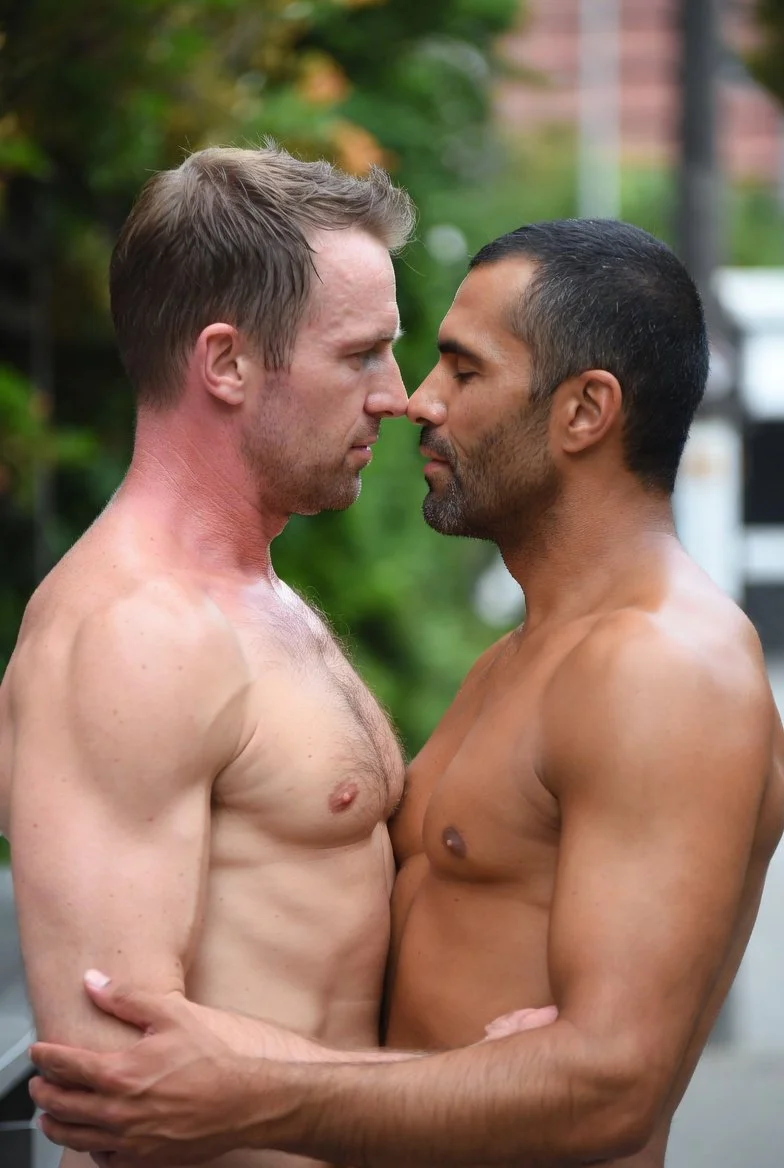
Most men tell themselves they’ll start taking health seriously “soon.” But soon often turns into later — and later can quietly steal years of vitality, strength, and confidence. At Torre Prime, we help men, especially gay and bisexual men, move from surviving to thriving by optimizing metabolism, hormones, strength, sleep, and purpose.

Because when you wait on longevity, you pay for it — in money, time, and freedom.

1. Waiting costs you energy and performance

After 40, testosterone, muscle mass, and recovery all decline about 1–2 % per year. For gay men, that can mean lower libido, slower recovery from workouts, less drive, and more fatigue — all of which can be mistaken for “just aging.” Longevity medicine helps reverse those trends before they become your new normal.

2. Waiting costs you healthspan

The real goal isn’t just to live longer — it’s to stay strong, sharp, and sexually alive longer. When you put off blood work, cardiovascular training, and hormone optimization, small metabolic changes (like rising ApoB, insulin, and body fat) silently build up risk for heart disease, diabetes, and cognitive decline.

Ten years of delay can mean ten fewer years of high-quality living.

3. Waiting costs you money

The Milken Institute estimates that poor metabolic health costs Americans more than $1 trillion each year in direct and indirect expenses. Preventive longevity care — labs, fitness, coaching, hormone optimization — costs a fraction of what managing chronic illness later will.

A simple comparison:

  • Investing about $5,000 per year in precision longevity care during your 40s – 50s can help prevent or delay major disease.

  • A single cardiac event, cancer treatment, or prolonged disability can easily exceed $100,000 in medical and lost-income costs.

Starting early isn’t expensive — waiting is.

4. Waiting costs you confidence and connection

In the gay community, health, body image, and vitality carry emotional weight. Feeling strong, focused, and sexually confident isn’t vanity — it’s alignment between your physical body and your sense of self. When you neglect your energy, hormones, or fitness, it doesn’t just affect your labs — it affects how you show up in relationships and in life.

The Torre Prime Approach

Our philosophy blends the science of Outlive, Good Energy, Forever Strong, and The Power of the Downstate:

  • Prevent the Four Horsemen — heart disease, cancer, metabolic dysfunction, and cognitive decline.

  • Build strength and stability so your body supports your desires and goals.

  • Honor recovery — because your downstate (sleep, parasympathetic balance, connection) is where the magic happens.

  • Embrace identity and purpose — because longevity without meaning isn’t living, it’s maintenance.

The Bottom Line

If you’re a gay man in your 40s or 50s, the most important investment you can make isn’t a supplement or gym membership — it’s time. Every year you delay building your longevity plan, the cost of catching up rises.

Start now. Get your baselines. Build strength. Optimize your recovery. Protect your hormones, heart, and brain.

Because the true cost of waiting isn’t what you spend on longevity care — it’s what you lose when you don’t.

Gabriel Felsen MD | Torre Prime | Longevity. Vitality. Connection.

Read More

Sexual Longevity: How Old Do You Want to Be When You Stop Having Sex?

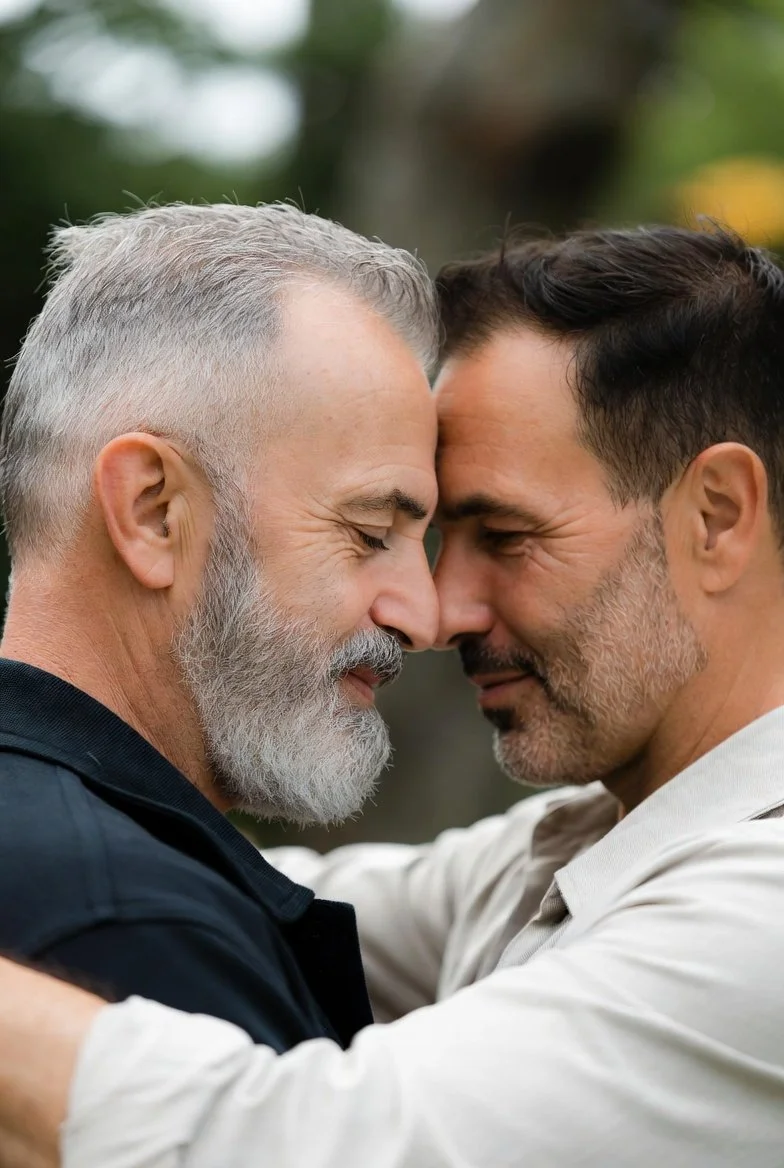
At Torre Prime, we see sexual longevity as a reflection of your body’s entire system — a signal that your hormones, heart, and purpose are in alignment. - Gabriel Felsen MD
The Question No One Asks

We measure blood pressure, cholesterol, and body fat.
But have you ever measured your desire?

At Torre Prime, we invite every client to reflect on one simple but powerful question:
“How old do you want to be when you stop having sex?”

Because the truth is — you don’t have to.

Sexual Vitality = Whole-Body Health

Your sexual energy is a barometer of your overall biology.
When libido fades or performance changes, it often signals deeper imbalances in:

  • Hormones

  • Metabolism

  • Sleep recovery

  • Cardiovascular and nervous system health

The same arteries that support erections also support your brain and heart.
Optimizing one strengthens the others.

The Science of Desire

Modern longevity medicine teaches us that desire isn’t just about testosterone — it’s about energy management.

When your nervous system is balanced, your metabolism is flexible, and your recovery is deep, your body naturally restores the chemistry of attraction and intimacy.

That’s why we approach sexual health through our full Seven Pillars of Vital Longevity, integrating data from labs, sleep trackers, fitness metrics, and cognitive assessments to reveal how well your entire system is performing.

The Torre Prime Perspective

We believe sexuality is not something to be “fixed” — it’s something to be preserved and cultivated.
Our goal isn’t to make you feel young again; it’s to help you stay fully alive through every decade.

At Torre Prime, your sexual health plan may include:

  • Advanced hormonal and metabolic panels

  • Nitric oxide optimization

  • Cognitive and nervous system resilience training

  • Strength, mobility, and sleep protocols

  • Relationship and purpose-centered coaching

Because the real goal is not more sex — it’s more life in your sex.

The Invitation

So ask yourself:
How old do you want to be when you stop having sex?

If your answer is “never,” you’re in the right place.
Because longevity isn’t about living longer — it’s about living turned on.

Gabriel Felsen MD | Torre Prime | Longevity. Vitality. Connection.

Read More

Connection Is Medicine: The Hidden Health Effects of Loneliness

At Torre Prime, we believe longevity is not about living forever — it’s about living fully. Science gives you the tools. Soul gives you the reason. - Gabriel Felsen MD

— Gabriel Felsen, MD

When was the last time you felt truly seen — not just in the room with others, but genuinely connected?

We live in one of the most socially connected times in history, yet loneliness and isolation were recently declared a national epidemic. And the truth is, it’s not just an emotional issue — it’s a biological one.

As a longevity physician, I see this every day. People ask about supplements, hormones, and bloodwork. But when we dig deeper, what’s missing isn’t magnesium or testosterone — it’s connection.

Loneliness, it turns out, is as dangerous to your health as smoking 15 cigarettes a day.

Loneliness vs. Social Isolation: What’s the Difference?

These words get used interchangeably, but they’re not the same thing.

  • Social Isolation is the objective lack of contact with others — living alone, few friends, or infrequent interactions.

  • Loneliness is the subjective feeling of disconnection — that sense of being unseen or misunderstood, even in a crowd.

You can have hundreds of contacts and still feel lonely, or live alone and feel completely fulfilled. The difference lies in meaningful connection — being known, accepted, and valued for who you really are.

The Biology of Disconnection

When we feel lonely, our body reacts as if we’re in danger. It’s an ancient survival mechanism — isolation once meant vulnerability.

That means loneliness triggers the stress response:

  • Elevated cortisol, raising blood pressure and inflammation.

  • Suppressed immune function, making you more likely to get sick.

  • Disrupted sleep cycles, robbing the brain of restorative deep rest.

  • Even shorter telomeres — the protective caps on your DNA that shrink as you age.

Over time, chronic isolation increases your risk for:

  • Heart disease and stroke

  • Dementia and cognitive decline

  • Depression and anxiety

  • Premature mortality

In short: loneliness accelerates aging.

When we talk about longevity, we often focus on diet, exercise, or supplements. But connection is the original longevity medicine — it lowers inflammation, boosts immunity, and restores nervous system balance.

The Intersection of Chronic Illness, HIV, and Depression

For many in our community, loneliness is compounded by chronic illness and stigma.

HIV, for example, carries unique emotional weight. The ongoing need for disclosure, fear of judgment, and fatigue from long-term care can deepen isolation — even in people with strong medical support. Yet research shows that social connection improves medication adherence and even immune function among people living with HIV.

Depression works the same way — it both causes and worsens loneliness. The brain literally processes emotional pain through the same regions as physical pain. That’s why rejection or disconnection can feel like a punch to the gut.

And for LGBTQ+ individuals, minority stress — the chronic strain of navigating stigma, discrimination, or invisibility — takes a measurable toll on both mental and physical health. Many of us find belonging through chosen family, but when those bonds shift through aging, relocation, or loss, the risk of isolation increases again.

How to Recognize the Warning Signs

Loneliness doesn’t always look like sadness. Often, it shows up as fatigue, irritability, or self-neglect.

Common risk factors include:

  • Living alone or losing a partner

  • Retirement or loss of daily structure

  • Chronic illness or physical limitations

  • Major life transitions (divorce, relocation, coming out later in life)

And warning signs can be subtle:

  • Skipping social gatherings

  • Neglecting appearance or hygiene

  • Expressing feelings of hopelessness or being “invisible”

  • Spending hours online without real contact

If you recognize these in yourself or someone you love, it’s not a weakness — it’s a signal. The body is asking for connection.

Connection as a Longevity Prescription

The antidote to loneliness isn’t just “getting out more.” It’s rebuilding your body’s capacity for connection — physically, emotionally, and spiritually.

Here’s where I start with patients:

1. Reset your nervous system.
Rest and recovery aren’t indulgent — they’re essential. Deep sleep, time in nature, and slowing down all help your body re-enter what sleep expert Sara Mednick calls the Downstate — the healing mode where connection becomes possible again.

2. Anchor yourself with rituals of connection.
Have a weekly dinner, join a walking group, volunteer, or start attending community events. Rituals build rhythm — and rhythm builds belonging.

3. Aim for one genuine connection per day.
A real conversation. A phone call. Eye contact with someone at the café. These micro-moments of presence stimulate oxytocin, the hormone of trust and safety.

4. Seek professional or peer support when needed.
Therapy, support groups, and telehealth check-ins are valid medical interventions. For LGBTQ+ adults, spaces like the Pride Center at Equality Park, SAGE, or peer HIV navigator programs offer structured ways to reconnect.

5. Reframe loneliness as biology — not failure.
Feeling lonely doesn’t mean you’re broken; it means your system is sending a survival signal. You are wired to belong.

Connection Is Medicine

Loneliness isn’t cured by willpower — it’s healed through relationship.

When you reconnect — with people, purpose, and community — you shift your body back into balance. Your hormones, immune system, and heart all respond.

So as you think about your own health this week, ask yourself:
Who will I reach out to — not out of obligation, but out of care?

Because connection is medicine. And every meaningful interaction is a dose that helps you live longer, stronger, and more fully alive.

Local Resources:

Dr. Gabe Felsen
Men’s Longevity and Vitality Physician
Torre Prime — Start Strong, Rise Higher.

Read More