Protein, Longevity, and the Red Meat Myth

Protein, Longevity, and the Red Meat Myth

Why adequate protein—yes, including thoughtfully chosen red meat—is foundational to aging strong

The protein problem no one talks about

Most adults—especially after 40—are under-consuming protein relative to what their bodies need to maintain muscle, bone, metabolic health, and cognitive resilience. This gap quietly accelerates frailty, insulin resistance, and loss of independence long before disease shows up on a chart.

At Torre Prime, we see protein not as a “macro,” but as infrastructure: the raw material for muscle, enzymes, neurotransmitters, immune cells, and recovery.

Why adequate protein—yes, including thoughtfully chosen red meat—is foundational to aging strong

The protein problem no one talks about

Most adults—especially after 40—are under-consuming protein relative to what their bodies need to maintain muscle, bone, metabolic health, and cognitive resilience. This gap quietly accelerates frailty, insulin resistance, and loss of independence long before disease shows up on a chart.

At Torre Prime, we see protein not as a “macro,” but as infrastructure: the raw material for muscle, enzymes, neurotransmitters, immune cells, and recovery.

Protein is a longevity nutrient

Adequate protein intake supports nearly every pillar of long-term health:

  • Muscle mass & strength
    Muscle is a metabolic organ. Preserving it improves glucose control, balance, and injury resistance—and reduces all-cause mortality risk.

  • Bone density & fall prevention
    Protein supports bone remodeling and works synergistically with resistance training to reduce fracture risk.

  • Metabolic health
    Higher-protein diets improve satiety, stabilize blood sugar, and support fat loss while preserving lean mass.

  • Cognitive & immune function
    Amino acids are precursors for neurotransmitters and antibodies—critical as immune and cognitive resilience naturally decline with age.

Longevity takeaway: If you want to live longer and live better, protein is non-negotiable.

Why red meat became the villain

Red meat has been blamed for heart disease, cancer, and early death—but much of this narrative comes from observational data that fails to separate:

  • ultra-processed meats from whole cuts

  • sedentary, low-fiber diets from nutrient-dense patterns

  • smoking, poor sleep, and metabolic disease from meat intake itself

When these factors are controlled, the story changes.

What the evidence actually suggests

Whole, unprocessed red meat—consumed in appropriate portions and within a nutrient-dense diet—does not show the same risks attributed to processed meats.

Red meat provides:

  • Complete protein with high leucine content (key for muscle protein synthesis)

  • Highly bioavailable iron (heme iron)

  • Zinc, B12, selenium, and creatine, all critical for energy, cognition, and muscle performance

In older adults especially, these nutrients are harder to absorb from plant sources alone.

Processed vs. unprocessed: the real distinction

The risk signal consistently points to processed meats:

  • hot dogs

  • deli meats

  • sausages with preservatives

  • smoked or sugar-cured products

These often contain:

  • nitrates/nitrites

  • oxidized fats

  • added sugars

  • inflammatory seed oils

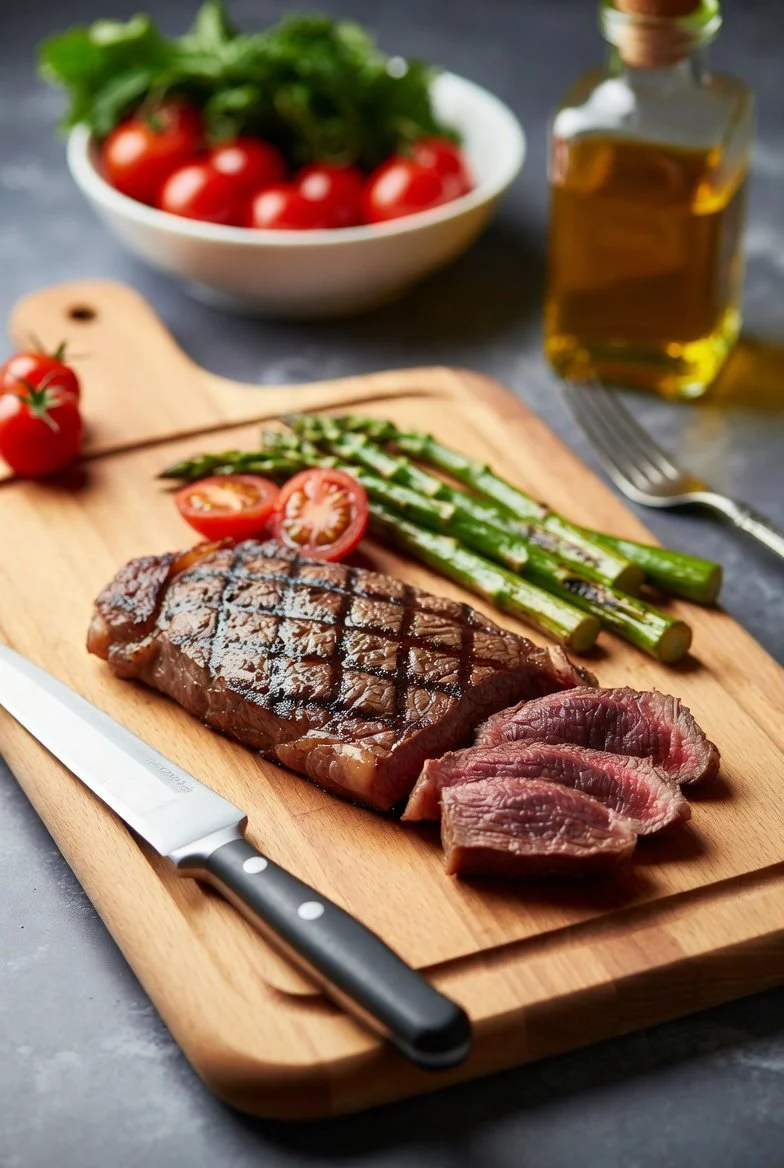
This is not the same thing as a grass-fed steak, slow-cooked chuck roast, or lean ground beef prepared at home.

How protein fits into a longevity framework

At Torre Prime, we align protein intake with your physiology, activity level, and goals:

  • Target intake: commonly ~1.6–2.2 g/kg/day for active adults (individualized)

  • Distribution: evenly spaced doses to stimulate muscle protein synthesis

  • Quality first: whole foods over powders when possible

  • Context matters: paired with resistance training, sleep optimization, and metabolic health

Protein restriction may make sense in narrow clinical contexts—but chronic low protein is a fast track to frailty.

A smarter way to include red meat

Red meat can be longevity-friendly when you:

  • choose unprocessed cuts

  • prioritize grass-fed or pasture-raised

  • cook with low-oxidation methods (braising, sous-vide, gentle grilling)

  • balance with fiber-rich plants, micronutrients, and movement

This isn’t about eating steak every night—it’s about using the right tools for the job of aging well.

The bottom line

The real risk to longevity isn’t red meat—it’s muscle loss, metabolic dysfunction, and under-fueling your body as you age.

Protein—animal and plant—supports strength, cognition, resilience, and independence. Red meat, when chosen wisely and eaten intentionally, can be part of a long, healthy life.

Longevity isn’t about fear. It’s about precision.

Read More