
Sexual Longevity: How Old Do You Want to Be When You Stop Having Sex?
At Torre Prime, we see sexual longevity as a reflection of your body’s entire system — a signal that your hormones, heart, and purpose are in alignment. - Gabriel Felsen MD
The Question No One Asks
We measure blood pressure, cholesterol, and body fat.
But have you ever measured your desire?
At Torre Prime, we invite every client to reflect on one simple but powerful question:
“How old do you want to be when you stop having sex?”
Because the truth is — you don’t have to.
Sexual Vitality = Whole-Body Health
Your sexual energy is a barometer of your overall biology.
When libido fades or performance changes, it often signals deeper imbalances in:
Hormones
Metabolism
Sleep recovery
Cardiovascular and nervous system health
The same arteries that support erections also support your brain and heart.
Optimizing one strengthens the others.
The Science of Desire
Modern longevity medicine teaches us that desire isn’t just about testosterone — it’s about energy management.
When your nervous system is balanced, your metabolism is flexible, and your recovery is deep, your body naturally restores the chemistry of attraction and intimacy.
That’s why we approach sexual health through our full Seven Pillars of Vital Longevity, integrating data from labs, sleep trackers, fitness metrics, and cognitive assessments to reveal how well your entire system is performing.
The Torre Prime Perspective
We believe sexuality is not something to be “fixed” — it’s something to be preserved and cultivated.
Our goal isn’t to make you feel young again; it’s to help you stay fully alive through every decade.
At Torre Prime, your sexual health plan may include:
Advanced hormonal and metabolic panels
Nitric oxide optimization
Cognitive and nervous system resilience training
Strength, mobility, and sleep protocols
Relationship and purpose-centered coaching
Because the real goal is not more sex — it’s more life in your sex.
The Invitation
So ask yourself:
How old do you want to be when you stop having sex?
If your answer is “never,” you’re in the right place.
Because longevity isn’t about living longer — it’s about living turned on.
Gabriel Felsen MD | Torre Prime | Longevity. Vitality. Connection.
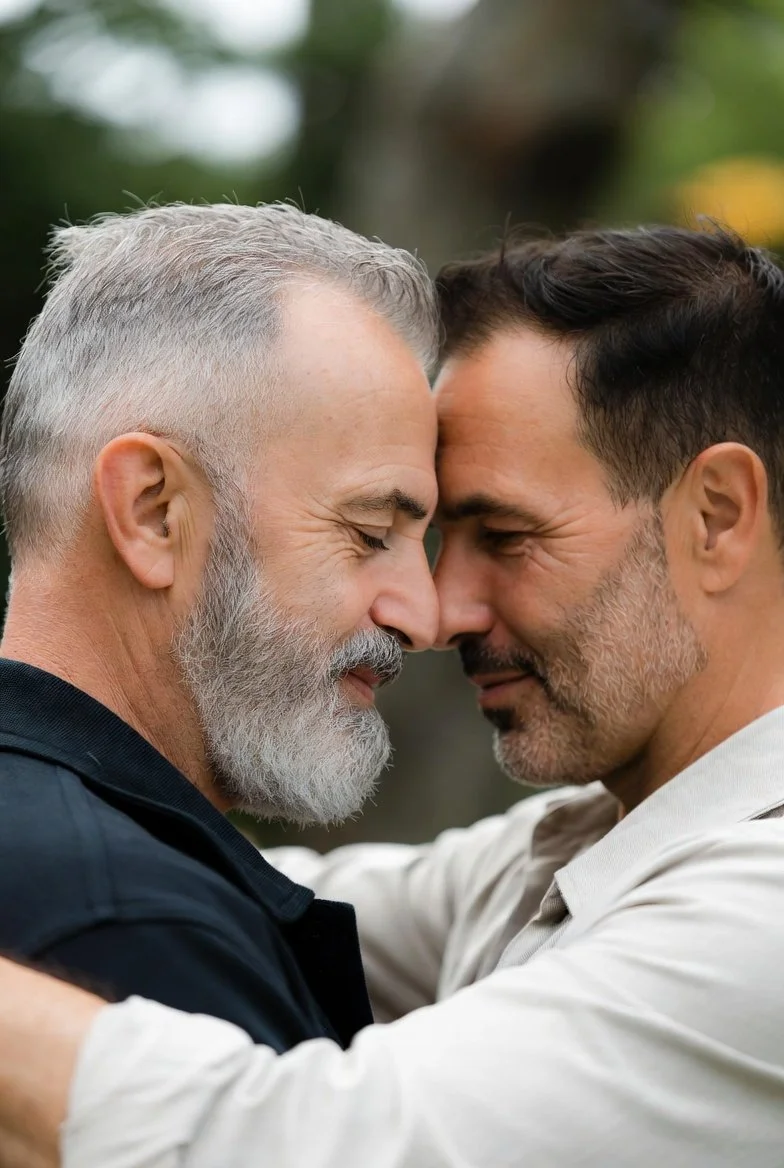
Connection Is Medicine: The Hidden Health Effects of Loneliness
At Torre Prime, we believe longevity is not about living forever — it’s about living fully. Science gives you the tools. Soul gives you the reason. - Gabriel Felsen MD
— Gabriel Felsen, MD
When was the last time you felt truly seen — not just in the room with others, but genuinely connected?
We live in one of the most socially connected times in history, yet loneliness and isolation were recently declared a national epidemic. And the truth is, it’s not just an emotional issue — it’s a biological one.
As a longevity physician, I see this every day. People ask about supplements, hormones, and bloodwork. But when we dig deeper, what’s missing isn’t magnesium or testosterone — it’s connection.
Loneliness, it turns out, is as dangerous to your health as smoking 15 cigarettes a day.
Loneliness vs. Social Isolation: What’s the Difference?
These words get used interchangeably, but they’re not the same thing.
Social Isolation is the objective lack of contact with others — living alone, few friends, or infrequent interactions.
Loneliness is the subjective feeling of disconnection — that sense of being unseen or misunderstood, even in a crowd.
You can have hundreds of contacts and still feel lonely, or live alone and feel completely fulfilled. The difference lies in meaningful connection — being known, accepted, and valued for who you really are.
The Biology of Disconnection
When we feel lonely, our body reacts as if we’re in danger. It’s an ancient survival mechanism — isolation once meant vulnerability.
That means loneliness triggers the stress response:
Elevated cortisol, raising blood pressure and inflammation.
Suppressed immune function, making you more likely to get sick.
Disrupted sleep cycles, robbing the brain of restorative deep rest.
Even shorter telomeres — the protective caps on your DNA that shrink as you age.
Over time, chronic isolation increases your risk for:
Heart disease and stroke
Dementia and cognitive decline
Depression and anxiety
Premature mortality
In short: loneliness accelerates aging.
When we talk about longevity, we often focus on diet, exercise, or supplements. But connection is the original longevity medicine — it lowers inflammation, boosts immunity, and restores nervous system balance.
The Intersection of Chronic Illness, HIV, and Depression
For many in our community, loneliness is compounded by chronic illness and stigma.
HIV, for example, carries unique emotional weight. The ongoing need for disclosure, fear of judgment, and fatigue from long-term care can deepen isolation — even in people with strong medical support. Yet research shows that social connection improves medication adherence and even immune function among people living with HIV.
Depression works the same way — it both causes and worsens loneliness. The brain literally processes emotional pain through the same regions as physical pain. That’s why rejection or disconnection can feel like a punch to the gut.
And for LGBTQ+ individuals, minority stress — the chronic strain of navigating stigma, discrimination, or invisibility — takes a measurable toll on both mental and physical health. Many of us find belonging through chosen family, but when those bonds shift through aging, relocation, or loss, the risk of isolation increases again.
How to Recognize the Warning Signs
Loneliness doesn’t always look like sadness. Often, it shows up as fatigue, irritability, or self-neglect.
Common risk factors include:
Living alone or losing a partner
Retirement or loss of daily structure
Chronic illness or physical limitations
Major life transitions (divorce, relocation, coming out later in life)
And warning signs can be subtle:
Skipping social gatherings
Neglecting appearance or hygiene
Expressing feelings of hopelessness or being “invisible”
Spending hours online without real contact
If you recognize these in yourself or someone you love, it’s not a weakness — it’s a signal. The body is asking for connection.
Connection as a Longevity Prescription
The antidote to loneliness isn’t just “getting out more.” It’s rebuilding your body’s capacity for connection — physically, emotionally, and spiritually.
Here’s where I start with patients:
1. Reset your nervous system.
Rest and recovery aren’t indulgent — they’re essential. Deep sleep, time in nature, and slowing down all help your body re-enter what sleep expert Sara Mednick calls the Downstate — the healing mode where connection becomes possible again.
2. Anchor yourself with rituals of connection.
Have a weekly dinner, join a walking group, volunteer, or start attending community events. Rituals build rhythm — and rhythm builds belonging.
3. Aim for one genuine connection per day.
A real conversation. A phone call. Eye contact with someone at the café. These micro-moments of presence stimulate oxytocin, the hormone of trust and safety.
4. Seek professional or peer support when needed.
Therapy, support groups, and telehealth check-ins are valid medical interventions. For LGBTQ+ adults, spaces like the Pride Center at Equality Park, SAGE, or peer HIV navigator programs offer structured ways to reconnect.
5. Reframe loneliness as biology — not failure.
Feeling lonely doesn’t mean you’re broken; it means your system is sending a survival signal. You are wired to belong.
Connection Is Medicine
Loneliness isn’t cured by willpower — it’s healed through relationship.
When you reconnect — with people, purpose, and community — you shift your body back into balance. Your hormones, immune system, and heart all respond.
So as you think about your own health this week, ask yourself:
Who will I reach out to — not out of obligation, but out of care?
Because connection is medicine. And every meaningful interaction is a dose that helps you live longer, stronger, and more fully alive.
Local Resources:
The Pride Center at Equality Park — social and support groups for all ages and identities
SAGE South Florida — community and programs for LGBTQ+ older adults
NAMI Broward County — mental health support groups
Torre Prime Longevity — integrative care focused on longevity, vitality, connection, and purpose
Dr. Gabe Felsen
Men’s Longevity and Vitality Physician
Torre Prime — Start Strong, Rise Higher.